AI Basement Designer - Transform Unfinished Basements into Livable Space (2026)
Article Contents
- Why Basements Are Gold Mines (That Most People Waste)
- What AI Basement Design Actually Does
- Most Popular Basement Conversions (AI Can Design All of These)
- Home Theater / Entertainment Room
- Home Gym / Fitness Studio
- Additional Bedroom Suite
- Home Office / Studio
- Recreation Room / Game Room
- In-Law Suite / Rental Unit
- Basement Design Challenges AI Helps Solve
- Challenge One: Low Ceilings
- Challenge Two: Limited Natural Light
- Challenge Three: Moisture and Water Concerns
- Challenge Four: Awkward Structural Elements
- Challenge Five: Sound Transfer
- How to Use AI for Your Basement Design
- Step One: Document Current Conditions
- Step Two: Upload and Specify Use
- Step Three: Generate Multiple Options
- Step Four: Share With Contractors
- Basement Finishing Costs (What to Expect)
- Basic Finish: Eight Thousand to Twenty-Five Thousand Dollars
- Mid-Range Finish: Twenty-Five Thousand to Fifty Thousand Dollars
- High-End Finish: Fifty Thousand to One Hundred Thousand Plus
- Transform Your Wasted Basement Today
- Your Action Plan:
- Related Basement Design Resources
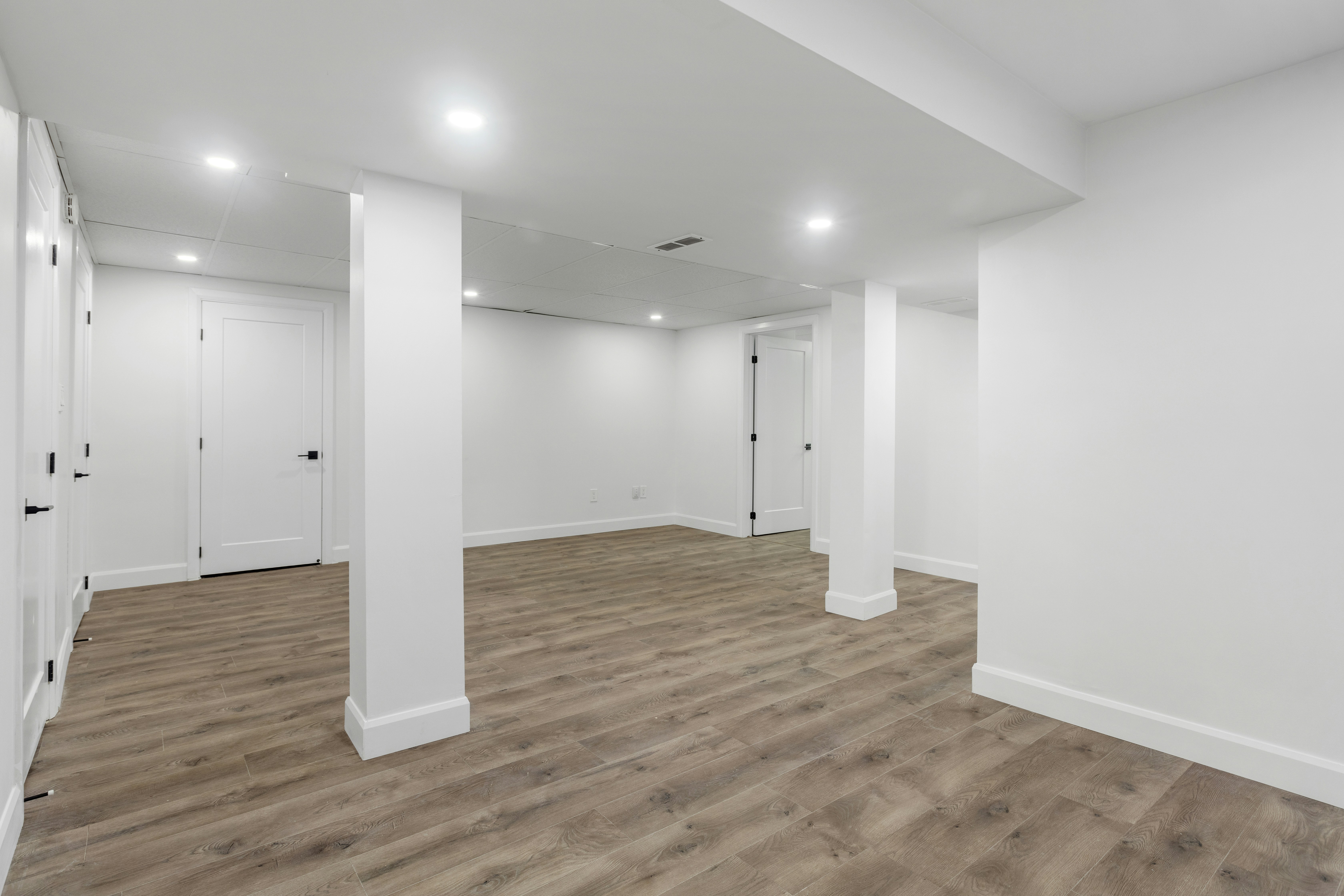
The Challenge: Before
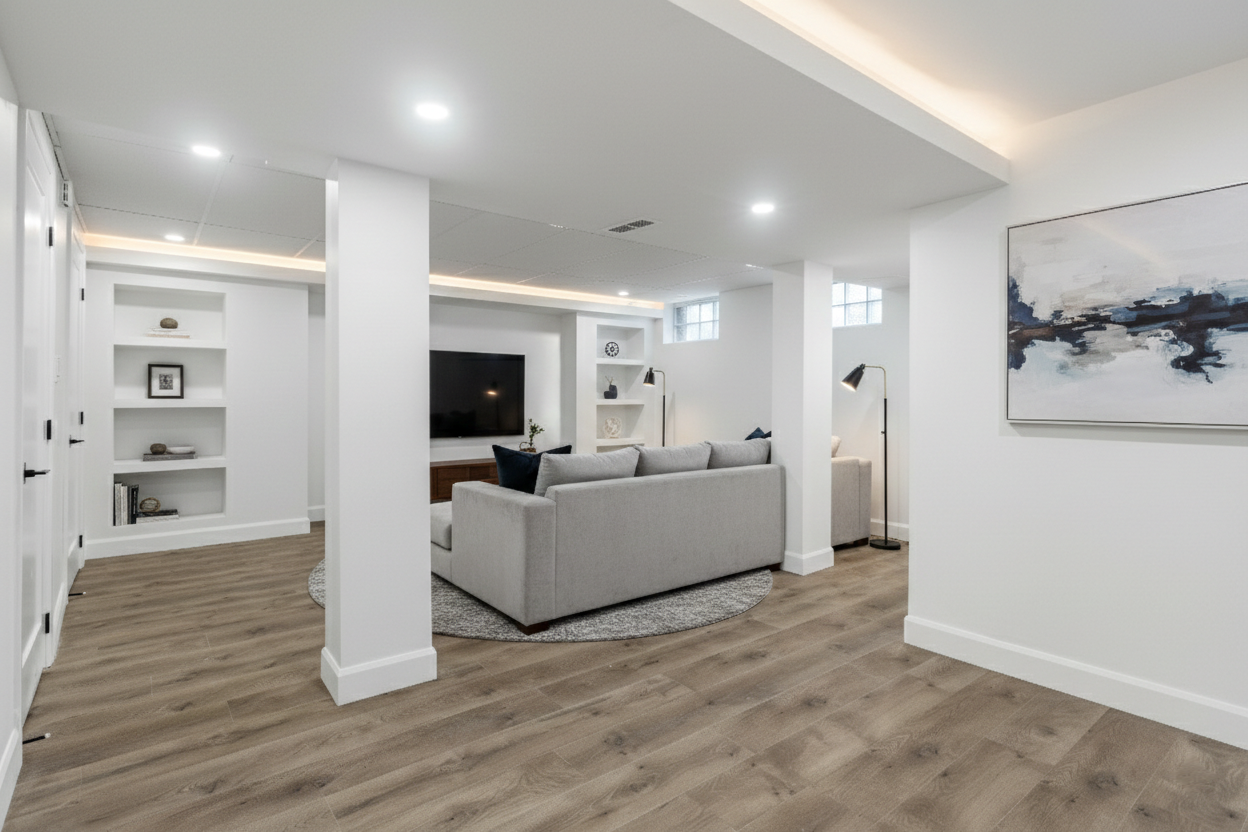
The Transformation: After (AI Generated)
AI Basement Designer - Transform Unfinished Basements into Livable Space (2026)
Your basement is probably the largest unused space in your home. Most homeowners treat it as a dumping ground for storage boxes, old furniture, and forgotten Christmas decorations. But that concrete cave represents hundreds of square feet of potential living space that could add $30,000-$60,000 to your home's value. AI basement designers show you exactly what's possible before you spend a dollar on contractors.
Why Basements Are Gold Mines (That Most People Waste)
The average American basement is 800-1,200 square feet of wasted potential. That's roughly the size of a two-bedroom apartment. If you were paying rent for that much space, it would cost $1,500-$2,500 per month in most markets. Yet homeowners use it to store $200 worth of junk they haven't touched in five years.
The problem isn't that people don't want to finish their basements. Everyone dreams about the home theater, the gym, the extra bedroom, or the man cave. The problem is that basements are intimidating. They're dark, cold, and ugly. It's hard to imagine what they could become when you're standing in a concrete box with exposed pipes and dim lighting. That's where AI design completely changes the game.
Traditional basement design requires hiring an architect or designer to create renderings that cost $2,000-$5,000 just for the concepts. Most people skip this step and go straight to contractors, who give wildly different bids because everyone's imagining something different. AI basement designers eliminate this confusion by showing you photorealistic transformations in thirty seconds, helping you nail down exactly what you want before talking to a single contractor.
What AI Basement Design Actually Does
AI basement designers don't just slap some furniture into your space and call it done. The technology analyzes your basement's specific constraints and opportunities. It understands that basements have unique challenges that don't exist in above-ground rooms. Low ceilings, small windows, concrete walls, exposed utilities, awkward columns, and moisture concerns all factor into what's actually buildable versus what's just a pretty picture.
When you upload a photo of your unfinished basement, AI processes the structural elements that can't be moved. Those support columns aren't going anywhere. That furnace needs to stay accessible. The ceiling height is what it is. Within these constraints, the AI generates designs that maximize every square foot while maintaining building code compliance and practical functionality. It shows you where walls should go to create rooms, how to hide ugly necessities like HVAC equipment, and where to position furniture for optimal flow and comfort.
The real power comes from seeing multiple design directions quickly. Want to compare a home theater setup versus a two-bedroom apartment conversion? Generate both in five minutes instead of spending weeks going back and forth with designers. Testing ideas is free and instant, which means you can explore options you might never have considered if each iteration cost thousands of dollars.
See Your Basement Transformed
Upload your unfinished basement photo and get 2 free AI designs showing what's possible. Home theater, gym, bedroom, office - see it all.
Most Popular Basement Conversions (AI Can Design All of These)
Home Theater / Entertainment Room
Basements make perfect home theaters because they're naturally dark and separated from the rest of the house. You can watch movies at full volume without disturbing bedrooms above. The challenge is making a concrete box feel like a cozy theater rather than a cold basement. AI shows you how to position seating for optimal viewing angles, where to place the screen for proper distance, and how tiered seating works in your specific ceiling height. It demonstrates acoustic panel placement for better sound, suggests bar or snack station locations, and shows how different lighting schemes create ambiance without screen glare.
The typical home theater conversion costs between fifteen thousand and forty thousand dollars depending on quality of equipment and finishes. Most of that budget goes into framing walls, installing proper electrical for all the equipment, acoustic treatment, comfortable seating, and the screen and sound system. AI helps you visualize whether you want theater-style tiered seating or a more casual sectional sofa arrangement, how much space you need for walkways, and whether adding a small bar or kitchenette makes sense in your layout.
One consideration AI helps clarify is whether you want a dedicated theater room or a multi-purpose media room. Dedicated theaters are completely light-controlled with dark walls and no windows, creating that authentic cinema experience. Multi-purpose media rooms maintain some natural light, use lighter colors, and function as general hangout spaces when not watching movies. Seeing both options designed in your actual space helps you decide which lifestyle fits better.
Home Gym / Fitness Studio
Converting a basement into a home gym is one of the most practical and cost-effective basement projects. Equipment is heavy and belongs on a concrete slab anyway. The space doesn't need expensive finishes since you'll be sweating all over it. Most importantly, you'll actually use it because it's in your house instead of requiring a drive to a crowded commercial gym.
AI basement designers show you optimal equipment layout based on what you want to include. Cardio equipment needs to face something interesting, not a blank wall. Weight racks need proper clearance on all sides for safety. If you're including a stretching or yoga area, that needs defined space away from heavy equipment. The AI considers ceiling height for exercises like pull-ups or medicine ball slams, suggests mirror placement for form checking, and shows where to position TVs or monitors for entertainment during workouts.
A basic basement gym conversion runs five thousand to twelve thousand dollars covering flooring suitable for dropped weights, adequate lighting, ventilation to handle sweat and heat, electrical outlets for equipment, and potentially a small bathroom or shower if budget allows. More elaborate setups with custom equipment, saunas, or recovery zones can reach thirty thousand plus. The AI helps you prioritize what matters most in your specific space and budget reality.
Additional Bedroom Suite
Adding a basement bedroom increases home value more than any other basement conversion. An extra bedroom means your home appeals to larger families and provides flexibility for guests, teenagers wanting independence, or adult children returning home. The challenge is making below-ground bedrooms feel comfortable rather than cave-like, which requires thoughtful design attention to lighting, egress windows, and moisture control.
Building codes require bedroom windows to meet specific size requirements for emergency egress. This typically means installing an egress window well if your basement doesn't have above-ground windows. AI designs account for this by showing where egress windows fit your foundation layout and how to maximize natural light even in partially below-grade situations. The technology demonstrates furniture placement that works with awkward window positions, suggests closet locations that meet code requirements for what legally counts as a bedroom, and shows how to create private bathroom access if desired.
Basement bedroom suites typically cost twenty-five thousand to fifty thousand dollars for full finishing including egress window installation, proper electrical and HVAC, moisture protection, flooring, and bathroom addition. Higher-end projects with luxury finishes or complex layouts can exceed seventy-five thousand dollars. The significant investment makes sense when you consider it often adds fifty thousand to eighty thousand dollars to home resale value, providing positive return on investment while improving livability during ownership.
Home Office / Studio
Remote work transformed basement offices from occasional use to daily necessity. The separation from household noise makes basements ideal work environments, but they need proper design to avoid the depressing dungeon effect that kills productivity. AI shows you how to bring natural light down through strategic window placement, mirrors, and light colors. It demonstrates desk positioning that avoids video call background embarrassment, suggests built-in storage solutions for a clutter-free professional space, and shows how to create zoom-optimized backdrops with bookcases or accent walls.
Basement office conversions range from eight thousand dollars for basic finishing with good lighting and built-in desk areas, up to twenty-five thousand for elaborate setups with custom millwork, soundproofing, and luxury finishes. The key consideration AI helps visualize is whether you need a private closed office or can work with an open studio layout that shares space with other basement functions. Seeing your actual basement with both configurations removes the guesswork from this decision.
Recreation Room / Game Room
The classic "rec room" remains popular because basements naturally encourage casual hanging out away from formal living spaces. Pool tables, ping pong, foosball, arcade games, board game areas, and comfortable seating for conversation all fit the basement lifestyle. The design challenge is creating zones for different activities without making the space feel chopped up or closed in.
AI demonstrates how to position game tables with proper clearance for cues and players, shows where built-in benches or bar areas work best, suggests lighting that's bright enough for games but not harsh, and indicates how to incorporate storage for all the equipment, games, and accessories these spaces accumulate. The technology also helps you understand traffic flow so people can move between activities without walking through active games.
In-Law Suite / Rental Unit
Creating a separate living unit in your basement generates rental income while providing housing for family members who need semi-independent living. These conversions are complex because they require full kitchen and bathroom facilities, separate entry access, and complete living quarters that function independently from the main house. AI helps you understand if your basement layout supports this kind of conversion before you invest in architectural plans.
The design needs to account for separate HVAC zones, soundproofing between floors so noise doesn't travel, independent utility metering if renting to non-family, and layouts that provide genuine privacy rather than just nominal separation. AI shows you different ways to configure bedroom, living, kitchen, and bathroom spaces within your basement footprint, helping you evaluate whether a full apartment conversion makes sense or if a simpler guest suite better fits your goals.
Basement Design Challenges AI Helps Solve
Challenge One: Low Ceilings
Many basements have seven-foot or even six-and-a-half-foot ceilings after finishing, creating a compressed feeling that makes people uncomfortable. Traditional solutions involve painting ceilings white and avoiding hanging elements that draw eyes upward. AI takes this further by showing you how recessed lighting maintains clearance while providing ample illumination, demonstrating how continuous wall-to-ceiling paint color makes boundaries less obvious, and suggesting open ceiling designs where you paint exposed joists and mechanicals instead of hanging drywall, recovering precious inches of height while creating an industrial aesthetic that feels intentional rather than unfinished.
The technology also helps you understand which basement uses work better with low ceilings. Home theaters feel more intimate and cozy with lower ceilings, making the compressed height an advantage rather than a problem. Game rooms and offices can work well if designed thoughtfully. Bedrooms are trickier because people spend hours lying down staring up, making low ceilings more psychologically impactful. AI lets you test whether your specific ceiling height supports your intended use before committing to expensive finishing work.
Challenge Two: Limited Natural Light
Dark basements feel depressing regardless of how nicely they're finished. The absence of windows creates sensory deprivation that makes people instinctively want to head back upstairs. AI shows you multiple strategies for addressing this darkness. Window wells with egress windows bring genuine natural light below grade level. Light wells or areaways can be added during construction. Glass block windows provide light without compromising privacy or security. Interior transom windows from stairwells bring light deeper into the space.
When natural light addition isn't feasible, AI demonstrates artificial lighting strategies that mimic daylight. Indirect lighting that bounces off light-colored ceilings creates ambient brightness without harsh shadows. Full-spectrum LED bulbs in the right color temperature make spaces feel more natural than the cold fluorescent lighting that plagued older basements. Light-colored walls and reflective surfaces like mirrors multiply whatever light sources exist. AI shows you exactly how these elements combine in your specific basement to create a brighter, more inviting environment.
Challenge Three: Moisture and Water Concerns
Basements are below grade, meaning water naturally wants to enter through foundation walls, floor cracks, and poor drainage. This reality shapes every material and design choice. AI can't fix moisture problems, but it can show you designs that work within moisture constraints. It demonstrates how to position important elements away from known water intrusion areas, suggests flooring materials that handle dampness better than others, and shows how to incorporate dehumidification and ventilation into your layout.
The technology helps you understand which basement uses are more forgiving of occasional moisture and which require bone-dry conditions. Home theaters with expensive electronics need pristine moisture control. Gyms handle humidity much better since equipment is designed to withstand sweat anyway. Bedrooms fall somewhere in between, working fine with good dehumidification but suffering if the space feels damp. Seeing your intended use designed in your actual basement helps you evaluate whether your moisture situation is manageable or if serious waterproofing work is prerequisite to finishing.
Challenge Four: Awkward Structural Elements
Basement support columns, steel beams, furnaces, water heaters, electrical panels, and sump pumps aren't going anywhere. Traditional design works around these elements, often drawing attention to them in the process. AI shows you creative solutions that either hide ugly necessities or embrace them as design features. Support columns become room dividers or are wrapped in decorative materials that make them architectural elements rather than eyesores. Mechanical rooms are enclosed efficiently while maintaining required access. Bulkheads above ductwork become design opportunities rather than compromise solutions.
The technology particularly excels at showing you multiple ways to handle the same obstruction. That furnace in the middle of your space could be enclosed in a utility closet, hidden behind a bar wall, or incorporated into a column that defines room zones. Each approach has different space and cost implications. Seeing all three options designed in your actual layout reveals which solution works best for your priorities, making the decision obvious rather than agonizing.
Challenge Five: Sound Transfer
Basements are beneath living spaces, meaning footsteps, dropped objects, and loud conversations transmit between floors. This works both directions with basement noise traveling up and main floor noise traveling down. AI helps you position sound-sensitive areas strategically and visualize soundproofing solutions. Home theaters should be located beneath garages or utility rooms rather than master bedrooms when possible. Guest bedrooms benefit from being beneath other bedrooms rather than high-traffic areas. The designs show you where acoustic treatment makes sense and how much improvement to expect from resilient channels, additional insulation, and floating floors.
How to Use AI for Your Basement Design
Step One: Document Current Conditions
Take comprehensive photos of your unfinished basement from multiple angles. Capture the full space including all the ugly parts you wish would go away. Those support columns, exposed utilities, and concrete walls are essential information for generating realistic designs. Photograph from each corner of the basement so AI understands the full footprint. Include close-ups of ceiling height at various points since many basements have height variations from dropped ductwork or structural elements.
Measure and note key dimensions even though they won't appear in photos. Ceiling height matters enormously for design options. Note window locations and sizes, especially if you have any above-ground windows that provide natural light. Document where utilities are located since these constrain furniture placement and room layouts. This information helps you evaluate AI designs for practical feasibility rather than just aesthetic appeal.
Step Two: Upload and Specify Use
Go to HouseGPTs basement designer and upload your best full-space photo. The AI needs to see the entire area to understand proportions and generate realistic layouts. In your requirements, be specific about intended use. Don't just say "finished basement" because that could mean anything. Say "home theater with seating for eight people, wet bar area, and bathroom access" or "guest bedroom suite with queen bed, sitting area, bathroom, and closet." The more specific your vision, the more useful the AI design becomes.
Include your constraints and priorities in the prompt. If you know you only want to spend twenty thousand dollars, mention that so designs reflect reasonable scope rather than luxury overkill. If the furnace must stay accessible, state that explicitly. If you have specific timeline pressure because you're renting it out, mention speed of construction matters. These details help AI generate designs that work for your actual situation rather than idealized scenarios.
Step Three: Generate Multiple Options
Don't settle for your first AI design. Use your free designs to explore different directions entirely. Generate a home theater version, then regenerate as a gym to compare. Try both open-concept and divided-room layouts. Test different furniture arrangements and see which feels more functional. This exploration phase costs you nothing but reveals possibilities you might never have considered. Many homeowners discover their initial vision wasn't actually the best use of their space once they see alternatives designed professionally.
Pay attention to how AI handles your basement's specific challenges. Does it hide that support column cleverly? Does the ceiling height work for the intended use? Does the furniture layout account for awkward door positions or window locations? The best AI design will be the one that solves your unique problems most elegantly, not necessarily the one that looks prettiest in isolation.
Step Four: Share With Contractors
Download your favorite AI designs and use them when getting contractor quotes. Having visual references means everyone is bidding on the same vision, making quotes more comparable and accurate. Contractors appreciate clients who come prepared with clear direction rather than vague aspirations. The AI designs serve as conversation starters for what's buildable, where costs can be trimmed if needed, and what potential issues lurk in your specific basement conditions.
Be prepared for contractors to suggest modifications based on building codes, structural realities, or cost optimization. AI generates designs within typical constraints but doesn't account for your local building codes, your specific foundation condition, or current material prices. The designs are starting points for professional refinement, not construction blueprints. That said, you'll get much better contractor engagement and more accurate pricing by showing clear visual direction rather than describing your vision verbally.
Basement Finishing Costs (What to Expect)
Basic Finish: Eight Thousand to Twenty-Five Thousand Dollars
A basic basement finish includes framing walls to create rooms, installing drywall, painting, adding basic flooring like vinyl plank or carpet, standard ceiling treatment, basic lighting, and one bathroom. This gets you livable space that's dry and comfortable but without luxury touches. Materials are builder-grade but functional. This level works well for recreation rooms, basic home offices, or storage areas that you want nicer than raw basement but don't need to impress anyone.
Mid-Range Finish: Twenty-Five Thousand to Fifty Thousand Dollars
Mid-range finishing includes everything in basic plus better quality materials, more complex layouts with multiple defined rooms, enhanced lighting design, upgraded flooring options like LVP or carpet with better padding, bathroom with shower, potentially a small kitchenette or wet bar, and improved finishes on walls and ceilings. This level creates space that feels like genuine living areas rather than obviously basement space. Most bedroom additions, nice home theaters, and quality gyms fall into this range.
High-End Finish: Fifty Thousand to One Hundred Thousand Plus
Premium basement finishing includes luxury materials, custom millwork, high-end bathrooms and kitchens, hardwood or tile flooring, sophisticated lighting systems, home automation integration, premium HVAC solutions, and architectural details like coffered ceilings, wainscoting, or decorative columns. This creates spaces indistinguishable from above-ground rooms in quality and finish. Custom home theaters with real theater seating, in-law suites with designer kitchens, or showpiece game rooms typically require this budget level.
These estimates assume starting with an unfinished basement in decent condition. Costs increase significantly if you need serious moisture remediation, structural repairs, or extensive electrical/plumbing work. Egress windows add five thousand to ten thousand dollars per window including excavation and window well installation. Bathrooms cost eight thousand to twenty thousand depending on quality. Kitchenettes start around eight thousand for basics and can exceed thirty thousand for full-sized custom kitchens.
Transform Your Wasted Basement Today
Your basement represents the largest single opportunity for adding livable space to your home without building additions or moving. Whether you need an extra bedroom for growing families, want a dedicated entertainment space, need a home gym to finally stick to fitness goals, or want to create rental income through an in-law suite, AI basement design shows you what's possible in thirty seconds instead of weeks of contractor consultations and thousands in design fees.
Your Action Plan:
Today, take ten minutes to photograph your basement from multiple angles. Get pictures that show the full space including all its current ugliness. Then upload your best photo to HouseGPTs basement designer and generate two free designs showing different potential uses. A home theater versus a bedroom suite. A gym versus an office. Whatever combinations interest you most.
This week, show the AI designs to your family and discuss which direction excites everyone. Having visual references makes these conversations productive rather than abstract. Next month, get contractor quotes using your AI designs as reference, taking time to understand true costs and timelines. Within six months, you could be enjoying hundreds of square feet of valuable living space instead of storing junk you don't need.
See Your Basement's Potential
Upload your unfinished basement photo and get 2 free professional AI designs. Home theater, gym, bedroom, office - discover what's possible.
Related Basement Design Resources
Ready for Your Own AI Redesign?
Start Designing with AI →FAQs about AI Basement Designer - Transform Unfinished Basements into Livable Space (2026)
Everything you need to know
Can AI design an unfinished basement?
Yes. AI basement designers transform unfinished basements by generating professional designs that show finished spaces with proper walls, flooring, lighting, and furniture. Upload a photo of your concrete basement, specify your intended use like home theater or bedroom, and receive photorealistic designs in 30 seconds showing exactly what the finished space could look like including layout options and design styles.
How much does it cost to finish a basement?
Basement finishing costs range from $8,000-$25,000 for basic finish with simple layouts and builder-grade materials, $25,000-$50,000 for mid-range finish with quality materials and defined rooms, and $50,000-$100,000+ for luxury finishes with custom features. Costs depend on basement size, existing conditions, intended use, and finish quality. AI design helps you visualize different budget levels before spending money on contractors.
What is the best use for a finished basement?
Best basement uses depend on your needs: home theaters work perfectly in naturally dark basements, gyms benefit from concrete floors and separation from living areas, additional bedrooms increase home value most, home offices provide work-from-home privacy, and recreation rooms create casual gathering space. AI lets you generate designs for multiple uses in minutes to compare which layout maximizes your specific basement's potential.
Do I need egress windows in a finished basement?
Yes, if creating basement bedrooms. Building codes require bedrooms to have emergency egress windows meeting specific size requirements for occupant escape and firefighter access. Living rooms, home theaters, gyms, and offices don't require egress windows but benefit from them for natural light and code compliance. AI designs can show where egress windows fit your foundation and how they affect room layouts before expensive excavation and installation.
How do you make a basement not feel like a basement?
Make basements feel less cave-like by maximizing natural light through egress windows or light wells, using light-colored walls and ceilings to reflect available light, installing bright full-spectrum LED lighting in layers, choosing warm flooring materials instead of cold tile, adding comfortable textiles and furniture that feel residential, and creating proper room definitions instead of vast open concrete spaces. AI shows you how these elements combine in your specific basement.
Can you finish a basement with low ceilings?
Yes, but design choices matter significantly. Basements with 7-foot or lower finished ceiling height work better for home theaters, game rooms, or gyms than bedrooms where low ceilings feel oppressive. Design strategies include painting ceilings white, using recessed lighting, avoiding hanging fixtures, considering open ceiling with painted joists, and selecting furniture that keeps visual weight low. AI generates designs optimized for your specific ceiling height.
How long does basement finishing take?
Basic basement finishing takes 4-8 weeks for simple layouts. Mid-range projects with multiple rooms and bathrooms take 8-12 weeks. Complex high-end finishes with custom work take 3-6 months. Timeline depends on project scope, contractor availability, permitting delays, and whether significant moisture remediation or structural work is needed. AI design helps you understand scope before starting, making timeline estimates more accurate.
Should I finish my basement before selling my house?
Finished basements typically add $30,000-$60,000 to home value, often more than the finishing cost for mid-range projects, providing positive ROI. However, ROI depends on your local market, quality of finish, and buyer preferences. AI lets you visualize different basement uses to determine which appeals most to potential buyers in your market before investing in finishing work that might not align with buyer expectations.