AI Industrial Designer - Create Urban Loft Interiors (2026)
Article Contents
- Understanding Industrial Design Philosophy
- Signature Elements of Industrial Design
- Exposed Brick Walls
- Concrete Floors and Surfaces
- Metal and Steel Elements
- Wood Accents and Warmth
- Open Floor Plans and High Ceilings
- Large Windows and Natural Light
- Neutral Color Palette
- Utilitarian Lighting
- Minimal Decoration and Furniture
- How to Use AI for Industrial Design
- Assessing Your Space's Industrial Potential
- Balancing Raw Materials with Comfort
- Testing Authentic Versus Applied Elements
- Considering Furniture Scale
- Evaluating Lighting Adequacy
- Common Industrial Design Mistakes
- Too Cold and Uncomfortable
- Fighting Inappropriate Architecture
- Inadequate Heating and Acoustics
- Over-Styling with Industrial Clichés
- Ignoring Residential Needs
- Transform Your Space with Industrial Design
- Your Industrial Design Journey:
- Related Industrial Design Resources
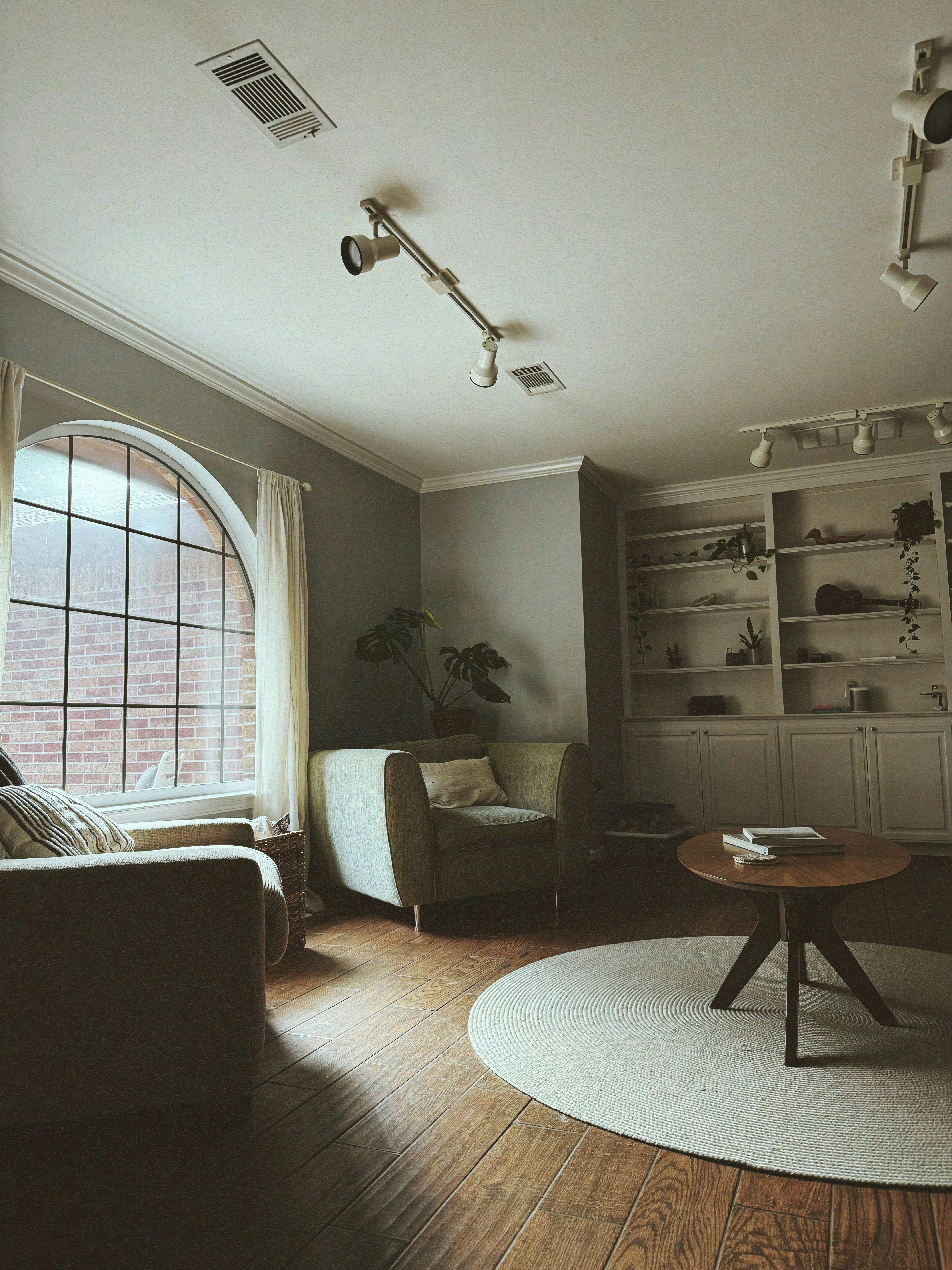
The Challenge: Before
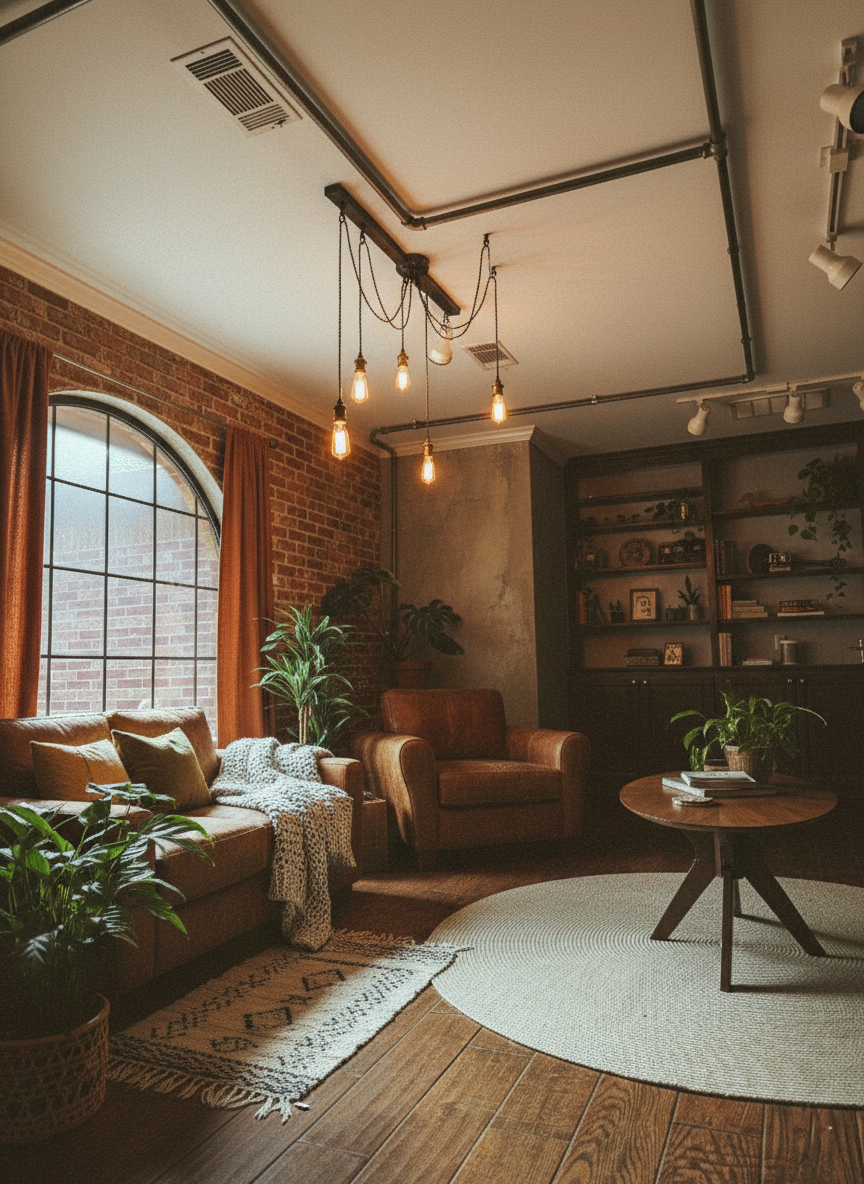
The Transformation: After (AI Generated)
AI Industrial Designer - Create Urban Loft Interiors (2026)
Industrial interior design emerged from necessity when artists and creative professionals began converting abandoned warehouses, factories, and commercial buildings into living spaces during the 1950s and 60s. These early adopters couldn't afford to hide or "fix" the raw industrial infrastructure including exposed brick walls, visible ductwork, concrete floors, and steel beams. Instead, they embraced these elements as aesthetic features, celebrating honest materials and utilitarian beauty that mainstream residential design typically concealed. Over decades, what began as practical adaptation evolved into intentional design aesthetic appreciated for its urban edge, historical character, and rejection of conventional domestic polish. Today, industrial style extends far beyond actual loft conversions into purpose-built apartments, suburban homes, and even rural properties where people deliberately introduce industrial elements to capture the aesthetic's particular blend of rough texture, minimal decoration, and authentic materials. AI industrial designers help you navigate the balance between industrial character and livable comfort, showing you how to incorporate raw materials and utilitarian elements without creating spaces that feel cold, uncomfortable, or like unfinished construction sites rather than intentional homes.
Understanding Industrial Design Philosophy
Industrial design philosophy celebrates authenticity through exposed structural and mechanical systems typically hidden in conventional construction. Where traditional residential design conceals pipes, ducts, beams, and electrical conduits behind finished surfaces, industrial aesthetic makes them visible as integral design elements. This exposure serves multiple purposes beyond pure necessity. Functionally, it maximizes ceiling height and reduces construction costs by eliminating dropped ceilings and finished walls. Aesthetically, it creates visual interest through the complexity and geometry of mechanical systems while honestly expressing building function. Philosophically, it rejects the domestic ideal of polish and perfection in favor of rawer, more honest material expression aligned with modernist architectural principles valuing truth in materials and construction.
The style embraces imperfection and age through materials showing wear, patina, and history. Brick walls display mortar inconsistencies and damage patterns. Concrete floors reveal cracks and color variations. Metal surfaces rust or develop oxidation. Wood shows grain irregularities and weathering. These imperfections communicate authenticity and permanence that pristine new materials cannot convey. Industrial design values durability and lasting quality over trendy perfection, celebrating materials that improve with age rather than deteriorate. This aesthetic particularly resonates in contemporary culture increasingly skeptical of disposable consumer goods and artificial surfaces, appealing to people seeking genuine materials and construction honesty in their living environments.
Utilitarian beauty forms another core principle where functional objects and materials become decorative elements through their honest display. A vintage factory cart serves as coffee table. Edison bulbs on visible cords provide lighting. Metal shelving stores books and objects. Steel-framed windows divided into multiple panes create architectural interest. These functional elements require no additional decoration because their utility and honest construction provide inherent beauty. This approach aligns with modernist design principles eliminating applied ornament in favor of form following function, though industrial style accepts rougher, less refined execution than high modernist design typically demands.
The industrial aesthetic also reflects urban context and contemporary lifestyle values around authenticity, sustainability through adaptive reuse, and rejection of suburban domesticity. The style signals urban sophistication, creative sensibility, and environmental consciousness through repurposing existing structures and materials rather than building new. It appeals particularly to people in creative fields, technology workers, and anyone identifying with urban culture and contemporary values around authentic experience, environmental responsibility, and individual expression over conformity to traditional domestic ideals. Whether you live in actual converted industrial space or suburban home, industrial design allows you to express these values and identity through material and aesthetic choices.
Signature Elements of Industrial Design
Exposed Brick Walls
Exposed brick walls represent perhaps the most iconic industrial design element, providing texture, warmth, and historical character that smooth finished walls cannot match. Original brick from warehouse or factory conversions shows age through weathered surfaces, varied coloring, and mortar patina accumulated over decades or centuries. The brick's rough texture and irregular surface create visual interest through light and shadow patterns changing throughout the day. Color variations from manufacturing inconsistencies, wear patterns, and different brick types used during repairs or additions add complexity preventing the monotonous surface that uniform materials create.
In spaces lacking original exposed brick, several approaches create similar effects with varying authenticity and cost implications. Brick veneer involves thin brick slices applied to existing walls, providing authentic brick texture and color at lower cost and weight than full-thickness brick. Faux brick panels made from polyurethane or other materials simulate brick appearance at minimal cost and weight but lack authentic texture and aging that real brick provides. Painted brick offers another option where existing brick gets painted white, gray, or other colors creating textured surface while lightening and updating the material's appearance. Each approach suits different budgets, structural situations, and aesthetic preferences, with AI helping you visualize how real versus faux brick appears in your specific space.
Concrete Floors and Surfaces
Concrete floors exemplify industrial design's celebration of raw, honest materials typically hidden beneath finished flooring in conventional construction. Polished concrete involves grinding and sealing existing concrete slabs, revealing aggregate and creating smooth, durable surface with subtle sheen. The process maintains concrete's natural color variations and character while making it practical for daily living through sealed, stain-resistant finish. Concrete's thermal mass provides energy efficiency benefits by moderating indoor temperatures, while its durability suits high-traffic areas and homes with pets. The minimal maintenance requirements and decades-long lifespan align with industrial design values around practical, lasting materials.
Beyond floors, concrete appears on walls, countertops, fireplace surrounds, and accent features throughout industrial interiors. Concrete countertops in kitchens and bathrooms provide heat-resistant, durable surfaces with unique character through color and texture customization during pouring and finishing. Concrete walls, whether original structural elements or deliberately applied finishes, create dramatic backdrops with monolithic presence and subtle surface variations. The material's cool gray tones complement the industrial palette while providing neutral background letting furniture and artwork become focal points. However, concrete's hardness and coolness require balancing through textile softness and wood warmth preventing spaces from feeling too cold or uncomfortable.
Metal and Steel Elements
Metal appears extensively throughout industrial interiors in structural, functional, and decorative applications. Exposed steel beams and columns reveal building structure while providing strong visual lines organizing spaces. Steel-framed windows, often salvaged from old factories or commercial buildings, feature narrow frames and multiple panes creating classic industrial look while admitting maximum natural light. Metal staircases with open treads maintain visual openness while providing sculptural presence. These structural metal elements establish industrial character through their honest expression of building systems and load-bearing function.
Furniture and fixtures incorporate metal extensively through steel-framed tables and desks, metal chairs including vintage factory stools and industrial seating, steel shelving units originally designed for warehouse use, and metal cabinets repurposed from commercial or industrial settings. Finishes range from raw steel developing natural rust patina to powder-coated colors to stainless steel providing modern shine. Black iron, weathered bronze, and galvanized zinc also appear frequently. Lighting fixtures particularly embrace metal through cage pendants, adjustable factory-style task lights, metal floor and table lamps, and exposed bulb fixtures on metal cords or pipes. The metal's industrial origins and utilitarian forms contribute authentic character while providing highly functional, durable elements.
Wood Accents and Warmth
While not originally prominent in true industrial settings, wood provides essential warmth balancing brick, concrete, and metal's coolness in contemporary industrial design. Reclaimed wood offers particular appeal through its authentic age, weathering, and history visible in grain patterns, nail holes, and surface variations. Barn wood, old factory flooring, and salvaged beams provide immediate character and sustainability through reuse. The wood's warm tones and organic texture soften industrial materials' hardness creating more comfortable, livable environments than pure industrial palette allows.
Wood applications in industrial spaces include dining and coffee tables with thick plank tops on metal bases, open shelving displaying books and objects, accent walls bringing warmth to brick or concrete surroundings, and ceiling treatments adding visual interest overhead. Wood tones typically lean toward medium to dark browns, walnut, or natural aged grays rather than light bleached woods that can feel too refined for industrial aesthetic. The finish often shows wood's natural character through clear coats or oil rather than heavy stains obscuring grain and texture. This wood incorporation transforms industrial spaces from commercial coldness into residential warmth while maintaining style's essential character.
Open Floor Plans and High Ceilings
Industrial spaces typically feature open layouts with minimal interior walls reflecting their commercial origins where large undivided areas accommodated manufacturing or warehouse operations. This openness allows flexibility in space usage while maintaining visual connection throughout living areas. Combined living, dining, and kitchen zones flow together with definition created through furniture placement, area rugs, and lighting rather than permanent walls. The open layout suits contemporary lifestyle preferences for casual living and entertaining while showcasing industrial architectural features throughout spaces rather than hiding them behind walls.
High ceilings complement open floor plans creating dramatic volume and allowing full appreciation of exposed systems and structure. Twelve-foot or higher ceilings permit exposed ductwork, pipes, and beams while maintaining comfortable proportions and allowing tall windows admitting abundant natural light. The vertical space accommodates mezzanine levels adding square footage without conventional second floors, with open railings maintaining visual connection between levels. High ceilings also improve acoustics and air circulation, practical benefits alongside aesthetic impact. However, the scale requires careful furniture selection and arrangement preventing spaces from feeling empty or furniture from appearing lost in excessive volume.
Large Windows and Natural Light
Large industrial windows, often steel-framed with multiple panes, flood spaces with natural light while providing strong architectural character. Original factory and warehouse windows prioritized maximum daylight for work activities while industrial-strength framing withstood building movements and weather exposure. In residential conversions, these windows become dramatic design features creating strong geometric patterns on walls and providing connection to urban surroundings. Window treatments typically remain minimal with simple roller shades or left uncovered entirely where privacy permits, maximizing light admission and maintaining views.
In spaces lacking original industrial windows, similar effects can be achieved through oversized contemporary windows with black frames mimicking steel's narrow profiles and geometric divisions. Floor-to-ceiling windows maximize light and views while creating dramatic vertical elements. The abundant natural light becomes essential in industrial spaces where raw materials and neutral palettes might otherwise feel dark or oppressive. Light playing across textured brick, reflecting off concrete floors, and creating shadows from exposed structure provides dynamic visual interest changing throughout day and seasons. This natural illumination also reduces artificial lighting needs supporting industrial design's practical, efficient values.
Neutral Color Palette
Industrial color schemes stay predominantly neutral featuring grays, blacks, whites, browns, and raw material colors including brick red, concrete gray, and metal tones. This restrained palette allows materials and textures to provide visual interest rather than competing colors. The neutrals also create calm, sophisticated atmosphere suiting adult living while providing backdrop letting artwork, plants, or selective colorful accents make maximum impact. Colors when introduced typically appear through textiles, artwork, or single furniture pieces rather than throughout spaces, maintaining industrial aesthetic's essential restraint and material focus.
Gray dominates as most common industrial color appearing in everything from painted walls to concrete floors to metal finishes. Black provides definition through window frames, metal furniture, light fixtures, and accents creating strong visual weight grounding spaces. White appears on some walls, ceilings, and furniture providing brightness and contrast against darker elements. Warm browns come through wood furniture and leather upholstery adding necessary warmth. The overall effect feels urban and sophisticated rather than colorful and cheerful, suiting industrial design's somewhat serious, mature character. However, the neutrals never become dull because texture variation across brick, concrete, metal, and wood creates visual richness pure color cannot provide.
Utilitarian Lighting
Industrial lighting embraces utilitarian forms originally designed for factories and workshops now repurposed as residential fixtures. Pendant lights with metal shades or cage guards hang over dining tables, kitchen islands, or as general illumination. Adjustable wall-mounted swing-arm lamps provide task lighting. Track lighting on exposed conduit illuminates artwork or specific areas. Edison bulbs with visible filaments on fabric-covered cords hang as simple pendants celebrating the bulb itself as decorative object. These functional fixtures require no additional decoration because their honest utility and quality construction provide inherent beauty.
Lighting in industrial spaces also includes architectural elements like exposed bulbs mounted on metal pipes or conduits running across ceilings or down walls, creating sculptural installations that double as illumination. Vintage factory fixtures including original pendant shades, gooseneck lamps, and workshop task lights add authentic character when available. The lighting typically uses warm-toned bulbs preventing the coldness that cool white light would create in already hard-surfaced spaces. Multiple light sources at various heights create layered illumination suitable for different activities and times of day while adding visual interest through fixture variety and placement.
Minimal Decoration and Furniture
Industrial design favors minimal decoration allowing architectural elements and materials to serve as primary visual interest. Spaces avoid unnecessary accessories, excessive wall art, or decorative objects lacking clear purpose. Furniture selections tend toward simple, functional pieces with honest construction and materials rather than ornate or decorative designs. This restraint prevents distraction from industrial features while maintaining the aesthetic's utilitarian character. However, minimal doesn't mean stark, with carefully chosen objects and artwork adding personality and human warmth to otherwise hard-edged spaces.
Furniture in industrial spaces typically features metal frames, wood tops or seats, and straightforward construction without ornamentation. Vintage industrial pieces including factory carts as coffee tables, metal stools, steel shelving units, and workshop benches provide authentic character. Contemporary furniture with industrial influences includes pieces combining metal and wood, designs with exposed construction, and simple forms without applied decoration. Upholstered pieces often feature leather or canvas rather than delicate fabrics, with colors staying within the neutral palette. The overall furniture collection creates functional living environment while respecting industrial aesthetic's essential restraint and material honesty.
How to Use AI for Industrial Design
Assessing Your Space's Industrial Potential
Before generating AI industrial designs, honestly evaluate whether your space naturally supports industrial aesthetic or would require significant work fighting against existing architecture. Actual lofts, warehouses, and buildings with exposed brick, concrete, high ceilings, or large windows provide natural canvas for industrial design. Contemporary open-plan homes can adopt industrial elements fairly easily. However, traditional homes with compartmentalized rooms, standard ceiling heights, and conventional finishes resist industrial style unless you're committed to significant renovation removing walls, exposing structure, or applying industrial materials. AI helps you visualize industrial design in your actual space revealing whether the style enhances or fights your home's character.
Balancing Raw Materials with Comfort
Use AI to test different balances between industrial rawness and residential comfort. Generate one design emphasizing exposed materials with minimal softening seeing how stark the effect feels. Create another incorporating more wood warmth, textile softness, and comfortable furniture while maintaining industrial character. Request third option finding middle ground. These variations help you understand how much warmth your space needs preventing industrial aesthetic from becoming cold and uninviting. Most successful residential industrial spaces incorporate substantial wood and textile elements alongside metal, brick, and concrete, with AI showing you effective combinations.
Testing Authentic Versus Applied Elements
If your space lacks authentic industrial features, AI can show you different approaches to adding industrial character. Compare exposed structural elements if accessible against applied treatments like brick veneer or concrete-look finishes. See how industrial furniture and lighting affect non-industrial architecture. Evaluate whether full commitment or selective industrial accents work better given your building's bones. Sometimes lighter industrial touches through furniture, lighting, and accessories create better results than forcing architectural elements that might not suit your home's actual construction and context.
Considering Furniture Scale
Industrial spaces, particularly those with high ceilings and open plans, require larger-scale furniture than standard residential rooms. Request AI designs showing different furniture sizes from normal residential scale to larger pieces appropriate for industrial proportions. Undersized furniture gets lost in voluminous spaces while properly scaled pieces ground areas and create comfortable, human-scaled zones within larger volumes. AI helps you evaluate whether your planned furniture feels appropriately sized or needs adjustment for your specific space dimensions and ceiling heights.
Evaluating Lighting Adequacy
Industrial materials absorb rather than reflect light, requiring more illumination than similar-sized rooms with lighter finishes. Ask AI to show designs with various lighting quantities and types ensuring adequate illumination for daily activities. Dark brick, concrete floors, and metal fixtures all reduce available light making multiple sources essential. AI demonstrates whether your planned lighting creates sufficient brightness or leaves spaces too dim, helping you avoid the common mistake of inadequate illumination in beautiful but dark industrial environments.
Common Industrial Design Mistakes
Too Cold and Uncomfortable
The most common industrial design failure involves creating spaces feeling cold, hard, and uninviting despite visual appeal. This happens when raw materials dominate without adequate wood warmth, textile softness, or comfortable furniture balancing the hardness. All brick, concrete, and metal creates impressive photographs but uncomfortable living environments lacking psychological warmth and physical comfort. AI shows you whether your material combination creates livable warmth or crosses into cold, unwelcoming territory requiring more softening elements for residential comfort.
Fighting Inappropriate Architecture
Attempting industrial design in architecturally incompatible homes often feels forced and unconvincing. Traditional colonials, craftsman bungalows, and suburban tract homes resist industrial aesthetic through their bones including compartmentalized layouts, standard ceiling heights, and conventional architectural details. Forcing industrial elements into these contexts rarely succeeds, typically looking like renovation gone wrong rather than intentional style. AI helps you see whether industrial works with your actual architecture or if other aesthetics better suit your home's inherent character.
Inadequate Heating and Acoustics
Industrial materials and open layouts create practical challenges around heating and sound that purely aesthetic considerations sometimes ignore. Concrete and brick have high thermal mass affecting heating efficiency. High ceilings mean warm air rises away from living areas. Hard surfaces create echo and sound reflection making spaces acoustically challenging. Open layouts offer no sound barriers between activities. These practical issues require addressing through adequate HVAC capacity, area rugs dampening sound, and sometimes acoustic treatments. AI can't solve these issues but helps you understand whether your space's proportions and materials might create comfort challenges requiring technical solutions beyond aesthetic design.
Over-Styling with Industrial Clichés
Some industrial attempts accumulate too many obvious industrial clichés including excessive Edison bulbs, gear artwork, "FACTORY" signs, and vintage industrial objects until spaces feel theme-bar rather than authentic. True industrial design emerges organically from building character and functional object beauty rather than forced accumulation of industrial-themed decoration. AI shows you whether your planned elements create authentic industrial character or cross into overwrought styling that announces trying too hard rather than authentic expression.
Ignoring Residential Needs
Industrial aesthetic sometimes prioritizes appearance over residential function, creating beautiful spaces that don't serve daily living well. Inadequate storage, uncomfortable seating, insufficient task lighting, or furniture arrangements that photograph well but function poorly all undermine livability. Successful industrial design balances aesthetic with practical residential needs including adequate storage, comfortable seating and beds, proper lighting for various activities, and layouts supporting real daily routines rather than just impressive visuals.
Transform Your Space with Industrial Design
Industrial design offers distinctive aesthetic celebrating honest materials, utilitarian beauty, and urban sophistication through exposed structure, raw surfaces, and minimal decoration. Whether you live in actual converted industrial space or incorporate industrial elements into conventional homes, the style's emphasis on authenticity, durability, and functional beauty creates environments with strong character and contemporary edge. AI industrial designers help you visualize how raw materials, exposed systems, and utilitarian furniture work in your actual spaces before committing to potentially significant investments or renovations pursuing this demanding but rewarding aesthetic.
Your Industrial Design Journey:
Start by photographing your spaces with attention to existing architectural features that might support or resist industrial treatment including ceiling height, window size, exposed structure, or raw materials already visible. Upload photos to HouseGPTs industrial designer specifying whether you want authentic industrial emphasizing raw materials or softer contemporary industrial incorporating more warmth. Generate multiple designs testing different balances between industrial rawness and residential comfort, varied wood and textile integration, and furniture scale appropriate to your space proportions.
Use visualizations to evaluate whether industrial design truly suits your home's architecture and your lifestyle preferences. Share designs with household members ensuring everyone appreciates industrial aesthetic's particular character before committing to changes. Remember that industrial design works best when building and lifestyle naturally support the style rather than forcing aesthetic onto resistant contexts. Let AI guide understanding of whether full industrial commitment or selective industrial influences better serve your space and needs.
Visualize Your Industrial Space
Upload your room photo and see industrial transformations from raw authentic loft to softened contemporary industrial. Discover if this urban aesthetic suits your space.
Related Industrial Design Resources
Ready for Your Own AI Redesign?
Start Designing with AI →FAQs about AI Industrial Designer - Create Urban Loft Interiors (2026)
Everything you need to know
Can AI design industrial interiors?
Yes. AI industrial designers create urban loft-style interiors featuring exposed brick walls, concrete floors, metal elements, raw materials, and utilitarian furniture. Upload your room photo, specify industrial style preference (authentic raw loft or contemporary industrial with more warmth), and receive photorealistic designs in 30 seconds showing how to achieve industrial aesthetic balancing raw character with residential comfort.
What is industrial interior design?
Industrial design celebrates raw, honest materials typically hidden in conventional construction including exposed brick walls, concrete floors, visible ductwork and pipes, steel beams and columns, large factory-style windows, metal furniture and fixtures, and utilitarian lighting. The style emerged from warehouse and factory conversions, emphasizing authenticity, durability, and functional beauty with minimal decoration. Modern industrial design balances raw materials with wood warmth and textile comfort creating livable residential spaces.
What materials are used in industrial design?
Industrial design features exposed brick providing texture and warmth, polished concrete floors for durability, metal and steel in furniture and structural elements, reclaimed wood adding warmth, glass in large windows and tables, and raw or painted finishes showing honest material character. These materials combine creating spaces with rough texture and authentic character distinguished from conventional residential polish. AI shows how different material combinations affect your space's industrial feeling.
What colors are used in industrial design?
Industrial design uses predominantly neutral palettes featuring grays, blacks, whites, browns, and raw material colors (brick red, concrete gray, metal tones). Gray dominates through painted surfaces, concrete, and metal. Black provides definition through frames, furniture, and fixtures. White adds brightness and contrast. Warm browns come through wood and leather. Color accents when present appear sparingly through textiles or single pieces maintaining industrial restraint.
How do you make a room look industrial?
Make rooms industrial by: exposing brick walls if available or adding brick veneer, using concrete or concrete-look flooring, incorporating metal furniture and fixtures, choosing utilitarian lighting (cage pendants, Edison bulbs, factory lamps), adding reclaimed wood elements, maintaining neutral gray-black-white palette, ensuring minimal decoration, including large windows with minimal treatments, and selecting furniture with honest construction. AI shows these elements combined in your specific space.
Can industrial design work in suburban homes?
Industrial elements can work in suburban homes but require careful selection based on architecture. Open-plan contemporary homes adapt more easily than traditional compartmentalized layouts. Consider selective industrial touches through furniture, lighting, and materials rather than full conversion if your home's bones resist the style. Exposed beams, concrete-look floors, metal lighting, and industrial furniture can add character without fighting conventional architecture. AI shows whether full or selective industrial works for your home.
Is industrial design comfortable?
Industrial design can be comfortable when properly balanced with warmth. Raw industrial featuring only brick, concrete, and metal feels cold and uninviting. Successful residential industrial incorporates substantial wood elements, soft textiles (rugs, throws, pillows), comfortable upholstered furniture, and warm lighting balancing hard surfaces. The key involves maintaining industrial character while adding enough softness for psychological and physical comfort. AI helps you find this balance.
What is the difference between industrial and rustic design?
Industrial emphasizes urban warehouse aesthetic with brick, concrete, metal, and utilitarian elements creating edgy, sophisticated atmosphere. Rustic features natural wood, stone, cabin-like warmth, and country elements creating cozy, casual feel. Industrial leans harder and more urban. Rustic feels warmer and more rural. Both celebrate honest materials but with different character and context. AI generates both styles so you see the distinction and determine which suits your preferences.