AI Luxury Home Designer - Create High-End Interior Designs (2026)
Article Contents
- What Defines Luxury Interior Design
- Luxury Design Styles for Different Aesthetics
- Classic European Luxury
- Modern Luxury Minimalism
- Contemporary Glamour
- Organic Luxury
- Eclectic Collected Luxury
- Essential Elements of Luxury Room Design
- Custom Architectural Details
- Statement Lighting as Jewelry
- Layered Window Treatments
- Custom Furniture and Built-Ins
- Art as Essential Rather Than Optional
- How to Use AI for Luxury Design Visualization
- Establishing Your Luxury Vision
- Specifying Premium Materials
- Emphasizing Space and Proportion
- Requesting Specific Furniture Styles
- Balancing Opulence with Restraint
- Luxury Design Mistakes AI Helps Avoid
- Confusing Expensive with Luxurious
- Over-Decorating and Pattern Overload
- Ignoring Comfort for Aesthetics
- Forcing Incompatible Styles
- Inadequate Lighting Design
- Luxury Design Budget Allocation
- Investment-Worthy Elements
- Where to Moderate Spending
- Typical Luxury Room Investment Ranges
- Transform Your Space with Luxury Design
- Your Luxury Design Action Plan:
- Related Luxury Design Resources
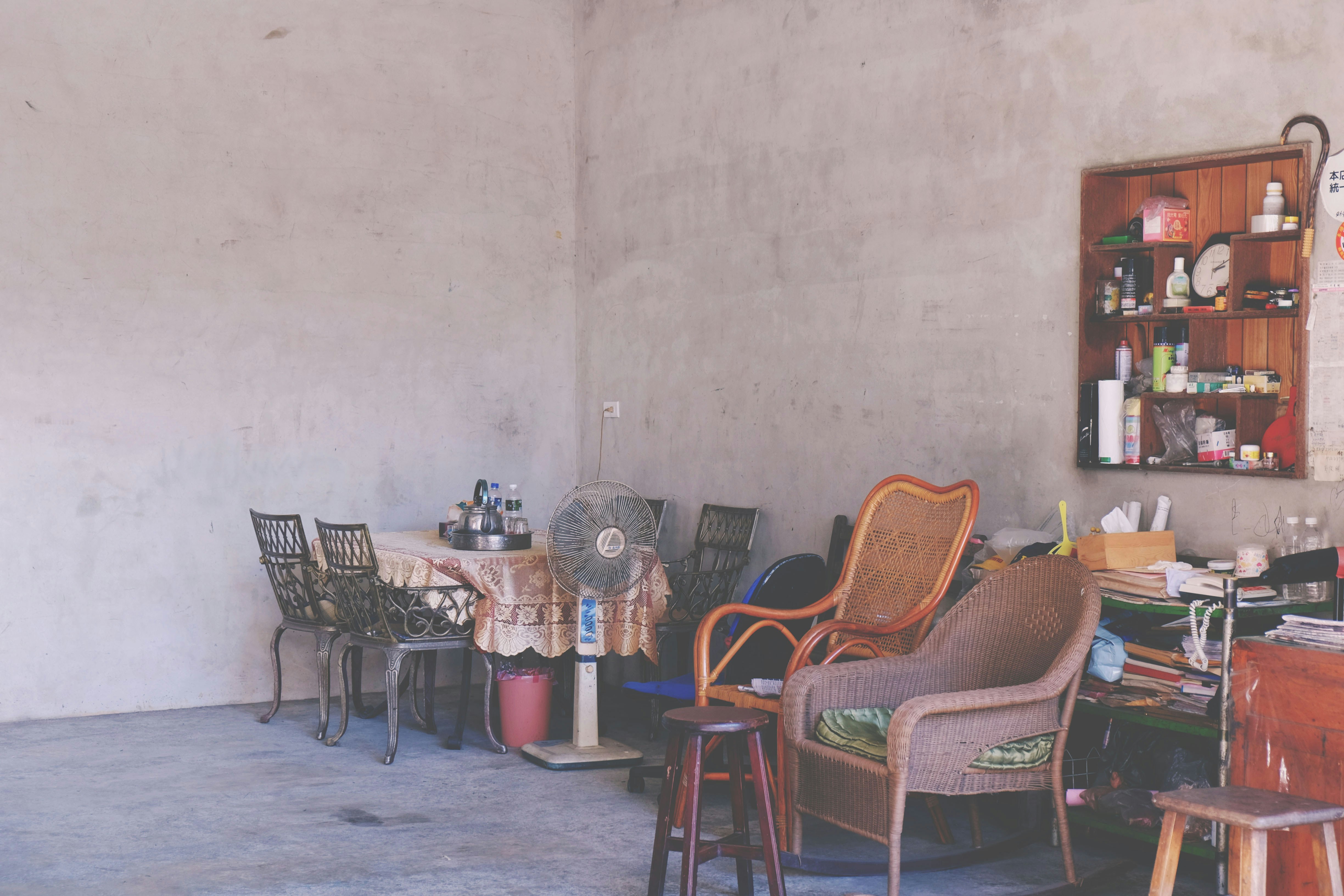
The Challenge: Before
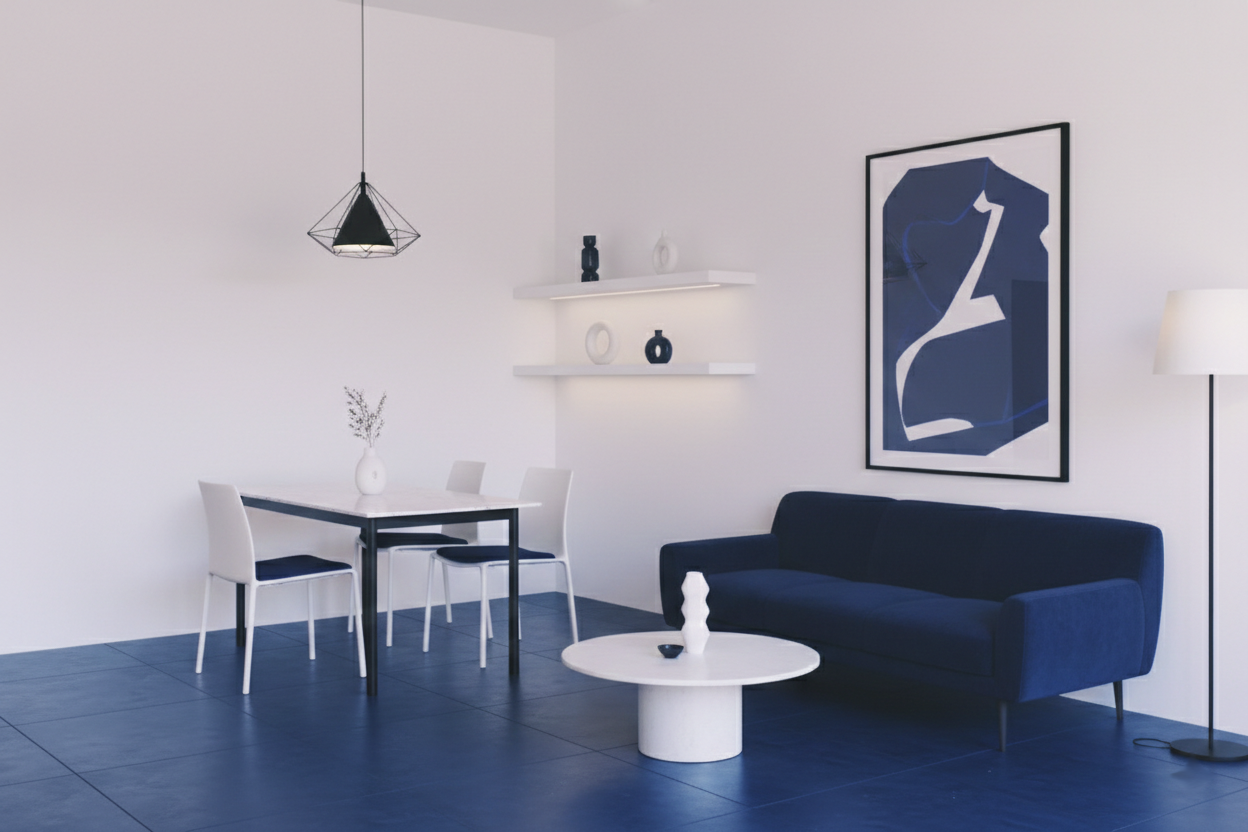
The Transformation: After (AI Generated)
AI Luxury Home Designer - Create High-End Interior Designs (2026)
Luxury interior design occupies a unique space where budget constraints fade into irrelevance and the only limit becomes imagination guided by sophisticated taste. While most homeowners shop at IKEA and Wayfair, luxury design clients source from Paris showrooms, commission custom furniture from Italian artisans, and treat interior design as investment in lifestyle quality rather than necessary home maintenance. The challenge in luxury design isn't making things work within budget. It's achieving that effortless elegance where every element feels inevitable and essential, where opulence never crosses into ostentation, and where comfort and beauty exist in perfect balance. AI luxury home designers help visualize these elevated aesthetics before committing six-figure budgets to implementations that can't easily be undone.
What Defines Luxury Interior Design
Luxury design distinguishes itself not through price tags but through uncompromising attention to quality, proportion, and detail. A luxury interior might feature a custom sofa that costs twenty thousand dollars, but the expense exists because the piece was made to exact specifications using the finest materials and craftsmanship available, not because someone slapped an expensive label on ordinary furniture. Every element in luxury spaces serves both functional and aesthetic purposes while contributing to an overall composition that feels cohesive and intentional rather than accumulated and decorated.
The materials tell the story most obviously. Real marble instead of cultured composite. Solid hardwood instead of veneer. Hand-knotted silk rugs instead of machine-made wool. Crystal chandeliers with hand-cut prisms instead of glass. Genuine leather upholstery instead of bonded or faux. These material choices create tactile and visual richness that photographs struggle to capture but human senses immediately register. Walking into a truly luxurious room triggers visceral responses because your eyes see quality materials reflecting light beautifully, your hands feel substantial textures, and your body sinks into properly crafted furniture that supports and embraces simultaneously.
Beyond materials, luxury design demonstrates itself through proportion and space usage. Luxury rooms don't feel crowded or cluttered even when richly furnished because proper scale relationships exist between furniture, architecture, and empty space. Ceilings rise higher, windows expand larger, hallways widen beyond minimum code requirements. Furniture doesn't maximize seating capacity but rather creates intimate conversation areas with generous personal territory. Artwork hangs at perfect height with proper spacing. Every measurement reflects thoughtful consideration rather than making-do with what fits. This spatial generosity communicates luxury as effectively as any material choice.
Detail work separates luxury from merely expensive design. Crown molding features multiple profiles rather than single strips. Door and window casings include proper proportions and layers. Hardware throughout the home carries consistent quality and finish. Light switches feel substantial rather than cheap plastic. Baseboards stand tall and properly detailed. These architectural elements that most people never consciously notice create subconscious impressions of quality that elevate entire spaces. AI luxury designers help you visualize how these layered details combine to create rooms that feel special rather than just costly.
Luxury Design Styles for Different Aesthetics
Classic European Luxury
Classic European luxury draws inspiration from centuries of refined aristocratic living, incorporating elements from French chateaux, Italian villas, and English manor houses. This aesthetic celebrates ornamental detail without becoming fussy, embraces symmetry and formal balance, and layers rich materials with evident craftsmanship. Colors tend toward sophisticated neutrals punctuated by jewel tones. Furniture features carved details, upholstered elegance, and substantial presence. Fabrics include silk, velvet, damask, and fine linens. Crystal chandeliers provide illumination while serving as jewelry for rooms. Artwork leans toward classical paintings and sculptures rather than contemporary pieces.
The key to successful classic luxury lies in restraint despite abundance. A room might contain a gilded mirror, silk draperies, velvet upholstery, and ornate moldings, but each element exists in proper proportion to others rather than competing for attention. The overall effect feels cultivated and refined rather than overwhelming or theatrical. Modern interpretations of classic luxury often lighten color palettes toward creams and soft grays while maintaining the essential commitment to quality materials and traditional forms. This approach creates spaces that honor historical elegance while feeling appropriate for contemporary living.
Modern Luxury Minimalism
Modern luxury minimalism proves that opulence doesn't require ornament. This aesthetic strips away decorative excess to reveal beauty in pure form, proportion, and material quality. Spaces feature clean architectural lines, limited color palettes dominated by whites, grays, and blacks, and furniture reduced to essential elements. However, every remaining element demonstrates exceptional quality and craftsmanship. A minimalist luxury room might contain only a custom sofa, designer coffee table, and sculptural lighting fixture, but each piece represents pinnacle achievement in its category.
Material selection becomes crucial in minimalist luxury since fewer elements must carry greater visual and tactile impact. Book-matched marble slabs create dramatic wall features. Polished concrete floors demonstrate precision finishing. Custom millwork in exotic woods provides subtle warmth. Glass and metal fixtures showcase engineering excellence. The restraint requires confidence and investment because there's nowhere to hide mistakes or cut corners when every element stands exposed. AI helps you understand whether your space supports this demanding aesthetic that rewards perfection but punishes compromise.
Contemporary Glamour
Contemporary glamour blends modern simplicity with touches of opulence and drama. This style embraces mixed metals like brass, chrome, and blackened steel. Incorporates mirrors extensively to multiply light and space. Uses luxe materials like marble, lacquer, and glass. Features furniture with strong geometric forms softened by plush upholstery. Accepts bold color through artwork or single statement pieces. Creates spaces that feel current and sophisticated without the austerity of pure minimalism or the formality of classical approaches.
Lighting plays particularly important roles in contemporary glamour, with statement fixtures serving as functional sculpture. A brass starburst chandelier might anchor a dining room. Crystal sconces flank a fireplace. Modern LED strips create architectural drama. The mixture of metallic finishes throughout spaces creates visual richness without pattern or color. This aesthetic works especially well in urban settings where the sophistication feels contextually appropriate and where entertaining guests represents significant lifestyle component.
Organic Luxury
Organic luxury brings natural materials and forms into high-end residential design, creating spaces that feel simultaneously refined and grounded. This aesthetic features live-edge wood tables, stone accent walls, woven natural fiber textiles, and plantings integrated architecturally rather than added decoratively. Colors draw from earth and forest with warm browns, soft greens, and natural stone tones. Furniture combines organic shapes with luxury comfort through pieces like curved sofas in linen upholstery or sculptural wood chairs with leather cushions.
The challenge in organic luxury involves balancing rustic materials with refined execution. A wood beam ceiling feels luxury when the beams demonstrate beautiful grain and expert finishing, but feels cheap when the wood looks rough-hewn and unfinished. Stone floors elevate spaces when precisely cut and perfectly installed, but drag down rooms when laid carelessly. AI organic luxury designs help you visualize how natural materials can read as sophisticated rather than simply rustic, showing the difference between organic elegance and basic naturalism.
Eclectic Collected Luxury
Eclectic luxury celebrates well-traveled sophistication through carefully curated collections of furniture, art, and objects from diverse sources and periods. A room might combine an antique Persian rug, modern Italian sofa, African sculptures, Asian ceramics, and contemporary American artwork, unified through sophisticated color relationships and proper scale balance. This approach requires keen aesthetic judgment since poor execution creates chaotic jumble while successful implementation demonstrates cultured taste and global awareness.
The luxury component comes through quality rather than stylistic consistency. Every piece must justify its presence through beauty, craftsmanship, or meaningful connection rather than simply filling space. Eclectic luxury rooms tell stories about their owners through thoughtful object selection and placement. They feel collected over time rather than purchased wholesale from single sources. AI helps you test whether diverse elements actually harmonize or merely coexist, showing you the line between intentional eclecticism and accidental chaos.
Essential Elements of Luxury Room Design
Custom Architectural Details
True luxury begins with architecture rather than decoration. Crown molding shouldn't be builder-grade strips but properly proportioned multi-piece installations that relate to ceiling height and room scale. Coffered ceilings add dimension and interest to tall spaces. Wainscoting provides visual weight and texture to walls. Door and window casings demonstrate proper classical proportions rather than minimal trim. These architectural investments create foundation for luxury that furniture and decor enhance rather than create alone. Rooms with quality architectural bones feel special even when sparsely furnished, while rooms lacking architectural interest require constant decoration to achieve similar impact.
Statement Lighting as Jewelry
Luxury spaces treat lighting fixtures as sculptural jewelry rather than purely functional necessities. A crystal chandelier in the dining room becomes the room's crown jewel, selected for beauty as much as illumination. Sconces flanking a fireplace or mirror demonstrate craftsmanship through metalwork and material quality. Table lamps feature bases worth displaying rather than hiding behind lampshades. Pendant lights over kitchen islands make design statements. This investment in lighting quality elevates entire rooms since people naturally notice and appreciate beautiful fixtures even when they don't consciously analyze other design elements.
Layered Window Treatments
Luxury window treatments combine function with opulence through layered approaches that might include motorized shades for light control, sheer panels for privacy during day, and heavy draperies for drama and insulation. Fabrics feature silk, linen, velvet, or custom-woven materials rather than polyester blends. Hardware includes substantial rods and finials in quality metals. The treatments hang floor-to-ceiling even when windows sit lower, creating vertical visual expansion. Installation demonstrates precision with perfect hems and proper proportion to window and wall sizes. These comprehensive window treatments can cost thousands per window but transform how rooms feel by framing views beautifully and controlling light quality throughout the day.
Custom Furniture and Built-Ins
Luxury interiors frequently feature custom furniture designed specifically for spaces and clients rather than selected from showroom floors. Sofas might be built to exact length needed for a wall, upholstered in client-selected fabric, with custom cushion firmness and specific arm style. Dining tables get constructed to seat the client's preferred number in their dining room's exact dimensions. Built-in cabinetry maximizes storage while creating architectural interest, finished to match or complement other woodwork throughout homes. These custom elements ensure perfect fit and function while demonstrating commitment to quality that mass-produced furniture cannot match regardless of brand prestige.
Art as Essential Rather Than Optional
Luxury design treats artwork as essential room element rather than optional decoration added after everything else is placed. Significant pieces might include original paintings from recognized artists, limited edition photography, sculpture, or mixed media installations. Art receives proper placement, lighting, and framing investment that honors both the work and the space. Collections develop over time through thoughtful acquisition rather than quick decorator purchases meant to fill walls. The presence of quality art elevates rooms by adding cultural and personal meaning beyond pure aesthetics, creating spaces that reflect intellect and sensibility alongside material comfort.
How to Use AI for Luxury Design Visualization
Establishing Your Luxury Vision
Before generating AI luxury designs, clarify which interpretation of luxury resonates with your aesthetic preferences. Do you gravitate toward classical European elegance or contemporary minimalism? Does organic naturalism appeal more than urban glamour? Would you rather have fewer exceptional pieces or more abundant layered luxury? These directional choices inform AI prompts that generate designs matching your authentic taste rather than generic expensive-looking rooms. Luxury design works best when it reflects personal aesthetic conviction rather than attempting to impress others or follow current trends.
Specifying Premium Materials
When prompting AI for luxury designs, specify material quality explicitly. Request marble rather than just stone. Ask for silk draperies instead of curtains. Specify hardwood flooring rather than generic wood floors. Mention leather upholstery, crystal lighting, custom millwork, and other indicators of material quality. These details help AI generate designs that read as genuinely luxurious rather than simply decorated. The technology understands material hierarchies and can visualize how premium materials combine to create sophisticated spaces when given proper direction through specific language.
Emphasizing Space and Proportion
Luxury design requires generous proportions that AI can visualize if prompted appropriately. Request furniture arrangements that prioritize comfort and conversation over maximum capacity. Ask for proper clearances and breathing room around pieces. Specify tall ceilings and large windows when these exist in your actual space. Mention architectural details like crown molding, coffered ceilings, or wainscoting. These spatial considerations help AI generate designs that feel spacious and intentional rather than cramped or cluttered, capturing the generosity inherent to luxury living.
Requesting Specific Furniture Styles
Rather than leaving furniture selection vague, specify particular styles or even designer names when prompting AI. Request a channeled velvet sofa rather than just a sofa. Ask for a live-edge walnut dining table instead of generic table. Mention Chesterfield chairs, bergère armchairs, or parsons tables if these styles appeal to you. Reference designers like Kelly Wearstler, Jean-Louis Deniot, or Victoria Hagan if their aesthetics resonate. These specific references help AI generate designs closer to your actual vision than generic luxury descriptions would produce.
Balancing Opulence with Restraint
Effective luxury design balances richness with restraint rather than maximizing every element simultaneously. When generating AI designs, test different approaches along the opulence spectrum. Create one version with abundant ornamental detail, gilding, and layered patterns. Generate another with restrained palette, minimal pattern, and focus on material quality over decorative elaboration. Compare results to understand which balance feels authentically luxurious to you versus which feels overwrought or trying too hard. True luxury often demonstrates through subtle excellence rather than obvious display.
Luxury Design Mistakes AI Helps Avoid
Confusing Expensive with Luxurious
The most common luxury design failure involves assuming that expensive automatically equals luxurious. A room full of designer labels and high price tags can still feel cold, uncomfortable, or pretentious if poorly composed. Luxury emerges from thoughtful curation, proper proportion, quality materials, and comfortable functionality rather than price tags alone. AI helps you visualize whether your expensive selections actually create luxurious atmosphere or simply expensive-looking spaces that lack soul and comfort. Sometimes fewer higher-quality pieces read as more luxurious than many expensive but poorly coordinated elements.
Over-Decorating and Pattern Overload
Another frequent luxury design error involves layering too many patterns, textures, and decorative elements until rooms feel busy and chaotic rather than rich and sophisticated. A space might contain patterned rug, printed draperies, decorative pillows, ornate furniture, and wallpaper all competing simultaneously, creating visual noise instead of harmonious composition. AI generates multiple options showing different pattern and texture densities, helping you find the optimal balance where richness enhances rather than overwhelms. Often the most successful luxury rooms feature abundant texture with limited pattern, or vice versa, maintaining visual interest without chaos.
Ignoring Comfort for Aesthetics
Some luxury designs prioritize appearance over comfort, creating beautiful spaces that people don't actually enjoy inhabiting. Sofas too firm for relaxing, chairs lacking proper lumbar support, lighting too dim for reading, or arrangements that force awkward conversation angles all undermine luxury regardless of material quality or visual beauty. AI helps you evaluate whether furniture arrangements support comfortable living rather than just photograph well. Luxury should enhance daily life quality, not create museum spaces where people feel uncomfortable touching or using things.
Forcing Incompatible Styles
Attempting to blend too many aesthetic directions simultaneously often creates confused luxury rather than eclectic sophistication. A room mixing heavy traditional furniture, modern art, industrial lighting, and coastal accessories likely feels directionless despite individual element quality. AI lets you test different stylistic combinations to understand which mixtures create intentional eclecticism versus accidental chaos. Successful luxury rooms maintain underlying aesthetic coherence even when incorporating diverse elements, usually through consistent color relationships, scale proportions, or material palettes that unify disparate pieces.
Inadequate Lighting Design
Even rooms featuring premium materials and furniture fail when lighting receives inadequate attention. A luxury space requires layered lighting with ambient, task, and accent sources all controlled independently through dimmers. Statement fixtures provide visual interest while recessed lighting creates overall illumination. Table and floor lamps add warmth and flexibility. Art lighting highlights important pieces. AI shows you how different lighting approaches affect room atmosphere, helping you understand where additional fixtures enhance spaces and where current lighting undermines otherwise quality design through harsh brightness or insufficient illumination.
Luxury Design Budget Allocation
Investment-Worthy Elements
Even within luxury budgets, strategic allocation creates maximum impact. Invest most heavily in elements that affect daily experience and prove difficult to change later. Custom architectural details like moldings, built-ins, and quality flooring justify significant investment since they last decades and influence how every other element reads. Upholstered furniture deserves substantial budget since comfort directly impacts quality of life and quality construction ensures longevity. Window treatments combine visual impact with functional importance through light control and insulation. Lighting fixtures serve as room jewelry while providing essential function. These categories merit premium investment that transforms spaces fundamentally.
Where to Moderate Spending
Even in luxury contexts, some elements can moderate costs without compromising overall quality. Decorative accessories, artwork, and accent furniture can be acquired gradually rather than all at once, allowing for thoughtful curation over time. Some textiles like throw pillows offer opportunities for seasonal change without major investment. Coffee table books, vases, and decorative objects contribute to rooms without requiring luxury budgets. Plants and florals add life and beauty at modest costs. These flexible elements let you allocate more budget to permanent architectural and furniture investments while maintaining complete, polished spaces.
Typical Luxury Room Investment Ranges
Understanding realistic luxury design costs helps with planning and expectations. A luxury living room might require fifty thousand to one hundred fifty thousand dollars including custom furniture, quality area rug, window treatments, lighting fixtures, artwork, and accessories. Luxury bedrooms typically range thirty thousand to eighty thousand including custom bed, quality mattress, bedding, upholstered seating, lighting, and window treatments. Dining rooms might demand forty thousand to one hundred thousand for custom table, quality chairs, buffet or china cabinet, chandelier, and rug. These ranges reflect genuine luxury quality rather than simply expensive retail prices, assuming thoughtful selection rather than careless spending.
Transform Your Space with Luxury Design
Luxury interior design represents more than material expenditure. It embodies commitment to quality, attention to proportion and detail, and creation of spaces that enhance daily living through beauty and comfort simultaneously. Whether you're renovating a penthouse, designing a custom home, or elevating select rooms in your current residence, visualizing luxury options before committing substantial budgets prevents costly mistakes and ensures investments create spaces that genuinely reflect your aesthetic while supporting your lifestyle. AI luxury design tools democratize access to high-end visualization that previously required expensive designer consultations.
Your Luxury Design Action Plan:
Begin by photographing spaces you want to elevate, capturing current conditions and architectural assets like ceiling height, window sizes, and existing architectural details. Then upload your best photos to HouseGPTs luxury designer, specifying which luxury aesthetic resonates most with your preferences. Generate multiple designs exploring different material palettes, furniture styles, and levels of ornamentation to understand which approaches feel authentically luxurious rather than merely expensive or trying too hard.
Use these visualizations when consulting with architects, interior designers, or contractors to communicate your vision clearly and ensure everyone works toward the same aesthetic goals. Share designs with family members to build consensus around substantial investments before committing to purchases that prove difficult to reverse. Let the AI designs guide furniture shopping by showing you specific styles and proportions that work in your actual spaces rather than guessing whether pieces will fit and coordinate properly.
Visualize Your Luxury Design Vision
Upload your space photo and see multiple high-end design directions in 30 seconds. Classical elegance, modern minimalism, or organic luxury - discover which approach suits your aesthetic.
Related Luxury Design Resources
Ready for Your Own AI Redesign?
Start Designing with AI →FAQs about AI Luxury Home Designer - Create High-End Interior Designs (2026)
Everything you need to know
Can AI design luxury interiors?
Yes. AI luxury home designers create high-end interior designs featuring premium materials like marble and silk, custom furniture arrangements, sophisticated lighting, and elegant architectural details. Upload your space photo, specify luxury style preferences (classical European, modern minimalist, contemporary glamour), and receive photorealistic luxury designs in 30 seconds showing how to achieve refined elegance in your actual rooms.
What makes a room look luxurious?
Luxury rooms demonstrate quality through premium materials (real marble, solid hardwood, silk fabrics, leather upholstery), proper proportions with generous spacing, custom architectural details (crown molding, coffered ceilings, wainscoting), statement lighting fixtures, and layered window treatments. Luxury comes from material quality and thoughtful composition rather than price tags alone. AI shows you how these elements combine in your specific space.
How much does luxury interior design cost?
Luxury interior design typically costs $50,000-$150,000 per living room, $30,000-$80,000 per bedroom, and $40,000-$100,000 per dining room including custom furniture, quality materials, lighting, window treatments, and accessories. Costs reflect genuine quality and craftsmanship rather than just expensive labels. AI helps visualize luxury options before committing substantial budgets, preventing costly mistakes.
What is the difference between expensive and luxurious design?
Expensive design simply costs more without guaranteeing quality or beauty. Luxurious design demonstrates through premium materials, expert craftsmanship, proper proportions, comfortable functionality, and thoughtful curation regardless of specific price points. A room full of designer labels can feel cold and pretentious while a well-designed space with fewer quality pieces feels genuinely luxurious. AI helps you distinguish authentic luxury from merely expensive decoration.
What are luxury interior design styles?
Luxury design styles include: Classical European (ornate traditional elegance), Modern Luxury Minimalism (clean lines with premium materials), Contemporary Glamour (metallic finishes and dramatic lighting), Organic Luxury (natural materials with refined execution), and Eclectic Collected Luxury (curated pieces from diverse sources). AI generates designs in any luxury style showing how each approach works in your actual space before selecting a direction.
What materials are used in luxury interior design?
Luxury interiors feature: real marble (not cultured), solid hardwood (not veneer), hand-knotted silk or wool rugs, genuine leather upholstery, crystal lighting fixtures, silk and velvet fabrics, brass or bronze hardware, and custom millwork in exotic woods. These premium materials create tactile richness and visual beauty that photographs cannot fully capture. AI shows how different material combinations affect your room's luxury feeling.
Should I hire a luxury interior designer?
Hire luxury designers for: major renovations over $100,000, custom home construction, complex architectural modifications, or when you need contractor coordination and project management. Use AI design first for: visualizing options before designer consultations, understanding your aesthetic preferences, getting family consensus, or planning projects under $50,000 where full designer services exceed value. Many people use AI to develop vision then hire designers for implementation guidance.
How long does luxury interior design take?
Luxury design timelines: 2-4 months for design development and procurement, 3-6 months for construction and installation, 6-12 months total for complete room transformations including custom furniture which requires 3-6 months production time. Timeline depends on project scope, custom element complexity, and contractor availability. AI visualization happens in seconds, helping you make confident decisions faster and reducing overall project timeline.