AI Rustic Designer - Create Cozy Cabin Interiors (2026)
Article Contents
- Understanding Rustic Design Philosophy
- Signature Elements of Rustic Design
- Exposed Wood Beams and Structural Elements
- Stone Fireplaces and Accents
- Wood Walls, Ceilings, and Floors
- Heavy, Substantial Furniture
- Natural Textures and Organic Materials
- Earth Tone Color Palettes
- Wildlife and Nature-Inspired Decor
- Warm, Ambient Lighting
- Plaid, Wool, and Native Patterns
- How to Use AI for Rustic Design
- Specifying Your Rustic Interpretation
- Balancing Wood and Lighter Elements
- Testing Stone Application Levels
- Evaluating Furniture Scale
- Considering Architectural Context
- Planning for Maintenance Realities
- Common Rustic Design Mistakes
- Too Dark and Cave-Like
- Theme Park Cabin Overdone
- Mismatched Regional Styles
- Uncomfortable Furniture
- Fighting Inappropriate Architecture
- Neglecting Contemporary Comfort
- Transform Your Space with Rustic Design
- Your Rustic Design Journey:
- Related Rustic Design Resources
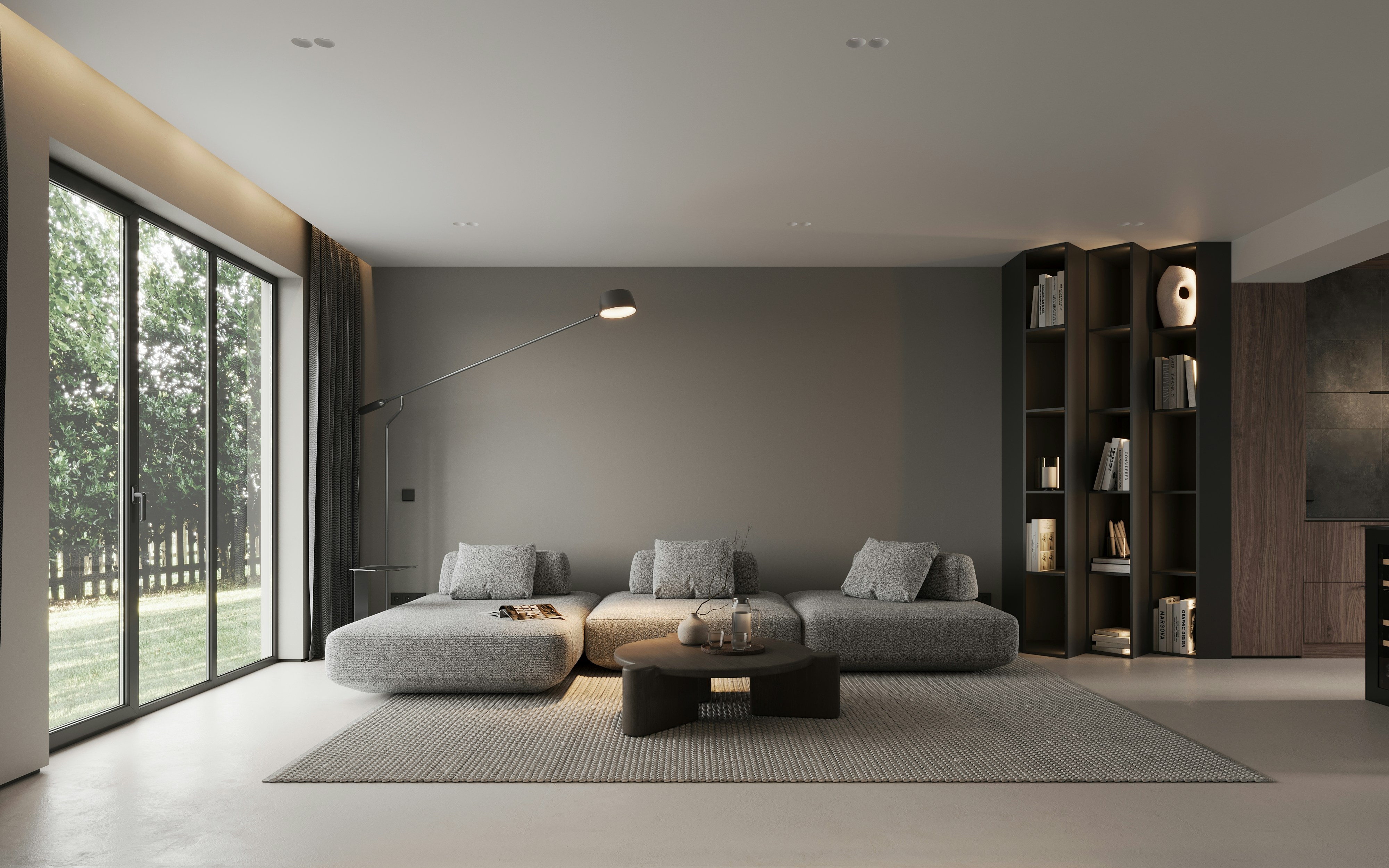
The Challenge: Before
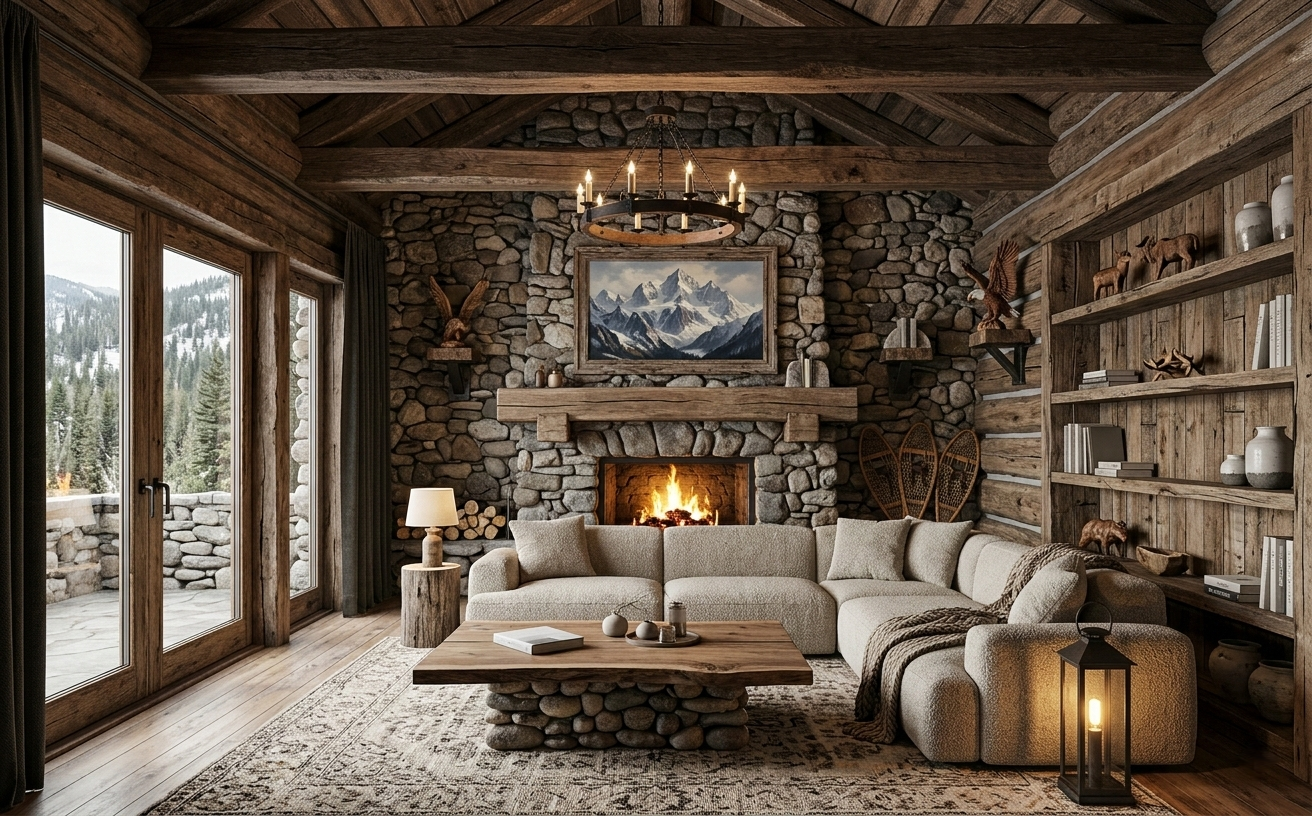
The Transformation: After (AI Generated)
AI Rustic Designer - Create Cozy Cabin Interiors (2026)
Rustic interior design celebrates connection to nature, handcrafted authenticity, and rugged beauty through abundant use of natural materials including wood, stone, and organic textiles creating warm, inviting spaces that feel grounded in the natural world. The aesthetic emerged from necessity in frontier and mountain settings where builders used locally available materials and practical construction methods resulting in exposed beams, stone fireplaces, and wood-dominant interiors that have since become intentional design choices valued for their character and warmth. Unlike styles emphasizing polish and refinement, rustic design embraces imperfection, rough textures, and visible age as desirable qualities communicating authenticity and connection to natural materials' inherent beauty. The style particularly appeals to people seeking refuge from urban life, wanting vacation homes embodying relaxation and nature immersion, or bringing outdoor-inspired warmth into primary residences regardless of geographic location. What makes rustic design challenging involves achieving the right balance where natural materials create cozy warmth without feeling dark or oppressive, where rough textures add character without appearing unfinished, and where casual comfort doesn't descend into sloppy informality. AI rustic designers help you navigate these nuances, showing you how to layer wood and stone effectively, incorporate rustic elements without overwhelming spaces, and create environments feeling authentically rustic rather than theme-park cabin or overly styled lodge decoration divorced from rustic design's essential honesty and connection to nature.
Understanding Rustic Design Philosophy
Rustic design philosophy values authenticity and natural materials over artificial finishes and manufactured perfection. The aesthetic celebrates wood showing knots, grain variations, and natural imperfections rather than uniform surfaces. Stone displays natural color variations and irregular shapes rather than precise cutting and matching. Textiles include natural fibers with visible weaves and texture rather than synthetic smoothness. This embrace of imperfection reflects philosophical stance that nature's irregularity possesses inherent beauty that human manipulation cannot improve, with rustic design showcasing rather than concealing materials' natural character. The approach also suggests sustainability through use of local, natural materials requiring minimal processing rather than energy-intensive manufacturing creating uniform products divorced from natural origins.
Connection to place and environment drives rustic design's emphasis on local materials and regional building traditions. Traditional rustic buildings used whatever materials existed locally whether timber in forested regions, stone in mountainous areas, or adobe in desert climates. This localism created regional variations in rustic style reflecting different geographic contexts and available resources. Contemporary rustic design often references these regional traditions even when actual material sourcing spans broader geography, with mountain rustic differing from southwestern rustic or coastal rustic through material choices, color palettes, and decorative elements reflecting different natural environments. Understanding these regional variations helps create rustic spaces feeling appropriate to their contexts rather than generic cabin aesthetic divorced from specific place.
Comfort and coziness receive paramount importance in rustic interiors through soft upholstery, warm lighting, abundant textiles, and furniture arrangements encouraging relaxation and gathering. The aesthetic rejects formal stiffness in favor of casual welcome, with furniture inviting use rather than preservation. Overstuffed chairs beckon lounging. Large sofas accommodate multiple people and pets. Fireplaces provide focal points for gathering and warmth. These comfort priorities reflect rustic design's association with vacation homes, lodges, and retreats where relaxation and escape from daily pressures motivate design choices. Even rustic primary residences typically emphasize casual comfort over formal entertaining, with the style communicating that inhabitants prioritize authentic living over impressive display.
Handcrafted character distinguishes rustic from more industrial or manufactured aesthetics through appreciation for artisan work, visible construction methods, and objects showing maker's hand rather than machine precision. Furniture might display tool marks, hand-hewn surfaces, or irregular joinery celebrating craftsmanship rather than hiding construction. Textiles include hand-woven or hand-stitched elements. Accessories feature pottery, baskets, and objects with handmade character. This artisan emphasis aligns with values around supporting traditional crafts, appreciating skilled work, and rejecting mass production's uniformity in favor of unique items possessing individual character and history. The handcrafted quality also contributes to rustic spaces feeling collected and personal rather than purchased complete from single retail source.
Signature Elements of Rustic Design
Exposed Wood Beams and Structural Elements
Exposed wooden beams, whether original structural elements or added decoratively, represent rustic design's most iconic feature creating visual drama while celebrating construction's honest display. Ceiling beams draw eyes upward adding architectural interest to otherwise plain ceilings while their rough-hewn or hand-hewn character contributes authentic rustic texture. The beams might be dark stained creating strong contrast against lighter ceilings or natural wood tones coordinating with other wood elements throughout spaces. Structural posts and columns similarly remain exposed rather than enclosed, acknowledging building's bones while adding vertical visual elements organizing and defining spaces.
In homes lacking original exposed structure, beams can be added through various methods including reclaimed wood providing authentic age and weathering, new wood treated or finished to appear aged, or even faux beams made from polyurethane or other materials convincingly mimicking wood appearance at lower cost and weight. The installation involves careful planning ensuring beams appear structurally logical rather than randomly applied decoration. Proper beam placement follows typical construction patterns, runs in sensible directions relative to room proportions, and relates appropriately to actual ceiling structure. AI helps visualize how different beam quantities, sizes, and arrangements affect spaces before committing to installation work that proves difficult to reverse if results disappoint.
Stone Fireplaces and Accents
Stone fireplaces anchor rustic living spaces providing functional warmth alongside powerful visual focal points demonstrating nature's beauty through varied colors, textures, and irregular forms. The stone might be stacked fieldstone showing rounded river rocks, ledgestone creating horizontal lines, or larger cut stones with more formal appearance while maintaining natural character. Stone extends floor to ceiling creating dramatic vertical elements while surrounding hearths establish gathering areas central to rustic living. Wood mantels, often substantial rough-hewn beams, top stone surrounds providing display surfaces while adding additional rustic texture and visual weight.
Beyond fireplaces, stone appears throughout rustic interiors on accent walls, around doorways, on kitchen backsplashes, and in bathroom applications bringing natural texture and earthiness to multiple spaces. Exterior stone continues inside blurring boundaries between indoor and outdoor environments. Stone floors in entries, bathrooms, or kitchens provide durable surfaces with organic beauty. The stone variety, color, and installation patterns should coordinate throughout homes creating cohesion rather than using completely different stone types room to room creating visual confusion. Contemporary rustic sometimes uses stone more sparingly as accents rather than extensively throughout, with AI showing different application levels helping you determine appropriate quantity for your specific space and aesthetic goals.
Wood Walls, Ceilings, and Floors
Wood dominates rustic interiors through extensive use on walls, ceilings, and floors creating warmth and texture that painted drywall cannot provide. Tongue-and-groove pine or cedar paneling covers walls bringing natural grain patterns and honey tones. Wood plank ceilings add interest overhead while their visual texture prevents ceilings from disappearing. Wide plank floors in oak, pine, or reclaimed wood provide foundation with character through knots, grain variations, and in older wood, existing wear patterns and nail holes contributing authentic age. This wood abundance creates enveloping warmth though requires balance preventing spaces from feeling too dark or wood-saturated requiring relief through lighter elements.
Wood treatments in rustic spaces typically showcase natural character through clear finishes, light stains, or natural aging rather than heavy stains obscuring grain or painted surfaces covering wood entirely. The goal involves revealing rather than concealing wood's inherent beauty with its organic patterns, color variations, and unique characteristics. Mixing different wood species and tones adds interest preventing monotony, though too much variety can create visual chaos. Successful rustic wood use balances abundant wood presence with adequate lighter elements preventing caves while maintaining wood's essential dominance. AI demonstrates how different wood coverage levels affect spaces, showing when additional wood enhances versus when it tips into overwhelming darkness requiring alternative approaches.
Heavy, Substantial Furniture
Rustic furniture features substantial construction often from solid wood with visible joinery, oversized proportions, and sturdy presence communicating permanence and durability. Dining tables might be thick planks on heavy legs. Sofas and chairs include deep seats and chunky frames. Beds feature log or timber frames with substantial headboards. This generous scale suits rustic design's association with mountain lodges and large-scale architectural elements like exposed beams requiring furniture with enough visual weight avoiding appearing lost in voluminous spaces. The substantial furniture also reinforces rustic values around quality, longevity, and honest construction rather than flimsy contemporary alternatives.
Furniture finishes tend toward natural wood tones, distressed surfaces showing age and wear, or painted finishes with intentional distressing revealing wood underneath. The imperfect surfaces contribute rustic character while suggesting furniture has history and stories rather than being brand new from retail stores. Upholstery typically uses leather, canvas, wool, or other durable natural materials in earth tones, plaids, or native-inspired patterns rather than delicate fabrics or bright colors that wouldn't suit rustic's rugged character. The furniture should appear comfortable and inviting despite substantial scale, with deep cushions and soft upholstery balancing heavy frames creating pieces genuinely pleasant for extended use.
Natural Textures and Organic Materials
Rustic design celebrates textural variety through natural materials including rough wood, smooth stone, woven textiles, animal hides, and organic fibers creating tactile richness and visual interest. Cowhide rugs add pattern and softness. Wool throws provide warmth and texture. Jute or sisal rugs contribute natural fiber. Fur or sheepskin accents add luxury and comfort. Woven baskets provide storage with handcrafted character. These varied textures prevent rustic spaces from feeling flat or one-dimensional while their natural origins reinforce connections to organic world and traditional crafts predating industrial manufacturing.
The textural layering also serves practical purposes making rustic interiors more comfortable and livable. Hard wood and stone surfaces require softening through textiles for acoustic dampening, warmth underfoot, and sitting comfort. Multiple texture layers create visual complexity and interest that smooth, uniform surfaces cannot provide. The varied textures appeal to multiple senses beyond just vision, creating environments that feel rich and engaging rather than merely looking attractive. Contemporary rustic sometimes restrains texture quantity preventing overwhelming sensory input while maintaining enough variety for characteristic rustic warmth and organic character.
Earth Tone Color Palettes
Rustic color schemes draw from nature emphasizing browns, tans, greens, reds, and oranges in warm, muted tones rather than bright saturated colors or cool industrial palettes. These earth tones coordinate naturally with wood and stone's natural colors while evoking forests, mountains, desert, or other natural environments. The colors appear through wood tones themselves, stone variations, upholstery selections, textile colors, and paint choices on walls or trim. Occasional brighter accents in red, orange, or turquoise might reference Native American or southwestern influences but typically stay within warm, organic range rather than introducing cool or artificial colors that would conflict with rustic's natural character.
The warm earth palette creates psychologically comforting spaces feeling grounded and stable rather than cool or energizing. The colors also age gracefully without feeling dated since they reference timeless natural world rather than temporary design trends. This color approach works particularly well in mountain, forest, or rural settings where indoor colors coordinate with surrounding landscape views, though rustic earth tones also bring natural warmth to urban or suburban homes providing psychological refuge from concrete environments. AI shows how different earth tone combinations and intensities affect spaces helping you select palette matching your aesthetic preferences while maintaining rustic's essential natural, warm character.
Wildlife and Nature-Inspired Decor
Rustic spaces often incorporate wildlife imagery and nature-inspired decoration including antlers, wildlife art, botanical prints, animal sculptures, and nature photography celebrating connection to wilderness and outdoor pursuits. These elements reference rustic design's association with hunting lodges, fishing camps, and mountain retreats where relationship with nature and wildlife forms central lifestyle component. The wildlife references should demonstrate taste and restraint rather than overwhelming through excessive taxidermy or kitschy animal figurines that can make spaces feel more gift shop than home.
Contemporary rustic sometimes uses wildlife elements more sparingly through single statement piece like mounted antlers or quality wildlife photography rather than abundant animal themes throughout. The nature connection can also manifest through live plants, botanical displays, or collections of natural objects like rocks, pinecones, or driftwood bringing organic forms indoors without literal animal references. This editing prevents rustic from becoming thematic or excessive while maintaining essential connection to natural world distinguishing rustic from other aesthetics. AI helps visualize appropriate wildlife and nature element density showing when these references enhance versus when they cross into overdone territory requiring restraint.
Warm, Ambient Lighting
Lighting in rustic spaces emphasizes warm tones through amber bulbs, warm LEDs, and fixtures creating soft ambient glow rather than bright task lighting. Chandeliers might feature wrought iron, antlers, or wood creating organic forms while providing general illumination. Table and floor lamps use bases made from logs, antlers, pottery, or metal with shades in natural materials casting warm light. Wall sconces provide accent lighting while their rustic forms contribute decoration. Candles and lanterns add supplementary lighting while their flickering flames create cozy atmosphere perfect for rustic settings.
The lighting design avoids harsh overhead fluorescents or bright whites that would feel institutional rather than cozy. Multiple light sources at various heights create layered illumination suitable for different activities and times while dimmers allow brightness adjustment matching moods from bright enough for reading to soft ambiance for relaxation. The fixtures themselves become decorative elements through organic forms, natural materials, and rustic character contributing to overall aesthetic while providing essential function. This lighting approach creates spaces feeling warm and inviting rather than cold or clinical, supporting rustic design's essential comfort and coziness goals.
Plaid, Wool, and Native Patterns
Textiles in rustic spaces often feature plaid patterns, wool materials, and Native American-inspired designs contributing traditional character and cozy warmth. Plaid appears on throw pillows, blankets, upholstery, and curtains in earth-tone combinations like red and black buffalo check or brown and tan tartans. Wool provides tactile warmth through throws, pillows, and area rugs. Southwestern or Native-inspired geometric patterns add visual interest while referencing regional rustic traditions. These textile patterns coordinate naturally with rustic's wood and stone base while adding color, softness, and visual complexity to otherwise hard surfaces.
The patterns typically stay within organic, traditional range avoiding contemporary graphics or tropical prints that would conflict with rustic character. Multiple patterns can layer successfully when sharing color palettes and varying scales preventing visual competition. The textiles also serve practical purposes providing warmth, softness, and acoustic dampening in spaces dominated by hard wood and stone surfaces. Quality natural fiber textiles age well developing character rather than deteriorating quickly, aligning with rustic values around durability and lasting materials. Contemporary rustic sometimes uses patterns more sparingly through solid textiles with texture rather than pattern providing visual interest without busyness.
How to Use AI for Rustic Design
Specifying Your Rustic Interpretation
Before generating AI rustic designs, clarify which rustic style appeals to you since the aesthetic encompasses variations from mountain lodge to southwestern ranch to lakeside cabin each with distinctive characteristics. Specify whether you want traditional rustic with abundant wood and wildlife elements or contemporary rustic with cleaner interpretation. Mention specific regional influences or material preferences helping AI generate designs matching your actual rustic vision rather than generic cabin aesthetic that might not suit your taste or geographic context. These directional inputs create more relevant visualizations serving your specific rustic goals.
Balancing Wood and Lighter Elements
Use AI to test different wood densities from heavily wood-dominant with walls, ceilings, and floors all featuring wood to more balanced approaches mixing wood with painted surfaces or stone. Generate multiple versions seeing how wood quantity affects space's warmth, brightness, and character. Many people discover they want substantial wood presence without total wood saturation that can feel dark or cave-like. AI shows various balances helping you find appropriate wood level for your space's natural light, ceiling height, and personal preference preventing either insufficient rustic character or overwhelming darkness.
Testing Stone Application Levels
Request AI designs showing different stone applications from dramatic floor-to-ceiling fireplace surrounds with extensive stone throughout to more restrained use as accents. See how stone quantity affects room's character, heaviness, and cost since extensive stone installation involves significant expense. Evaluate whether your space and budget support substantial stone features or if selective application achieves desired rustic character more practically. The visualization helps you understand stone's impact before committing to expensive installation that proves difficult to modify if results don't match expectations.
Evaluating Furniture Scale
Ask AI to show rustic furniture at different scales since substantial rustic pieces suit large rooms with high ceilings but can overwhelm smaller spaces. Generate options with appropriately scaled furniture for your actual room dimensions seeing whether chunky log furniture works or if more moderate proportions maintain rustic character without overwhelming. The visualization reveals whether your space supports traditional rustic furniture's generous scale or requires more compact pieces maintaining rustic aesthetic through materials and finishes rather than massive proportions.
Considering Architectural Context
Rustic design works most naturally in actual cabins, mountain homes, lodges, or rustic-style construction but can feel forced in contemporary glass houses or formal traditional architecture. Request AI designs showing rustic elements in your actual architectural context revealing whether the style enhances or conflicts with your home's inherent character. Sometimes rustic influences through furniture, textiles, and accessories work while full architectural rustic treatment fights incompatible building bones. Understanding this compatibility prevents expensive mistakes pursuing styles your home cannot authentically support.
Planning for Maintenance Realities
Consider maintenance implications when reviewing AI rustic designs since natural materials, extensive wood, and stone require more upkeep than minimal contemporary alternatives. Wood needs periodic refinishing. Stone requires sealing. Textiles collect dust and pet hair. Real fireplaces need cleaning and maintenance. Evaluate whether you're committed to this maintenance or if lower-maintenance rustic-influenced design serves better. AI can't show maintenance requirements but can help you understand whether your rustic vision's material and finish choices align with your actual willingness and ability to maintain them long-term.
Common Rustic Design Mistakes
Too Dark and Cave-Like
Excessive wood on walls, ceilings, and floors combined with dark stains and inadequate lighting creates oppressively dark spaces rather than cozy warmth. The abundance that makes rustic appealing requires balance through lighter elements, adequate lighting, and appropriate wood tones preventing cave-like atmosphere. AI shows whether your planned wood quantity and finishes create warm richness or cross into uncomfortable darkness requiring adjustment through lighter wood tones, painted surfaces, or improved lighting preventing spaces from feeling gloomy despite rustic character.
Theme Park Cabin Overdone
Accumulating excessive rustic clichés including abundant antlers, wildlife everywhere, wagon wheel chandeliers, and every possible cabin accessory creates themed spaces rather than authentic rustic. Real rustic homes evolved organically incorporating meaningful pieces rather than purchasing complete cabin aesthetic from retail stores. Successful rustic uses wildlife and wilderness elements selectively as accent notes rather than overwhelming themes. AI reveals whether your planned elements create authentic character or cross into kitschy territory requiring editing for sophisticated rather than themed result.
Mismatched Regional Styles
Mixing incompatible regional rustic styles like combining southwestern adobe and Native patterns with mountain lodge antlers and log furniture creates confused aesthetic lacking cohesion. Each rustic regional variation has characteristic materials, colors, and decorative elements that should remain consistent throughout spaces. AI helps identify whether your rustic selections coordinate within single regional interpretation or accidentally mix incompatible influences requiring editing for better cohesion and authenticity.
Uncomfortable Furniture
Some rustic furniture prioritizes appearance over comfort with chairs and sofas featuring hard surfaces or awkward proportions. Pursuing authentic log furniture aesthetic while sacrificing comfortable cushioning or proper ergonomics creates spaces that look rustic but fail functionally for daily living. Successful rustic balances rugged appearance with genuine comfort through adequate cushioning, proper proportions, and quality construction. AI helps evaluate whether furniture appears adequately comfortable or if rustic character sacrifices too much practical comfort requiring different selections.
Fighting Inappropriate Architecture
Attempting full rustic treatment in modern glass houses, formal traditional homes, or contemporary urban apartments often feels forced and unconvincing. Rustic works best with compatible architecture including actual cabins, mountain homes, or buildings with appropriate proportions and details. When your home's architecture doesn't support rustic, consider lighter influences through furniture, textiles, and accessories rather than fighting against building's inherent character through expensive additions that never feel authentic in their context.
Neglecting Contemporary Comfort
Pursuing historical rustic accuracy while ignoring contemporary comfort standards, adequate storage, proper lighting, or technology integration creates beautiful spaces that don't serve modern living. Successful rustic adapts traditional aesthetics to contemporary lifestyles incorporating modern conveniences while maintaining essential rustic character. AI helps balance authentic rustic elements with practical modern requirements ensuring spaces function well for actual daily life rather than existing as rustic displays requiring inhabitants to sacrifice comfort for aesthetics.
Transform Your Space with Rustic Design
Rustic interior design offers warm, authentic aesthetic celebrating natural materials, handcrafted character, and connection to wilderness creating spaces that feel grounded, comfortable, and refuges from modern life's complexity. Whether you embrace full lodge rustic or incorporate selective natural elements, the style's emphasis on organic materials, honest construction, and cozy comfort creates interiors with enduring appeal transcending temporary trends. AI rustic designers help you visualize how wood, stone, and natural textures work in your actual spaces, understand appropriate element density preventing overwhelming darkness, and find proper balance between authentic rustic character and livable contemporary comfort before investing significantly in materials, finishes, and furniture pursuing this distinctive and popular aesthetic.
Your Rustic Design Journey:
Start by identifying which rustic interpretation resonates most whether mountain lodge, southwestern ranch, lakeside cabin, or other regional variation. Photograph your current spaces noting ceiling heights, natural light quality, and architectural features either supporting or resisting rustic treatment. Upload photos to HouseGPTs rustic designer specifying your preferred rustic style, wood and stone preferences, and desired character level. Generate multiple designs testing different material densities, furniture scales, and decoration approaches finding your ideal rustic balance.
Use visualizations when planning materials and furniture ensuring selections create authentic rustic character without overwhelming through excessive wood, stone, or themed decoration. Consider starting with foundational rustic elements like wood floors or stone fireplace, then adding furniture and textiles gradually allowing authentic accumulation rather than instant cabin transformation. Remember that successful rustic balances natural materials' warmth and beauty with adequate light, comfort, and livability supporting modern lifestyles rather than recreating historical frontier conditions divorced from contemporary needs and expectations.
Create Your Rustic Retreat
Upload your room photo and see rustic transformations from mountain lodge to lakeside cabin. Discover how natural materials create cozy warmth in your space.
Related Rustic Design Resources
Ready for Your Own AI Redesign?
Start Designing with AI →FAQs about AI Rustic Designer - Create Cozy Cabin Interiors (2026)
Everything you need to know
Can AI design rustic interiors?
Yes. AI rustic designers create cozy cabin-style interiors featuring exposed wood beams, stone fireplaces, wood walls/ceilings/floors, heavy substantial furniture, natural textures, earth tone colors, wildlife decor, and warm ambient lighting. Upload your room photo, specify rustic style preference (mountain lodge, southwestern, lakeside cabin), and receive photorealistic designs in 30 seconds showing how to achieve authentic rustic character with natural materials and cozy warmth.
What is rustic interior design?
Rustic design celebrates natural materials and connection to nature through abundant wood (exposed beams, walls, ceilings, floors), stone fireplaces and accents, heavy wood furniture, rough textures, earth tone colors (browns, tans, greens, reds), wildlife and nature decor, organic textiles (wool, leather, hide), warm lighting, and handcrafted character. The style embraces imperfection and age as desirable, values authenticity over polish, and creates cozy, casual spaces feeling grounded in the natural world.
What colors are rustic style?
Rustic colors are warm earth tones drawn from nature: browns, tans, beiges, forest greens, rust reds, burnt oranges, warm grays, and natural wood tones. These muted organic colors coordinate with wood and stone's natural colors while evoking forests, mountains, or desert landscapes. Occasional brighter accents in red, orange, or turquoise might appear especially in southwestern rustic. The warm palette creates psychologically comforting spaces feeling grounded and stable.
What is the difference between rustic and farmhouse?
Rustic emphasizes natural wood (often logs or rough-hewn), stone, darker tones, mountain/lodge character, wildlife elements, and cabin aesthetic. Farmhouse features painted furniture, shiplap, lighter colors (whites, soft blues), agricultural references, and more refined/updated interpretation. Rustic leans heavier and more rugged. Farmhouse feels lighter and more domesticated. Both celebrate natural materials but rustic maintains rawer, less polished character. AI shows both approaches revealing the distinction.
How do you make a room look rustic?
Make rooms rustic by: using natural wood extensively (beams, paneling, floors), incorporating stone (fireplace, accent walls), choosing heavy wood furniture with visible grain, layering natural textures (wool, leather, jute, hide), using earth tone colors, adding wildlife or nature elements sparingly, installing warm ambient lighting, including handcrafted accessories, and embracing imperfection through distressed finishes or aged materials. AI shows these elements combined in your specific space.
Can rustic design work in modern homes?
Rustic works best in appropriate architectural contexts (actual cabins, mountain homes, rustic construction) but selective rustic elements can incorporate into modern homes through furniture, materials, and accessories. Full rustic treatment in glass contemporary houses or formal architecture often feels forced. Consider rustic-modern fusion using natural materials with cleaner execution, or add rustic touches through furniture and textiles without architectural rustic elements. AI shows whether rustic enhances or fights your home's architecture.
What furniture is rustic style?
Rustic furniture features heavy substantial construction from solid wood with visible grain, knots, and natural character. Includes log or timber frame beds, thick plank dining tables on heavy legs, deep overstuffed sofas and chairs with chunky frames, natural wood finishes or intentional distressing, leather or canvas upholstery, and oversized proportions. Furniture appears handcrafted rather than mass-produced, durable rather than delicate, comfortable rather than formal.
Is rustic design expensive?
Rustic can range from budget-friendly to expensive. Stone fireplaces and extensive wood installation cost significant money. Quality solid wood furniture and authentic materials involve investment. However, rustic embraces reclaimed materials, DIY projects, and vintage finds offering budget options. The style's acceptance of imperfection and aged character means you needn't buy everything new. AI helps visualize rustic at different budget levels showing where to invest for maximum impact versus where to economize.