AI Scandinavian Designer - Create Cozy Nordic Interiors (2026)
Article Contents
- Understanding Scandinavian Design Philosophy
- Core Elements of Scandinavian Interior Design
- White Walls as Foundation
- Light Wood Furniture and Floors
- Functional, Comfortable Furniture
- Layered Textiles for Warmth
- Natural Light Maximization
- Warm, Layered Lighting
- Minimal Decoration, Purposeful Objects
- Plants as Living Elements
- Quality Over Quantity
- Room-by-Room Scandinavian Design
- Scandinavian Living Room
- Scandinavian Kitchen
- Scandinavian Bedroom
- Scandinavian Dining Room
- Scandinavian Bathroom
- How to Use AI for Scandinavian Design
- Specifying Authentic Scandinavian Elements
- Balancing Simplicity with Warmth
- Testing Color Introduction
- Evaluating Furniture Scale and Comfort
- Considering Seasonal Variations
- Common Scandinavian Design Mistakes
- Too Cold and Sterile
- Insufficient Lighting Layers
- Neglecting Comfort for Aesthetic
- Over-Minimizing
- Missing Natural Material Warmth
- Transform Your Space with Scandinavian Design
- Your Scandinavian Design Journey:
- Related Scandinavian Design Resources
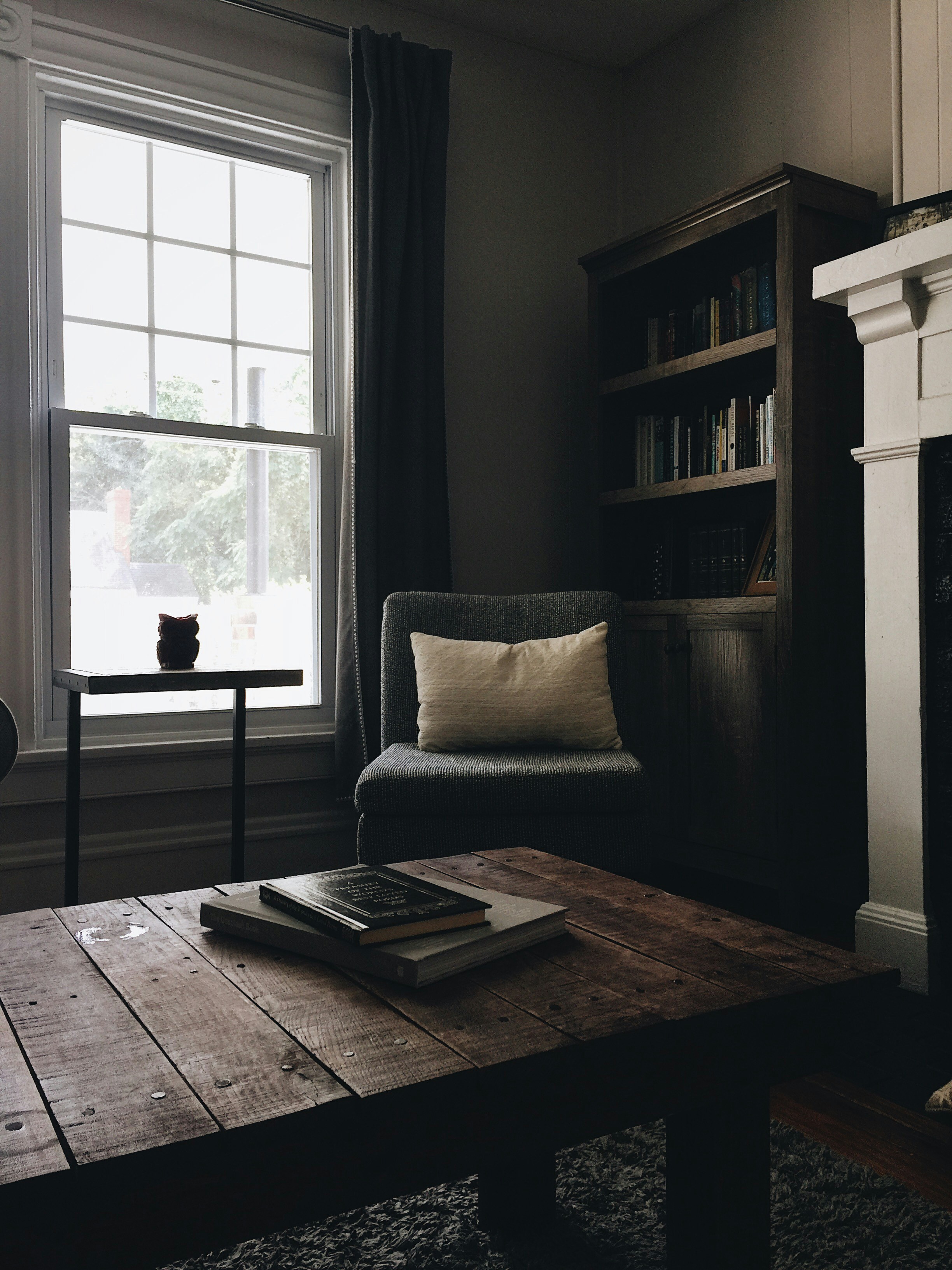
The Challenge: Before
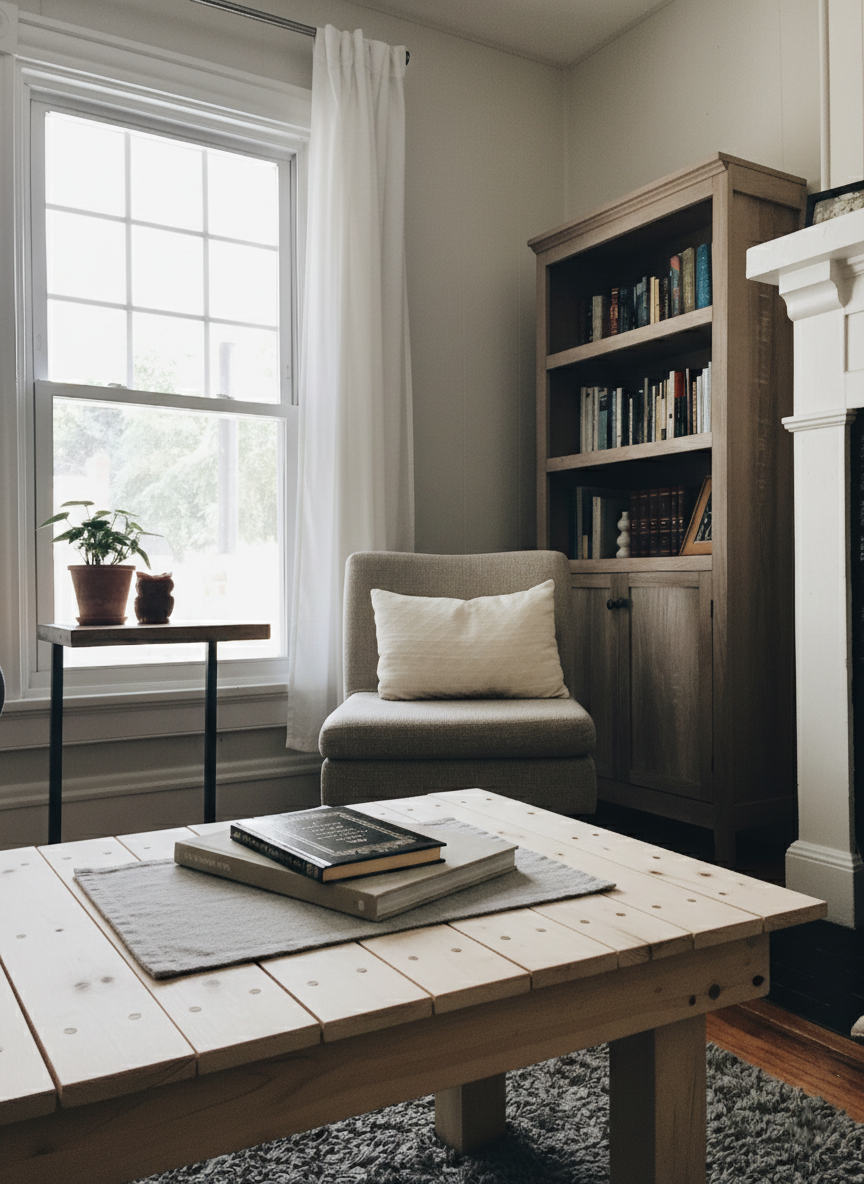
The Transformation: After (AI Generated)
AI Scandinavian Designer - Create Cozy Nordic Interiors (2026)
Scandinavian design has dominated global interior aesthetics for decades, evolving from regional style into universal language of comfortable, functional beauty. The approach emerged from Nordic countries where long, dark winters demanded interiors that maximize limited natural light while creating psychological warmth against harsh climates. What distinguishes Scandinavian design from pure minimalism involves its commitment to livability alongside restraint. These aren't sparse, cold spaces but rather thoughtfully edited rooms emphasizing natural materials, soft textiles, and genuine comfort. The aesthetic celebrates craftsmanship, embraces imperfection, and prioritizes function without sacrificing beauty. AI Scandinavian designers help you capture this delicate balance between simplicity and warmth, showing you how to create spaces that feel both serene and welcoming rather than choosing between aesthetic purity and comfortable living.
Understanding Scandinavian Design Philosophy
Scandinavian design philosophy rests on several interconnected principles shaped by Nordic geography, climate, and cultural values. The region experiences extreme seasonal light variation, with summer days stretching endlessly while winter brings prolonged darkness. This reality drove design emphasis on maximizing natural light through white walls, large windows, minimal window treatments, and reflective surfaces. Light becomes precious commodity to be captured, bounced, and preserved throughout spaces. The cultural tradition of spending significant time indoors during winter months necessitated creating environments that remain psychologically comfortable across seasons rather than serving purely aesthetic purposes divorced from daily living requirements.
Democratic design principles deeply influence Scandinavian aesthetics through commitment to accessibility and quality for everyone rather than luxury reserved for wealthy classes. This manifests through focus on functional, well-made furniture at reasonable prices that lasts generations rather than disposable trends. Companies like IKEA, though often representing accessible rather than high-end Scandinavian design, emerged from these democratic ideals making good design available broadly. Even premium Scandinavian furniture maintains functional simplicity avoiding unnecessary ornamentation that increases cost without improving utility. The philosophy suggests everyone deserves beautiful, functional spaces supporting good living regardless of economic status.
Connection to nature permeates Scandinavian design through material choices, color palettes, and integration of natural elements. Wood appears extensively, typically in lighter tones like birch, ash, and pine rather than dark mahogany or walnut. These pale woods reflect light while connecting interior spaces to Nordic forests defining the landscape. Natural textiles including linen, wool, and cotton feature prominently. Plants integrate throughout spaces bringing life and organic forms into otherwise controlled environments. Color palettes draw from Nordic landscapes with whites echoing snow, grays reflecting stone and sea, blues suggesting water and sky, and greens capturing forest and lichen. This nature connection grounds the aesthetic in authenticity rather than artificial trends.
The concept of hygge, though Danish specifically, influences broader Scandinavian design by emphasizing coziness, contentment, and well-being through environmental design. Hygge acknowledges that physical spaces profoundly affect emotional states and quality of life. Creating hyggelig environments involves layering soft textiles, incorporating warm lighting through candles and lamps, ensuring comfortable seating that invites lingering, and establishing intimate spaces within larger rooms. This attention to emotional experience distinguishes Scandinavian design from purely aesthetic minimalism that can feel cold despite visual appeal. The goal involves crafting spaces where people genuinely want to spend time rather than rooms that merely photograph well.
Core Elements of Scandinavian Interior Design
White Walls as Foundation
White walls serve as nearly universal Scandinavian design foundation, though not from lack of imagination but from practical necessity and aesthetic choice. In regions with limited natural light during winter months, white walls maximize light reflection throughout spaces, making interiors feel brighter and larger than colored walls would allow. The white provides neutral backdrop letting furniture, textiles, and natural materials become visual focus without competing against patterned or colored backgrounds. This doesn't mandate stark pure white but rather encompasses warm whites, off-whites, and very pale grays that maintain brightness while adding subtle warmth preventing institutional coldness.
The white wall tradition also reflects practical Scandinavian values around maintenance and longevity. White paint remains timeless, never dating itself to specific periods unlike trendy colors that announce when rooms were decorated. White works with any furniture or textile colors allowing flexibility as tastes evolve or families grow. Repainting remains simple since white covers well and requires less precision matching than specific colors. These practical considerations align with Scandinavian emphasis on sensible choices that serve long-term rather than following momentary trends requiring constant updates and expenditure.
Light Wood Furniture and Floors
Light-toned woods including birch, ash, pine, and beech dominate Scandinavian furniture and flooring, creating warmth while maintaining the bright, airy quality essential to the aesthetic. These pale woods reflect more light than dark alternatives, contributing to overall room brightness crucial for spaces experiencing limited natural light seasonally. The wood grain provides subtle visual interest and organic texture preventing all-white rooms from feeling sterile despite restrained color palette. Scandinavian design celebrates wood's natural character through clear finishes or light oils revealing grain patterns rather than heavy stains obscuring material authenticity.
Furniture construction typically features exposed wood frames with clean, simple joinery visible rather than hidden. This honest construction reflects Scandinavian values around authenticity and craftsmanship while creating furniture that feels approachable rather than precious. Chairs show their wooden legs and arms. Tables display their solid wood tops and visible joints. Sofas rest on exposed wooden bases rather than hiding structure beneath upholstery skirts. This transparency about construction methods aligns with broader cultural values around honesty and directness extending beyond design into social interactions and business practices.
Functional, Comfortable Furniture
Scandinavian furniture prioritizes genuine comfort and practical function over purely aesthetic considerations. Sofas and chairs must actually be pleasant for extended sitting during long winter evenings rather than just looking attractive. Dining chairs need proper back support for lengthy meals and conversations. Beds require quality mattresses and supportive frames rather than sacrificing comfort for style. This functional emphasis doesn't mean sacrificing beauty but rather insists that beautiful furniture must also serve its purpose excellently. The idea that you shouldn't need to choose between comfort and aesthetics pervades Scandinavian design philosophy.
Scale and proportion receive careful attention ensuring furniture fits human bodies comfortably and relates properly to room dimensions. Pieces aren't oversized or undersized but rather appropriately scaled for both users and spaces. Seating heights, table proportions, and storage accessibility all consider actual human use rather than abstract aesthetic ideals. This human-centered approach creates rooms that work for daily living rather than existing as styled vignettes requiring inhabitants to adapt to furniture rather than furniture serving inhabitants. The result feels effortlessly livable because genuine thought went into how people actually use their homes.
Layered Textiles for Warmth
Textiles provide essential warmth balancing Scandinavian design's clean lines and pale palette. Wool throws drape over sofas. Sheepskin rugs layer over wood floors. Linen curtains soften windows. Cotton and linen pillows add softness to seating. These natural-fiber textiles introduce tactile richness and visual softness preventing spaces from feeling too hard or cold despite minimal decoration and restrained color schemes. The textiles also provide practical warmth during cold months while remaining breathable and appropriate for warmer seasons.
Color introduction often happens through textiles rather than permanent elements like paint or furniture. A neutral sofa might gain personality through textured throw pillows in soft blues, warm grays, or muted greens. White beds come alive with layered linens in natural tones. This textile-based color allows easy seasonal changes or style updates without major renovation or furniture replacement. Winter might emphasize heavier wools in deeper tones while summer shifts toward lighter linens in pale colors. This flexibility aligns with Scandinavian practical nature while accommodating human need for variety and change.
Natural Light Maximization
Scandinavian interiors treat natural light as precious resource to be captured and distributed throughout spaces. Window treatments remain minimal or absent entirely where privacy permits, allowing maximum daylight penetration. Windows stay large and unobstructed. Mirrors placed strategically reflect and multiply available light. Glass doors between rooms permit light to flow through entire homes rather than being trapped in individual spaces. Room layouts consider light paths ensuring main living areas receive best natural illumination. This light obsession makes practical sense in climates with limited winter daylight but also creates psychologically uplifting spaces regardless of geography.
Warm, Layered Lighting
Artificial lighting in Scandinavian interiors involves multiple sources at various heights creating warm, adjustable ambiance rather than relying on harsh overhead fixtures. Table lamps, floor lamps, and pendant lights combine providing layered illumination that can be adjusted for different times of day and activities. Candles feature prominently adding warm, flickering light that creates immediate coziness and hygge atmosphere. Light sources typically use warm color temperatures rather than cool whites, preventing interiors from feeling clinical despite predominantly white and neutral palette. Dimmers allow brightness adjustment matching mood and natural light levels throughout day and seasons.
Minimal Decoration, Purposeful Objects
Scandinavian spaces avoid excessive decoration but aren't devoid of personality or personal items. Decoration that does appear serves clear purpose whether functional, meaningful, or beautiful, ideally combining multiple qualities. A ceramic vase might hold flowers while demonstrating craftsmanship and adding sculptural interest. A woven basket provides practical storage while contributing texture and natural material warmth. Family photographs displayed thoughtfully add personal connection without cluttering surfaces. This selective approach to decoration maintains visual calm while allowing spaces to feel inhabited and loved rather than staged or impersonal.
Plants as Living Elements
Plants integrate throughout Scandinavian interiors bringing life, color, and organic forms into otherwise controlled environments. From small succulents on windowsills to substantial fiddle-leaf figs in corners, greenery adds vitality and connection to nature that purely architectural and furniture elements cannot provide. Plants also improve air quality and provide psychological benefits through nurturing living things and maintaining connection to natural cycles despite indoor living. The plant selection typically favors simple presentation in neutral planters rather than elaborate containers that might compete visually with the plants themselves or surrounding decor.
Quality Over Quantity
Scandinavian design philosophy emphasizes owning fewer things of higher quality rather than accumulating abundant mediocre possessions. This manifests through investment in well-made furniture expected to last decades rather than disposable pieces requiring frequent replacement. A single excellent sofa receives priority over multiple cheap alternatives. Quality extends beyond construction to encompass timeless design that won't feel dated quickly. This approach aligns with environmental consciousness reducing waste through longevity while creating more satisfying living environments through meaningful, lasting possessions rather than temporary trendy items lacking substance.
Room-by-Room Scandinavian Design
Scandinavian Living Room
Scandinavian living rooms balance social function with cozy retreat qualities. Seating arrangements facilitate conversation through sofas and chairs positioned to encourage interaction rather than all facing television. A light wood coffee table anchors the seating area while providing practical surface for drinks, books, and decorative objects. Textiles layer abundantly through throw pillows, blankets draped over sofa backs, and area rugs defining the space and adding warmth against wood floors. Lighting comes from multiple sources including floor lamps beside seating, table lamps on side tables, and perhaps candles on the coffee table creating adjustable ambiance. Plants add life typically through one or two substantial specimens rather than numerous small pots.
Storage integration maintains the clean aesthetic while accommodating life's necessary items. Low media consoles in light wood or white hide electronics and media while providing display surface for few meaningful objects. Closed cabinets or floating shelves keep clutter concealed while displaying select books or ceramics. The overall palette stays predominantly white and natural wood with color introduced through textiles in muted blues, soft grays, warm beiges, or dusty greens. The effect feels calm and uncluttered yet genuinely welcoming and comfortable for actual daily use rather than preservation.
Scandinavian Kitchen
Scandinavian kitchens emphasize functionality and cleanliness through white or very light cabinetry, often with simple shaker-style doors or completely flat fronts. Countertops might be white quartz, light wood butcher block, or pale marble maintaining the bright, clean aesthetic. Open shelving occasionally replaces some upper cabinets displaying everyday dishes in white or simple patterns accessible and visually light. Hardware remains minimal, sometimes absent entirely through push-to-open mechanisms, or present as simple metal pulls in brass, black, or stainless steel.
Natural materials ground the space preventing it from feeling too clinical. Wood cutting boards displayed on counters, wooden utensils in ceramic crocks, and perhaps a wooden dining table or breakfast bar add warmth. Plants on windowsills bring life and organic form. Pendant lights over islands or tables provide both task lighting and visual interest through simple globe shapes, industrial-inspired metal shades, or sculptural wooden designs. The kitchen functions as practical workspace while maintaining the calm, bright quality defining broader Scandinavian aesthetic throughout homes.
Scandinavian Bedroom
Scandinavian bedrooms prioritize rest and tranquility through calm color palettes, comfortable bedding, and minimal visual clutter. The bed typically features simple wooden or upholstered frame in neutral colors becoming room's focal point dressed with white or neutral linens layered with textured throws and pillows adding warmth and personality. Nightstands in light wood provide practical surfaces for lamps, books, and personal items while maintaining visual lightness. Lighting includes bedside lamps for reading plus perhaps string lights or candles creating ambient evening glow.
Storage remains concealed through built-in closets or simple dressers maintaining the serene, uncluttered atmosphere essential for good sleep. Minimal decoration might include single piece of artwork above the bed, small plant on dresser, or few meaningful personal objects. Window treatments stay simple allowing natural light while providing privacy, perhaps through sheer linen curtains or simple roller shades. The overall effect creates sanctuary supporting rest and restoration rather than stimulation, with every element chosen for contribution to peaceful atmosphere.
Scandinavian Dining Room
Scandinavian dining spaces celebrate gathering and shared meals through welcoming, comfortable arrangements. The dining table, typically light wood with simple clean lines, sizes appropriately for regular use with potential for expansion during entertaining. Chairs balance comfort with visual lightness, perhaps mixing wooden frame chairs with few upholstered pieces for variety and extra comfort at table ends. Overhead lighting through pendant fixture or simple chandelier provides focused illumination, often supplemented by candles on the table creating intimate atmosphere for evening meals.
Storage might include simple sideboard or hutch in light wood displaying select serving pieces while concealing table linens and additional dishware. The space remains relatively unadorned allowing the dining table and gathering activity to serve as main focus. A simple area rug often grounds the dining set visually and acoustically. Colors stay neutral with potential pops through dining chair cushions or table linens in soft blues, greens, or warm grays. The atmosphere encourages lingering over meals and conversation rather than rushed eating, reflecting Scandinavian values around communal dining as important social ritual.
Scandinavian Bathroom
Scandinavian bathrooms embrace spa-like simplicity through white or very light-toned tiles, clean-lined fixtures, and minimal decoration. Walls might be white subway tile or simply painted white. Floors typically use white or light gray tile, sometimes with simple geometric patterns adding subtle interest. Vanities feature light wood or white cabinetry with plenty of concealed storage maintaining the clean, uncluttered appearance. Mirrors, often frameless or simple wood-framed, reflect light maximizing brightness in typically smaller spaces.
Natural materials prevent clinical coldness. Wooden bath mats, woven storage baskets, and perhaps live plants on windowsills or shelves add organic warmth. Textiles including soft towels in white or muted colors and simple shower curtains contribute comfort and softness. Lighting combines overhead fixtures with perhaps sconces flanking mirrors providing flattering illumination. The overall effect creates clean, fresh bathroom that feels like personal spa rather than utilitarian necessity, supporting daily routines through beautiful, functional design.
How to Use AI for Scandinavian Design
Specifying Authentic Scandinavian Elements
When requesting AI Scandinavian designs, specify key elements distinguishing the style from generic minimalism. Mention light wood furniture, white walls, cozy textiles, and hygge atmosphere. Request natural materials including wood, linen, wool, and cotton. Specify warm, layered lighting through multiple sources rather than single overhead fixture. Ask for plants integrated naturally. These specific references help AI generate designs capturing true Scandinavian feeling rather than cold minimalist spaces that miss the warmth and livability essential to Nordic interiors.
Balancing Simplicity with Warmth
Use AI to test different balances between minimalist restraint and cozy warmth. Generate one version with very minimal furniture and decoration seeing how stark simplicity feels. Create another adding more textiles, additional seating, and warmer lighting elements. Request third option with plants, candles, and personal touches. These variations help you understand your comfort level with simplicity versus your need for warmth and visual interest. Most people discover authentic Scandinavian design sits somewhere between pure minimalism and busier traditional styles, and AI helps locate that personal sweet spot.
Testing Color Introduction
Scandinavian design traditionally emphasizes neutrals but allows color introduction through textiles and accessories. Ask AI to generate designs with different color accent approaches. One version might stay purely white, gray, and natural wood. Another could introduce soft blues through pillows and throws. A third might add warm terracotta or dusty rose tones. Seeing these options helps you understand how much color your space needs while maintaining Scandinavian character. Some people need more color for psychological comfort while others prefer purer neutral palettes.
Evaluating Furniture Scale and Comfort
Request AI designs showing different furniture scales and arrangements. Scandinavian design prioritizes comfort but must maintain visual lightness through appropriate scale. Generate options with larger, more substantial furniture versus lighter-scaled pieces. Include varied seating arrangements from minimal single sofa to more abundant seating including chairs and additional sofa. These comparisons help you evaluate whether proposed furniture provides adequate comfort while maintaining the airy, uncluttered feeling central to Scandinavian aesthetic.
Considering Seasonal Variations
Ask AI to show seasonal variations demonstrating Scandinavian design's flexibility. Request summer version emphasizing lighter textiles, minimal layering, and maximum brightness. Then generate winter version with heavier wool throws, additional candles, and cozier atmosphere. This comparison reveals how Scandinavian spaces adapt across seasons while maintaining core aesthetic principles. Understanding this seasonal flexibility helps you appreciate that Scandinavian design allows change and personalization rather than demanding static perfection year-round.
Common Scandinavian Design Mistakes
Too Cold and Sterile
The most common Scandinavian design error involves creating spaces that feel cold and unwelcoming despite visual appeal. This happens when emphasis on white walls and minimal furniture proceeds without adequate textile layering, warm lighting, and natural material warmth. A room with white walls, white furniture, and minimal decoration can feel like hospital rather than home. AI helps you avoid this by showing whether your planned combination of elements creates inviting warmth or crosses into uncomfortable sterility requiring more textiles, wood tones, or warmer lighting.
Insufficient Lighting Layers
Some attempts at Scandinavian design rely on single overhead light source missing the crucial layered lighting creating hygge atmosphere. Multiple lamps at different heights providing warm, adjustable illumination distinguishes successful Scandinavian spaces from those that feel flat and unwelcoming. AI demonstrates how different lighting approaches affect room ambiance, showing whether your space includes adequate lighting variety or needs additional sources creating warmth and flexibility matching different times of day and activities.
Neglecting Comfort for Aesthetic
Pursuing Scandinavian visual aesthetic while selecting uncomfortable furniture misses the philosophy's core commitment to livability. Chairs that look sleek but torture backs, sofas that photograph beautifully but provide no support, or beds that create pretty pictures but fail ergonomically all violate Scandinavian design principles. AI shows you furniture that maintains clean lines while appearing substantial enough for genuine comfort, helping you avoid the trap of sacrificing function for form.
Over-Minimizing
Some people interpret Scandinavian design as requiring absolute minimalism with barely any furniture or personal items. True Scandinavian spaces contain everything needed for comfortable living and meaningful personal expression, just edited thoughtfully rather than eliminated entirely. A family room needs adequate seating. A bedroom requires sufficient storage. Personal photographs and meaningful objects belong in homes. AI helps you find appropriate level of furnishing that serves life rather than forcing life into rigid aesthetic constraints.
Missing Natural Material Warmth
Scandinavian design without adequate natural materials loses essential warmth that distinguishes the style from cold minimalism. Wood furniture, linen textiles, wool throws, and plant life all contribute crucial organic warmth preventing spaces from feeling artificial or institutional. AI shows you how different natural material combinations affect overall warmth, helping ensure your design includes adequate natural elements preventing cold, harsh feeling despite neutral palette.
Transform Your Space with Scandinavian Design
Scandinavian design offers proven approach to creating beautiful, functional interiors that support daily living through thoughtful material choices, comfortable furniture, and atmosphere promoting contentment and well-being. Whether you embrace full Nordic aesthetic or incorporate selected Scandinavian principles alongside other influences, the core commitment to light, natural materials, genuine comfort, and livable simplicity creates spaces that enhance life quality rather than existing purely for appearance. AI Scandinavian designers help you visualize how these principles might manifest in your actual rooms before committing to furniture purchases or design directions.
Your Scandinavian Design Journey:
Start by photographing your current spaces with attention to natural light quality and existing architectural features that might support or conflict with Scandinavian aesthetic. Upload photos to HouseGPTs Scandinavian designer specifying which elements appeal most: pure Nordic minimalism, warmer hygge-influenced version, or contemporary Scandinavian with modern updates. Generate multiple designs testing different balances between simplicity and warmth, varied color introduction through textiles, and furniture scale options.
Use visualizations when furniture shopping to ensure new pieces align with Scandinavian principles of clean lines, natural materials, and genuine comfort. Share designs with family members building consensus around Scandinavian approaches before making changes. Let AI designs guide gradual transformation rather than forcing dramatic overnight shifts often failing or creating regret. Remember that Scandinavian design serves life through creating calm, comfortable spaces rather than demanding life conform to rigid aesthetic rules.
Create Your Scandinavian Sanctuary
Upload your room photo and see cozy Nordic transformations balancing minimalist calm with hygge warmth. Discover how Scandinavian design enhances your space.
Related Scandinavian Design Resources
Ready for Your Own AI Redesign?
Start Designing with AI →FAQs about AI Scandinavian Designer - Create Cozy Nordic Interiors (2026)
Everything you need to know
Can AI design Scandinavian interiors?
Yes. AI Scandinavian designers create cozy Nordic-style interiors featuring white walls, light wood furniture, natural textiles, layered lighting, and hygge atmosphere. Upload your room photo, specify Scandinavian style preferences (pure Nordic, hygge-focused, or contemporary), and receive photorealistic designs in 30 seconds showing how to achieve the balance between minimalist simplicity and comfortable warmth that defines authentic Scandinavian design.
What is Scandinavian interior design?
Scandinavian design emphasizes white or very light walls maximizing natural light, light wood furniture and floors (birch, ash, pine), functional comfortable furniture, layered natural textiles (wool, linen, cotton), warm layered lighting through multiple sources, minimal purposeful decoration, abundant plants, and quality over quantity. The style balances minimalist simplicity with genuine comfort and warmth, creating livable spaces that feel serene without being cold or austere.
What is hygge in interior design?
Hygge (Danish concept) emphasizes coziness, contentment, and well-being through environmental design. In interiors, hygge involves layered soft textiles, warm lighting through candles and lamps, comfortable seating inviting lingering, intimate spaces within rooms, and elements promoting relaxation and connection. Hygge distinguishes Scandinavian design from pure minimalism by prioritizing emotional comfort and psychological warmth alongside visual simplicity.
What colors are used in Scandinavian design?
Scandinavian design uses predominantly whites and off-whites for walls, light natural wood tones, and soft neutrals (warm grays, beiges). Color accents, when present, come through textiles in muted blues, soft greens, dusty pinks, warm terracotta, or charcoal grays inspired by Nordic landscapes. The limited palette maintains brightness and calm while allowing seasonal or personal variation through easily changeable textile colors.
What is the difference between Scandinavian and minimalist design?
Scandinavian design includes minimalist restraint but adds warmth through natural materials (especially light woods), layered textiles, multiple warm light sources, and hygge atmosphere. Pure minimalism can feel cold and austere. Scandinavian design maintains simplicity while ensuring genuine comfort and livability. Both avoid clutter, but Scandinavian actively creates coziness while minimalism prioritizes visual purity. AI shows both approaches so you see the distinction.
What furniture is used in Scandinavian design?
Scandinavian furniture features light wood construction (birch, ash, pine, beech) with clean simple lines, exposed joinery showing honest construction, comfortable proportions suitable for extended use, and functional design without unnecessary ornamentation. Classic pieces include mid-century modern influenced sofas and chairs, simple wood dining tables and chairs, and storage pieces in light wood or white. Quality and timeless design receive priority over trends.
How do you make a room look Scandinavian?
Make rooms Scandinavian by: painting walls white or off-white, choosing light wood furniture, layering natural textiles (wool throws, linen curtains, cotton pillows), using multiple warm light sources including candles, adding plants, maintaining minimal clutter while keeping meaningful items, incorporating natural materials throughout, and ensuring all furniture provides genuine comfort. AI shows how these elements combine in your specific space before making changes.
Is Scandinavian design expensive?
Scandinavian design can range from affordable (IKEA represents accessible Scandinavian design) to premium (high-end Nordic furniture brands). The philosophy emphasizes quality over quantity, so buying fewer better pieces often costs similar to buying many cheaper items. Light wood furniture, white paint, and natural textiles are relatively affordable. AI helps you visualize Scandinavian style at different budget levels so you prioritize spending effectively.