AI Coastal Home Designer - Create Perfect Beach House Vibes (2026)
Article Contents
- Why Coastal Design Never Goes Out of Style
- The Core Elements of Authentic Coastal Design
- The Coastal Color Palette
- Natural Materials and Textures
- Light and Airiness
- Casual, Comfortable Furniture
- Different Coastal Design Styles
- Classic Hamptons Coastal
- Rustic Coastal Cottage
- Modern Coastal Minimalist
- Tropical Coastal Resort
- Nautical Coastal
- How to Use AI for Coastal Design
- Step One: Photograph Your Current Room
- Step Two: Specify Your Coastal Style Preference
- Step Three: Generate and Compare Options
- Step Four: Refine Based on Results
- Common Coastal Design Mistakes AI Prevents
- Mistake One: Too Many Literal Beach References
- Mistake Two: Wrong Scale Furniture
- Mistake Three: Ignoring Architectural Context
- Mistake Four: Matching Instead of Coordinating
- Mistake Five: Neglecting Texture
- Budget Coastal Transformations
- The Five Hundred Dollar Coastal Refresh
- The Fifteen Hundred Dollar Coastal Makeover
- The Five Thousand Dollar Complete Coastal Transformation
- Transform Your Home Into a Coastal Retreat
- Your Action Plan:
- Related Coastal Design Resources
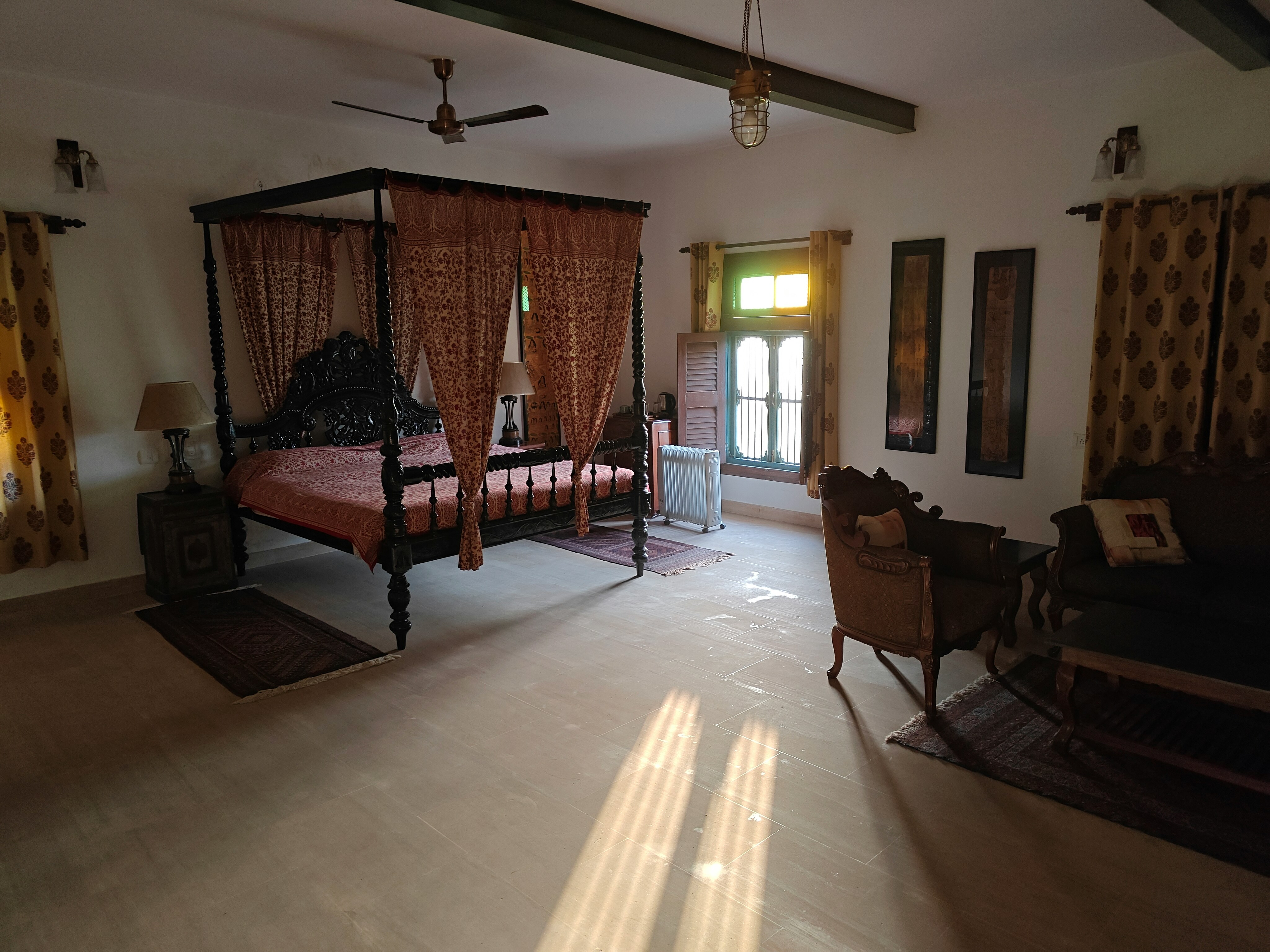
The Challenge: Before
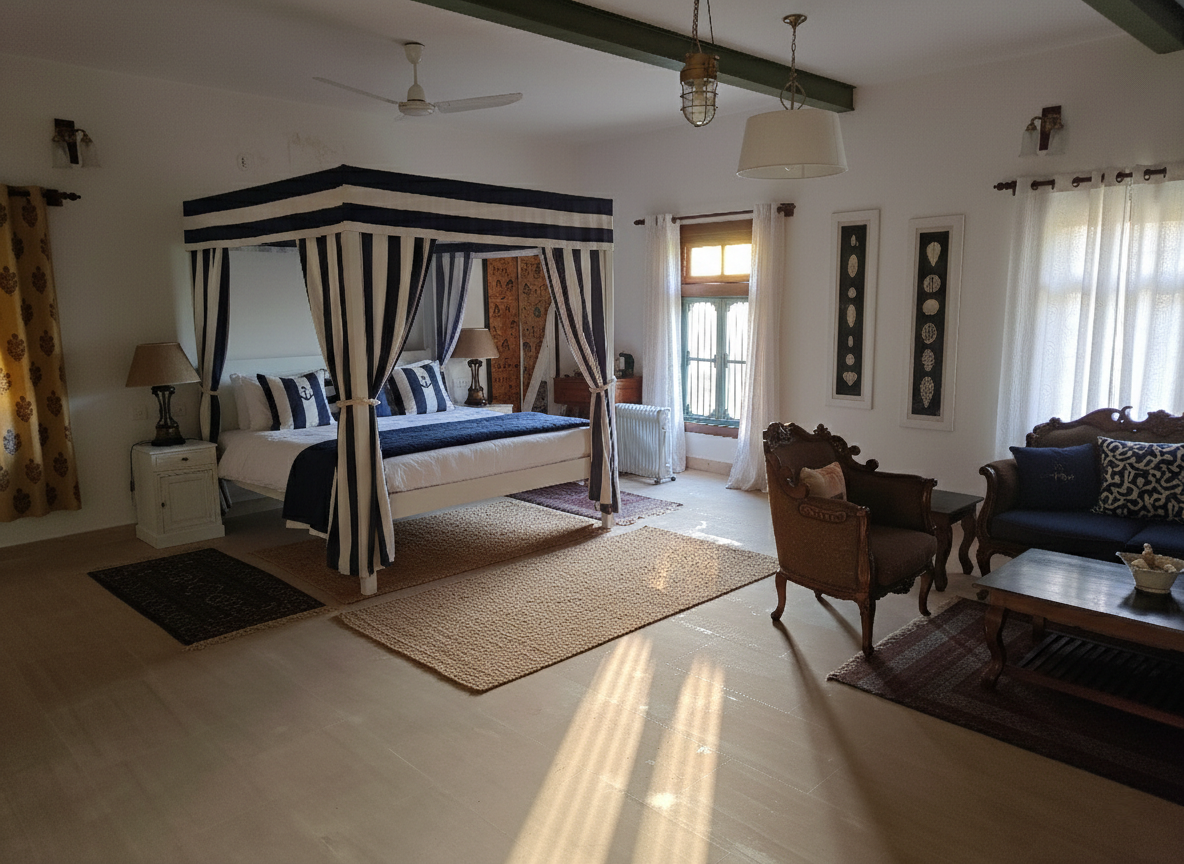
The Transformation: After (AI Generated)
AI Coastal Home Designer - Create Perfect Beach House Vibes (2026)
Coastal design brings the relaxed, breezy atmosphere of beach living into your home, whether you're three blocks from the ocean or three hundred miles inland. The style evokes vacation tranquility, natural textures, and the soothing color palette of sand, sea, and sky. But achieving authentic coastal design without tipping into tacky nautical clichés requires careful balance. AI coastal designers show you exactly how to capture seaside serenity in your actual rooms, helping you create spaces that feel genuinely relaxed rather than theme-park corny.
Why Coastal Design Never Goes Out of Style
Coastal interior design has remained consistently popular for decades because it taps into something universal about human psychology. Beach environments trigger relaxation responses in our brains. The combination of natural light, breezy air movement, organic textures, and the gentle color palette of shorelines creates spaces where stress naturally melts away. People instinctively feel calmer in rooms that incorporate these elements, which explains why coastal design works everywhere from actual beach houses to urban apartments hundreds of miles from the nearest ocean.
The style's enduring appeal also comes from its versatility. Coastal design encompasses everything from rustic weathered driftwood aesthetics to polished Hamptons elegance, from tropical resort vibes to New England cottage charm. This range means you can interpret coastal style to match your personal taste and home architecture rather than forcing a one-size-fits-all approach. A modern minimalist can do coastal just as successfully as someone who loves collected vintage finds. The common thread is always that sense of relaxed, unpretentious comfort that defines beach living at its best.
What makes coastal design challenging is knowing where to stop. The line between tasteful seaside elegance and overwhelming nautical kitsch is surprisingly thin. Too many anchors, rope accents, and literal beach motifs quickly become cartoonish. AI coastal designers help you walk this tightrope by showing you designs that incorporate coastal elements with restraint and sophistication. You see immediately whether your room feels like a serene retreat or a seafood restaurant gift shop, allowing you to adjust before buying furniture and decor that misses the mark.
The Core Elements of Authentic Coastal Design
The Coastal Color Palette
True coastal color schemes draw directly from beach environments. Think about what you actually see at the shore. Sand ranges from warm cream to cool taupe to pale gray depending on location. Water shifts from turquoise to navy to seafoam depending on depth and sky conditions. Weathered wood takes on silvery gray tones from sun and salt exposure. Shells and coral bring touches of blush pink and warm white. Sky provides endless variations of blue from powder to cerulean to stormy slate.
The most successful coastal interiors use these colors in natural proportions rather than aggressive saturation. Walls typically stay in the white to cream to pale gray range, creating that bright, airy foundation essential to beach house feel. Larger furniture pieces often echo sand tones in warm beiges, taupes, and natural linen colors. Blues and greens appear in accent pieces, textiles, and artwork rather than dominating entire rooms. This restraint keeps the palette sophisticated and calming rather than visually overwhelming.
AI shows you how different color combinations work in your specific lighting conditions. North-facing rooms with cool natural light can handle warmer coastal tones like sandy beige and coral without feeling yellow. South-facing rooms with warm light benefit from cooler coastal blues and greens to balance the golden sunshine. The technology generates designs using different coastal color approaches so you see which palette makes your actual room feel most like that perfect beach house you're envisioning.
Natural Materials and Textures
Coastal design celebrates organic materials that come from or evoke seaside environments. Weathered wood, especially pieces with visible grain and natural imperfections, anchors the aesthetic. Wicker and rattan bring that casual, breezy texture essential to beach house furniture. Jute and sisal rugs ground spaces with natural fiber warmth. Linen and cotton fabrics in loose, casual weaves create softness without formality. These materials share an unpretentious, lived-in quality that makes spaces feel immediately comfortable and welcoming.
The key to using these materials successfully is embracing imperfection. Coastal style rejects the pristine perfection of more formal design approaches. Furniture with slightly weathered finishes looks better than brand-new pieces. Fabrics with natural wrinkles and texture trump crisp, formal options. Rope details work when they're actual functional rope rather than decorative rope-shaped molding. This authenticity creates rooms that feel genuinely relaxed rather than trying too hard to achieve a beach aesthetic.
AI coastal designs show you how to layer these textures effectively. A room might combine a weathered wood coffee table, wicker accent chairs, jute rug, linen sofa, and cotton throw pillows, creating visual interest through texture variation while maintaining color harmony. You see whether your combination feels cohesive and beachy or busy and disjointed before assembling pieces from different stores and hoping they work together.
Light and Airiness
Coastal homes prioritize natural light and visual openness in ways other design styles sometimes don't. Beach houses traditionally feature large windows, minimal window treatments, white or light walls, and furniture arrangements that don't block light flow. This brightness serves both practical and psychological purposes. Practically, it maximizes ocean views and natural ventilation. Psychologically, it creates that expansive, liberating feeling central to vacation relaxation.
Achieving this airiness in non-beach-house settings requires deliberate design choices. Keeping walls white or cream reflects maximum light throughout spaces. Choosing furniture with exposed legs rather than heavy skirted pieces maintains visual lightness. Using sheer curtains or simple blinds instead of heavy drapery keeps windows unobstructed. Mirrors strategically placed multiply available light. Glass and lucite furniture disappears visually, making rooms feel more spacious.
AI demonstrates how different window treatment choices affect your room's coastal feel. Heavy curtains might work in traditional or formal designs but kill the breezy openness essential to beach house style. The technology shows you sheer linen panels, bamboo shades, or simple white shutters in your actual windows so you judge which option captures the right balance between light control and coastal airiness.
Casual, Comfortable Furniture
Coastal furniture prioritizes comfort over formality. Sofas are deep and squishy with overstuffed cushions you sink into rather than perch on. Slipcovers in washable fabrics acknowledge that beach life means sand, salt, and wet swimsuits. Furniture often sits lower and more casual than formal living room pieces. The overall message is clear: this is a space for relaxation and real living, not museum-quality preservation.
The scale and proportion of coastal furniture tends toward generous and welcoming. Oversized sectionals invite whole groups to lounge together. Big ottomans double as coffee tables and extra seating. Accent chairs are actually comfortable rather than decorative. This generosity reflects beach house entertaining where people naturally gather, conversations flow easily, and nobody worries about getting too comfortable.
AI helps you evaluate whether furniture pieces read as appropriately casual for coastal design. A stiff, formal tufted sofa might be beautiful but fights against the relaxed vibe you're trying to create. The technology shows you how different furniture styles work in your room, making it obvious which pieces nail the coastal aesthetic and which undermine it despite checking other boxes like color or material.
Different Coastal Design Styles
Classic Hamptons Coastal
Hamptons style represents the most polished interpretation of coastal design. Think Ralph Lauren beach house rather than rustic surf shack. The palette stays predominantly white and cream with navy and tan accents. Furniture tends toward traditional silhouettes in high-quality natural materials. Architectural details include board-and-batten walls, shiplap, wainscoting, and crown molding. Fabrics are linen, cotton, and ticking stripe. The overall effect is sophisticated and pulled-together while maintaining coastal relaxation.
This approach works particularly well in formal homes or for people who want coastal style without sacrificing elegance. The crisp white and navy palette feels fresh but also timeless. Quality natural materials like Belgian linen and solid wood ensure longevity. The style ages beautifully because it avoids trendy elements in favor of classic proportions and finishes.
AI shows you how to achieve Hamptons coastal in your specific rooms by demonstrating appropriate furniture scale, suggesting architectural details that work with your existing trim and molding, and balancing white and navy to feel coastal without becoming stark. You see whether your room has the proportions and natural light to pull off this more refined coastal approach or if a more casual interpretation works better.
Rustic Coastal Cottage
Cottage coastal embraces weathered, collected-over-time charm. Furniture might be vintage or vintage-inspired with painted finishes that show intentional wear. Colors include soft blues, seafoam greens, pale corals, and lots of white. Accessories lean toward found objects like driftwood, shells, sea glass, and vintage nautical elements used sparingly. The overall vibe is cozy, personal, and unpretentious.
This style suits smaller homes, actual cottages, and anyone who loves flea markets and antique stores. It's more forgiving of mismatched furniture since the collected aesthetic expects variety. The slightly shabby, well-loved quality makes spaces feel immediately comfortable rather than intimidating. Kids and pets fit naturally into cottage coastal since perfection isn't the goal.
AI cottage coastal designs show you how to mix vintage-style pieces without looking junky or cluttered. The line between charming cottage and messy thrift store is real. Seeing designs helps you understand how much weathering works before crossing into looking genuinely old and worn out rather than intentionally casual. The technology demonstrates which vintage elements read as coastal character versus just dated.
Modern Coastal Minimalist
Modern coastal strips the aesthetic down to its essential elements. The color palette often limits itself to white, warm wood tones, and perhaps one accent color like soft gray-blue. Furniture features clean lines and minimal ornamentation. Accessories are carefully edited rather than abundant. Natural materials remain important but in refined applications rather than rustic finishes. The result feels serene and spa-like, emphasizing the meditative quality of beach environments.
This interpretation suits contemporary homes, minimalists who want coastal warmth without visual clutter, and anyone influenced by Scandinavian or Japanese design sensibilities. It proves coastal design doesn't require collections of shells and rope accents to evoke the beach. Sometimes restraint and natural light communicate seaside tranquility more effectively than obvious beach references.
AI modern coastal designs help you find the right level of minimalism. Too sparse and the room feels cold rather than coastal. The technology shows you how much texture and warmth you need through materials like wood, linen, and jute to keep the space feeling inviting while maintaining that clean, uncluttered aesthetic you're after.
Tropical Coastal Resort
Tropical coastal brings vacation resort energy into residential spaces. Colors become more saturated with turquoise, coral, and palm green joining the palette. Patterns include palm fronds, tropical florals, and bold geometric prints. Materials lean toward bamboo, rattan, and teak. The overall feel is energetic and exotic rather than serene and neutral.
This style works in warm climates, for people who vacation in tropical destinations and want to capture that feeling year-round, and in spaces specifically designated for entertainment and fun rather than quiet relaxation. It's inherently more casual and playful than other coastal approaches.
AI helps you judge whether tropical coastal works in your climate and architecture. A tropical approach in a New England colonial might feel forced, while the same design in a Florida ranch house feels perfectly natural. The technology shows you how saturated colors and bold patterns work in your specific room so you see whether the result feels authentically tropical or costume-y.
Nautical Coastal
Nautical coastal specifically references sailing and maritime culture through navy and white stripes, rope details, brass hardware, ship-inspired elements, and sailing imagery. This is the interpretation most likely to tip into theme-park territory if not handled carefully. Done well, it feels crisp, classic, and seafaring. Done poorly, it looks like a preschool classroom decorated for ocean week.
The key to successful nautical design is using maritime references as accent notes rather than overwhelming themes. One piece of rope detail or a single brass porthole mirror reads as intentional. Five rope elements plus anchor pillows plus ship wheel art reads as overkill. Navy and white stripes work beautifully in limited doses but become aggressive when applied to multiple elements in one room.
AI nautical designs show you immediately whether you've crossed from tasteful to tacky. The technology generates rooms with different levels of nautical reference so you see where the sweet spot lies. Most people discover they need far fewer obvious nautical elements than they initially imagined to communicate the aesthetic effectively.
How to Use AI for Coastal Design
Step One: Photograph Your Current Room
Take clear photos of the room you want to transform into coastal paradise. Shoot during daytime when natural light fills the space since coastal design depends heavily on brightness and airiness. Include all windows in your photos because window treatments play crucial roles in coastal aesthetics. Capture architectural details like molding, ceiling height, and flooring since these affect which coastal style works best in your space.
If your room currently has heavy, dark furniture or bold colors that obscure the space's potential, consider removing or covering items temporarily for photos. You want the AI to work with your room's bones rather than designing around furniture you plan to replace anyway. Clear photos of empty or minimally furnished spaces often generate more useful coastal designs than cluttered current-state images.
Step Two: Specify Your Coastal Style Preference
When uploading to HouseGPTs coastal designer, be specific about which coastal interpretation appeals to you. Don't just request "coastal design" because that could mean anything from Hamptons elegance to tropical resort. Instead, specify "Hamptons coastal with navy and white palette, classic furniture, sophisticated" or "rustic cottage coastal with weathered wood, soft blues, collected casual feel" or "modern minimalist coastal, mostly white, clean lines, serene."
Include practical considerations in your prompt. If you have kids or pets, mention that slipcovers and durable materials matter. If your room gets limited natural light, note that brightness is a priority. If you're working with existing furniture, describe what you're keeping so AI designs around those pieces. These details help generate designs you can actually implement rather than beautiful images requiring complete furniture replacement.
Step Three: Generate and Compare Options
Use your free designs to explore different coastal directions. Generate a Hamptons-style version, then regenerate as cottage coastal to compare how different approaches work in your specific room. Try one design with lots of blue accents, another with more neutral palette. Test different furniture layouts. This comparison reveals which coastal style suits your space, lighting, and personal taste rather than forcing you to guess before buying anything.
Pay particular attention to how AI handles your room's specific challenges. If your space lacks natural light, does the design compensate with white walls and strategic lighting? If your room is small, does the furniture scale maintain the airy openness essential to coastal feel? If you have architectural details that fight coastal style, does the design work with them or highlight the conflict? These considerations determine whether a coastal transformation will succeed in your actual room.
Step Four: Refine Based on Results
Once you see initial coastal designs, you'll likely want to adjust certain elements. Maybe you love the overall vibe but want more color. Or the furniture layout is perfect but feels too formal. Or you want more of that weathered, casual feeling. Use these observations to generate refined designs with updated prompts incorporating what you learned. This iterative process quickly zeroes in on your ideal coastal aesthetic.
Share AI designs with family members or roommates who'll live in the space. Coastal style ranges from extremely minimal to richly layered, and people have strong preferences about where they fall on that spectrum. Visual references make these conversations productive rather than abstract. Agreement on a specific AI design means everyone knows what you're working toward, preventing conflicts during implementation.
Common Coastal Design Mistakes AI Prevents
Mistake One: Too Many Literal Beach References
The fastest way to ruin coastal design is overwhelming a room with anchors, seashells, starfish, rope, ship wheels, and "BEACH" signs. These literal references make spaces feel like gift shops rather than homes. Real beach houses rarely feature aggressive nautical themes because people who actually live at the beach don't need to remind themselves they're at the beach. The best coastal design evokes the feeling of seaside living through color, light, and texture rather than beating you over the head with maritime symbolism.
AI shows you immediately when your coastal vision has too many literal elements. Seeing an anchor print pillow plus rope mirror plus starfish artwork plus "SEAS THE DAY" sign all in one AI-generated room makes the problem obvious. You can dial back to just one or two meaningful coastal references while achieving authentic beach house feel through subtler design choices.
Mistake Two: Wrong Scale Furniture
Coastal design works best with generously proportioned furniture that invites lounging. Small, delicate pieces fight against the casual, comfortable vibe essential to beach house style. A dainty settee might be pretty but feels wrong in coastal context. Oversized sofas, deep armchairs, and substantial coffee tables better match the relaxed lifestyle coastal design represents.
AI demonstrates how different furniture scales affect your coastal room. You see whether that sleek modern loveseat you're considering maintains coastal comfort or makes the space feel precious and unwelcoming. The technology shows you that investing in one great slipcovered sectional often works better than multiple smaller pieces that fragment the room.
Mistake Three: Ignoring Architectural Context
Coastal design works most naturally in homes with appropriate architecture. Beach houses, cottages, Cape Cods, and casual ranch houses embrace coastal style easily. Traditional colonials, formal Victorians, and ornate Mediterranean homes resist it. Forcing aggressive coastal design into architecturally inappropriate houses creates disconnect rather than harmony.
That doesn't mean you can't incorporate coastal elements in any home, but the approach must respect architectural context. A formal colonial might embrace Hamptons coastal elegance but looks ridiculous with rustic driftwood and rope accents. AI shows you which coastal interpretation works with your home's bones, preventing costly mistakes from fighting your architecture.
Mistake Four: Matching Instead of Coordinating
Coastal style at its best feels collected and relaxed rather than perfectly matched. Buying entire furniture sets in identical finishes makes rooms look like showrooms rather than homes. Real beach houses accumulate furniture over time, mixing inherited pieces with finds from local shops and practical additions as needs arise. This variety creates character and authenticity.
AI coastal designs demonstrate how to coordinate rather than match. You see rooms where the sofa is cream linen, chairs are wicker with blue cushions, coffee table is weathered wood, and side tables are different styles that all work together through shared coastal aesthetic rather than identical matching. This approach creates more interesting, personal spaces.
Mistake Five: Neglecting Texture
Since coastal palettes often stay fairly neutral, texture becomes essential for visual interest. All-white rooms with smooth surfaces feel sterile rather than serene. Layering different natural textures creates depth and warmth that prevents coastal spaces from feeling cold despite their light colors.
AI shows you how to layer textures effectively through jute rugs, linen upholstery, weathered wood tables, wicker baskets, cotton throws, and grasscloth wallpaper or textured paint. Seeing these elements combined in your actual room reveals whether you've achieved enough textural variety or if the space still feels flat and one-dimensional.
Budget Coastal Transformations
The Five Hundred Dollar Coastal Refresh
You can inject serious coastal feeling into existing rooms without replacing furniture. Start with paint, which delivers maximum impact for minimum investment. White or cream walls instantly brighten and open spaces, creating that essential coastal airiness. Budget two hundred dollars for quality paint covering an average room. Next, add a natural fiber jute rug, which grounds the space with organic coastal texture for one hundred fifty dollars. Finish with coastal-appropriate throw pillows and a soft throw blanket in blues or neutrals for another hundred fifty dollars. These changes transform a room's entire feeling without touching furniture or making permanent alterations.
The Fifteen Hundred Dollar Coastal Makeover
At this budget level, you can replace key furniture pieces alongside cosmetic changes. Paint walls as before, but add a quality slipcovered sofa or loveseat for eight hundred to a thousand dollars. These washable, casual pieces instantly communicate coastal style while remaining practical for real life. Add the jute rug, swap out old curtains for simple white or natural linen panels, and include new lamps with natural bases like ceramic or wood. This investment creates a substantially different room that genuinely feels coastal rather than just coastal-adjacent.
The Five Thousand Dollar Complete Coastal Transformation
With five thousand dollars, you can fully transform a room into your coastal vision. This budget covers painting, new larger area rug in quality natural fiber, complete furniture replacement with coastal-appropriate pieces, proper window treatments, upgraded lighting, and curated accessories. You're creating a room that could appear in coastal design magazines rather than simply improving what you have. AI helps you allocate this budget wisely by showing you which elements deliver the most impact in your specific space.
Transform Your Home Into a Coastal Retreat
Coastal design works everywhere, not just in actual beach houses. The style's emphasis on natural light, organic materials, soothing colors, and relaxed comfort creates spaces where stress naturally diminishes and life feels more vacation-like even during ordinary weekdays. Whether you live three blocks from the ocean or three states away, incorporating coastal elements helps you capture that sense of perpetual seaside relaxation.
Your Action Plan:
Today, photograph the room you want to transform into coastal paradise. Get clear shots showing windows, existing furniture, and architectural details. Then upload your best photo to HouseGPTs coastal designer, specify which coastal style appeals to you most, and generate two free designs showing different approaches. Maybe compare Hamptons elegance versus cottage casual. Or modern minimalist versus tropical resort.
This week, use those AI designs to identify which coastal elements you can implement immediately with minimal investment. Perhaps painting walls white and adding blue pillows gets you halfway there. Next month, tackle larger changes like furniture replacement or window treatments based on your budget and priorities. Within three months, you could be living in a space that feels like permanent vacation rather than just somewhere you sleep between workdays.
Create Your Coastal Paradise
Upload your room photo and get 2 free professional AI coastal designs. Hamptons, cottage, modern, tropical - see which beach style works in your home.
Related Coastal Design Resources
Ready for Your Own AI Redesign?
Start Designing with AI →FAQs about AI Coastal Home Designer - Create Perfect Beach House Vibes (2026)
Everything you need to know
Can AI design coastal style interiors?
Yes. AI coastal designers create beach house, nautical, and seaside interior designs by generating photorealistic room transformations featuring coastal color palettes (whites, blues, sandy neutrals), natural materials (weathered wood, wicker, jute), and relaxed furniture arrangements. Upload your room photo, specify your preferred coastal style like Hamptons, cottage, or modern minimalist, and receive professional designs in 30 seconds.
What colors are used in coastal interior design?
Coastal color palettes draw from beach environments: whites and creams for walls and ceilings, sandy beiges and taupes for larger furniture, soft blues from powder to navy for accents, seafoam and sage greens, coral and blush pinks, and weathered gray wood tones. The palette stays predominantly light and neutral with saturated colors used sparingly in accessories and textiles to maintain the airy, bright feeling essential to beach house style.
What is the difference between coastal and nautical design?
Coastal design evokes beach living through light colors, natural materials, and relaxed comfort without literal beach references. Nautical design specifically references sailing and maritime culture through navy-white stripes, rope details, anchors, and ship elements. Coastal is broader and more subtle; nautical is a specific subset that can become theme-y if overused. AI shows you both approaches so you choose which level of beach reference suits your taste.
How do you make a room look coastal?
Make rooms coastal by painting walls white or cream, incorporating natural materials like weathered wood and wicker, using soft blue and sandy neutral colors, choosing casual comfortable furniture with slipcovers, adding jute or sisal rugs, keeping window treatments simple and light, maximizing natural light, and including organic textures through linen, cotton, and rope. AI designs show how these elements combine in your specific room before you buy anything.
What furniture is used in coastal design?
Coastal furniture includes slipcovered sofas and chairs in white or natural linen, wicker and rattan pieces, weathered or whitewashed wood tables, upholstered furniture in casual fabrics rather than formal materials, generous-sized comfortable seating, and pieces with exposed legs maintaining visual lightness. Furniture should feel relaxed and inviting rather than formal or precious. AI shows you which furniture styles achieve authentic coastal feeling in your space.
Can you do coastal design in a non-beach house?
Absolutely. Coastal design works in any home, not just beach houses. The style's emphasis on natural light, soothing colors, organic materials, and relaxed comfort creates calming spaces anywhere. Adapt the approach to your architecture: formal homes suit polished Hamptons coastal, casual cottages embrace rustic coastal, modern homes work with minimalist coastal. AI generates designs appropriate for your specific home's architecture and location.
How much does coastal interior design cost?
Coastal design costs vary widely: $500 refresh with paint, rug, and accessories; $1,500 makeover including key furniture piece plus cosmetics; $5,000+ complete transformation with all new furniture and finishes. Coastal style can be budget-friendly because it embraces casual, collected aesthetics rather than requiring expensive matching sets. AI shows you transformations at different budget levels so you prioritize spending effectively.
What is Hamptons style coastal design?
Hamptons coastal is the most polished, sophisticated coastal interpretation featuring crisp white and navy palettes, classic furniture in quality natural materials, architectural details like shiplap and wainscoting, Belgian linen and cotton fabrics, and refined accessories. It maintains coastal relaxation while feeling elegant and timeless rather than rustic or casual. AI Hamptons designs show whether your home's architecture supports this refined approach or if more casual coastal works better.