Interior Design Ideas - Free AI Tool (2026)
Article Contents
- Why Traditional Design Idea Sources Fall Short
- How AI Generates Superior Interior Design Ideas
- Personalized to Your Actual Spaces
- Complete Coordinated Design Solutions
- Professional Design Intelligence Included
- Rapid Style Exploration
- Instant Results Without Hours of Browsing
- Photorealistic Visualization
- Interior Design Ideas for Every Room
- Living Room Design Ideas
- Bedroom Design Ideas
- Kitchen Design Ideas
- Small Space Design Ideas
- Open Concept Design Ideas
- Using AI Interior Design Ideas Effectively
- Start with Quality Room Photos
- Explore Multiple Design Directions
- Evaluate as Complete Visions
- Use as Implementation Guide
- Adapt to Your Budget
- Common Design Challenges AI Ideas Solve
- Creating Cohesive Multi-Room Design
- Balancing Style and Function
- Working with Existing Architecture
- Mixing Old and New Elements
- Get Professional Interior Design Ideas Free
- Related Interior Design Resources
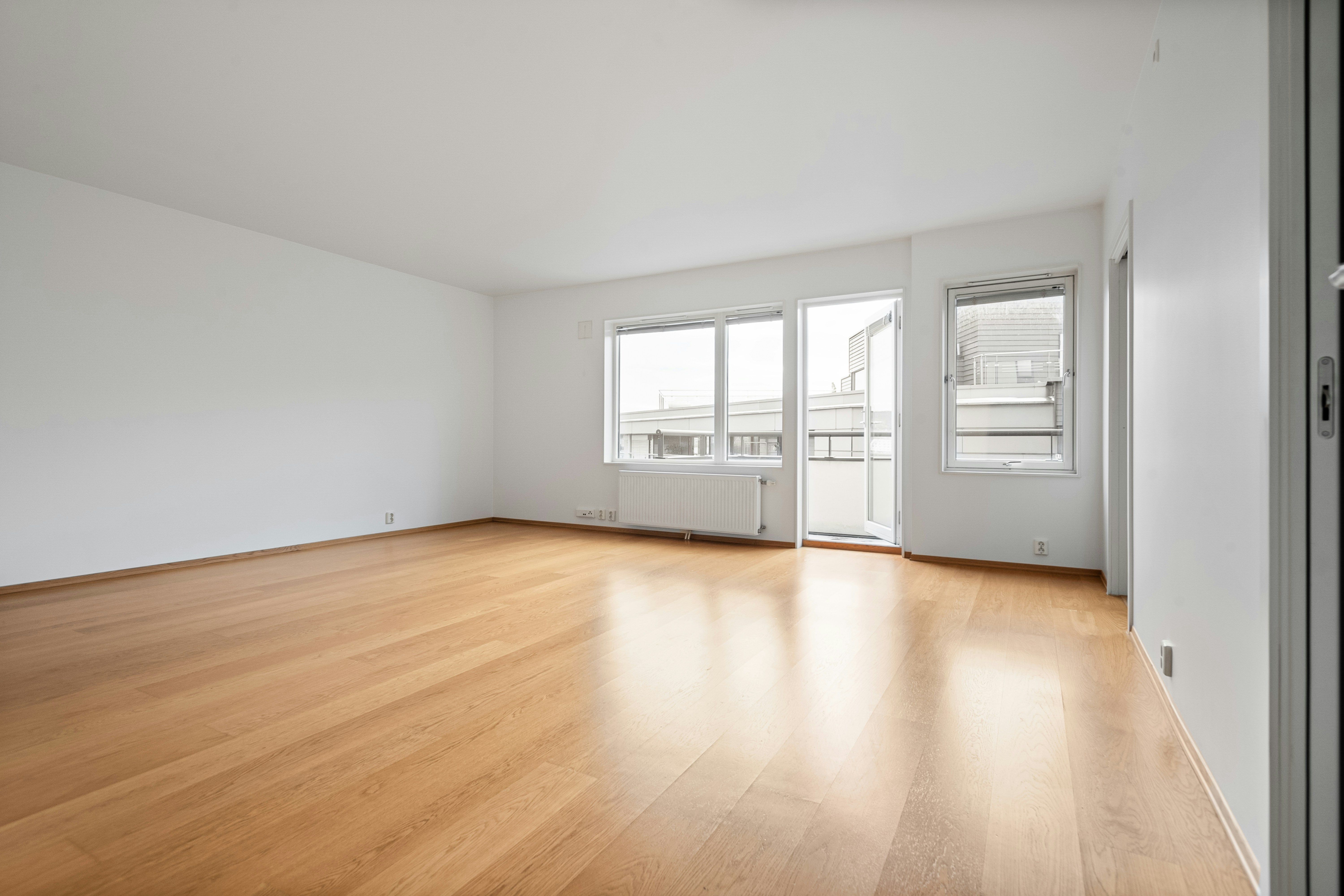
The Challenge: Before
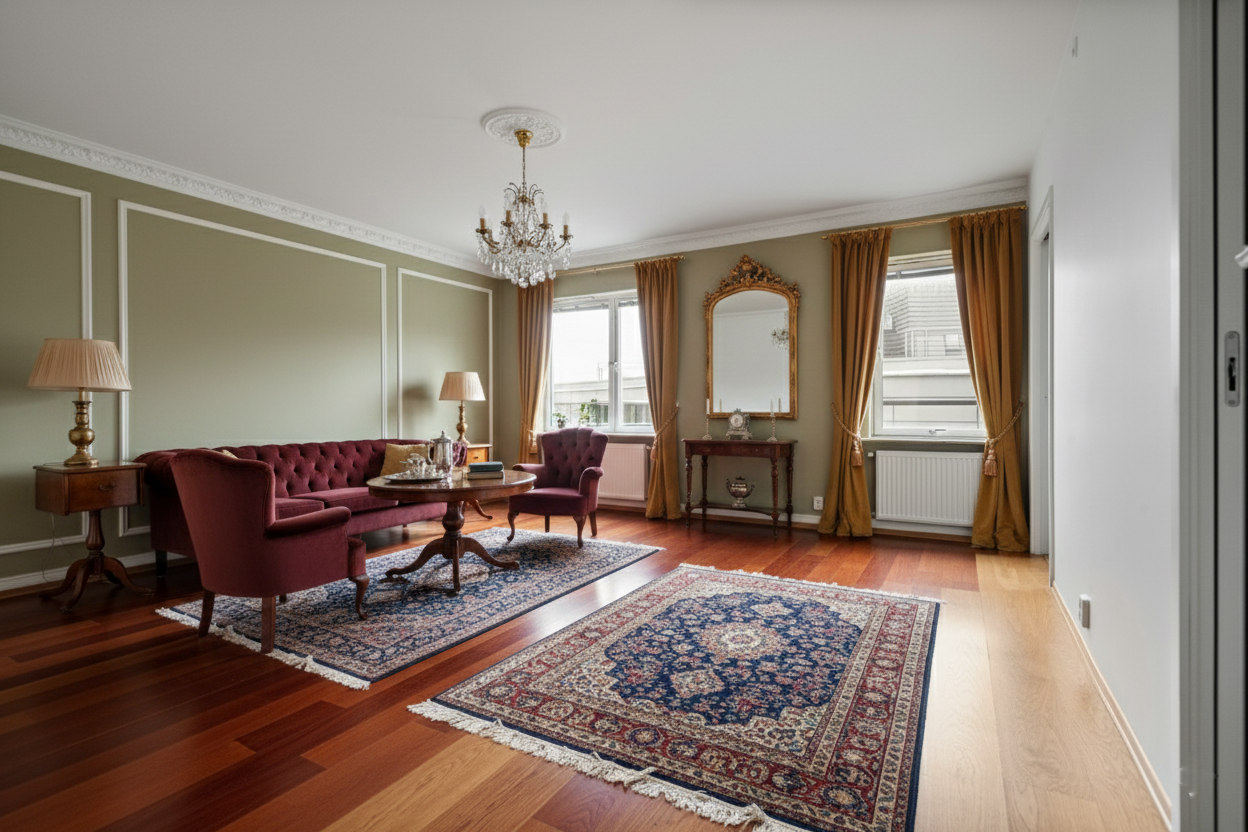
The Transformation: After (AI Generated)
Interior Design Ideas - Free AI Tool (2026)
Finding interior design ideas traditionally involves consuming enormous volumes of visual inspiration across Pinterest, Instagram, Houzz, design blogs, and magazines hoping that passive browsing will somehow crystallize into clear actionable direction for your actual spaces. However, this approach creates fundamental mismatch between consumption and application where you accumulate thousands of beautiful images representing disparate styles, budgets, and spatial contexts that don't translate into specific solutions for your unique rooms with different dimensions, lighting, architectural constraints, and functional requirements. The result involves spending dozens of hours browsing without achieving clarity about what would actually work in your spaces, leaving you paralyzed by options and uncertain how to proceed despite extensive research effort. Modern AI technology fundamentally transforms interior design idea generation from passive consumption to active creation where you receive personalized professional design ideas specifically for your actual spaces in 30 seconds based on uploaded photos, providing concrete actionable solutions showing exactly how various design approaches would transform your real rooms rather than generic inspiration requiring design expertise to translate and adapt into reality.
Why Traditional Design Idea Sources Fall Short
Pinterest and similar inspiration platforms excel at aggregating beautiful interior design images from around world including millions of professionally designed, professionally photographed, professionally styled rooms representing every conceivable aesthetic approach. This visual abundance initially seems helpful—so many gorgeous possibilities to explore! However, the endless scrolling rarely produces actionable design direction because saved images represent rooms fundamentally different from yours including different dimensions requiring different furniture scales, different architectural features creating different opportunities and constraints, different lighting conditions affecting color and material appearance, and different budgets enabling different quality levels and approaches than resources available to typical homeowners attempting DIY design implementation.
The passive consumption model encourages collecting incompatible design ideas because individual images look appealing in isolation without considering how elements would coordinate when combined in single space. Your saved design ideas might span modern minimalist aesthetics, cozy traditional warmth, industrial edginess, Scandinavian simplicity, and bohemian eclecticism—all looking beautiful separately but representing incompatible design philosophies that cannot be simultaneously pursued creating cohesive satisfying result. This style confusion stems from accumulating whatever catches attention during browsing sessions without active curation ensuring collected ideas actually work together, leaving you with scattered inspiration across multiple contradictory directions instead of unified vision guiding implementation decisions.
The time investment proves disproportionate to value received as dozens of hours browsing across weeks or months often produce more uncertainty than clarity about design direction. The endless scroll creates illusion of productive research when you're actually just consuming visual content without making meaningful progress toward actionable design plan for your spaces. Many people report investing 20-50 hours gathering design ideas but remaining unclear about actual implementation because inspiration platforms provide no framework for translating beautiful images into specific furniture selections, color choices, layout decisions, or styling approaches that would work in your different situation with your different constraints and resources.
The professional photography and styling creates unrealistic expectations about achievable results given typical budgets and DIY execution capabilities. Pinterest images represent professional designers' finished work photographed professionally after completion with budgets, timelines, and execution quality generally unavailable to average homeowners doing their own design. This aspiration-reality gap either discourages attempts thinking professional results are unachievable or leads to expensive disappointment when DIY implementation doesn't match inspiration despite best efforts and significant investment, creating frustration rather than satisfaction from design projects inspired by unrealistic professional examples divorced from typical residential constraints.
How AI Generates Superior Interior Design Ideas
Personalized to Your Actual Spaces
AI interior design idea generation begins with analyzing your actual room photos rather than showing generic inspiration, understanding your specific dimensions, proportions, window placements, door locations, ceiling heights, architectural features, and existing elements through computer vision. The AI then generates design ideas specifically appropriate for your real spaces accounting for actual opportunities and constraints visible in photos rather than presenting generic beautiful rooms that might not be achievable given your different spatial reality. This personalization ensures design ideas actually work in your spaces rather than representing aspirational visions impossible to implement given your different dimensions, features, and limitations, providing actionable specific direction rather than generic inspiration requiring extensive adaptation.
Complete Coordinated Design Solutions
Instead of presenting individual design elements hoping you'll successfully combine them, AI generates complete coordinated room designs where furniture selections, color palettes, material choices, lighting approaches, and styling all work together creating harmonious professional results. You see entire designed room showing how all elements coordinate rather than isolated inspiration pieces requiring you to somehow assemble them coherently despite lacking professional design expertise ensuring compatibility. This complete solution approach prevents the common inspiration platform problem of collecting beautiful but incompatible ideas from different aesthetics that don't actually work together when attempted in single space, providing unified direction rather than competing concepts requiring design knowledge to reconcile into cohesive implementable reality.
Professional Design Intelligence Included
AI incorporates professional design intelligence trained on millions of expertly designed spaces, automatically applying principles about color theory, spatial planning, furniture scale relationships, lighting design, and style authenticity without requiring you to possess or develop this expertise yourself. The generated design ideas follow professional standards about what works visually and functionally even though produced by AI rather than individual human designers, making expert-level design thinking accessible to everyone regardless of personal design knowledge, training, or experience. This democratization of design expertise previously available only through expensive consultations or years of personal study makes professional-quality ideas achievable for typical homeowners who reasonably lack specialized design education.
Rapid Style Exploration
AI enables generating interior design ideas in multiple different styles for same space in 5 minutes, allowing direct comparison revealing preferences through actual visualizations rather than abstract style descriptions. Generate modern, traditional, Scandinavian, farmhouse, coastal, industrial, bohemian, and mid-century modern versions of your living room seeing exactly how dramatically different design approaches transform identical space. This comparative exploration accelerates preference discovery and confident direction selection versus traditional inspiration gathering where you might browse for months without reaching clear decision about specific style to pursue because you lack systematic framework for evaluating options and making comparisons between alternatives.
Instant Results Without Hours of Browsing
Traditional design idea gathering requires 10-50 hours across weeks browsing Pinterest, Instagram, Houzz, and design blogs hoping to find inspiring relevant examples. AI generates professional interior design ideas in 30 seconds after simple photo upload and style selection, transforming weeks of passive browsing into minutes of active generation. This efficiency makes design idea exploration practical for busy people who reasonably cannot dedicate extensive time to what should be straightforward residential design rather than treating it as serious hobby requiring dedication most reserve for activities they actually enjoy. The time savings also enables true experimentation since trying new direction costs 30 seconds rather than hours of additional browsing, encouraging comprehensive exploration revealing best options.
Photorealistic Visualization
AI generates photorealistic images appearing like professional interior photography showing your actual room transformed according to design ideas rather than presenting abstract mood boards, sketches, or 3D renders requiring mental translation to understand how spaces would actually look. The realistic quality makes it dramatically easier to visualize implementation results, feel emotionally connected to design ideas, and confidently make decisions based on seeing actual achievable outcomes rather than abstract representations. This photorealism proves crucial because design idea purpose involves building confident understanding of how spaces could look transformed, goal that abstract visualizations or generic inspiration undermine despite potential technical sophistication or aesthetic appeal.
Interior Design Ideas for Every Room
Living Room Design Ideas
Living rooms serve multiple functions requiring design ideas that balance family comfort, entertaining capability, media viewing, and sometimes additional purposes like home office zones or children's play areas. AI generates living room design ideas showing how to create welcoming atmosphere supporting various activities through thoughtful furniture arrangements optimizing conversation and traffic flow, lighting design providing ambient, task, and accent illumination, color selections creating desired mood, and styling approaches adding personality without clutter. The ideas demonstrate achieving versatile living spaces serving real lifestyle needs rather than just looking attractive in photographs, with designs accounting for your room's actual size and layout rather than presenting generic solutions assuming different spatial configurations.
Bedroom Design Ideas
Bedroom design requires creating calm restful environment promoting quality sleep while providing necessary functionality for clothing storage, getting ready, and potentially reading or working. AI bedroom design ideas show how to establish soothing color palettes supporting relaxation, select appropriate lighting serving both practical and atmospheric needs, arrange furniture optimizing space and function, incorporate adequate storage maintaining organization, and add personal touches creating sanctuary feel rather than just decorated bedroom. The ideas balance aesthetic appeal with bedroom-specific functional requirements many inspiration sources ignore by focusing purely on visual beauty without considering how spaces support actual daily routines and sleep quality.
Kitchen Design Ideas
Kitchen design balances aesthetic goals with serious functional requirements around cooking efficiency, storage accessibility, cleaning ease, and safety considerations. AI generates kitchen design ideas showing how to create attractive spaces that work practically through smart cabinetry and storage solutions, appropriate material selections for durability and maintenance, strategic lighting supporting food preparation and ambiance, efficient layout optimizing work triangle, and styling adding personality without cluttering functional zones. The ideas demonstrate achieving beautiful kitchens remaining highly functional rather than prioritizing appearance over utility creating gorgeous but impractical spaces frustrating for actual daily cooking and meal preparation.
Small Space Design Ideas
Small spaces demand particularly thoughtful design maximizing visual spaciousness and functional utility through furniture scale, color psychology, layout efficiency, and clever storage. AI automatically generates design ideas appropriate for your actual small space dimensions visible in uploaded photos, showing how to select appropriately scaled furniture preventing overwhelming cramped feeling, use colors and lighting creating spaciousness illusion, arrange layouts optimizing limited square footage, and incorporate storage maintaining organization without visual clutter. These small-space-specific ideas help you avoid common mistakes like oversized furniture or dark heavy colors making small rooms feel even more confined, providing solutions actually working in constrained spaces rather than generic inspiration assuming generous square footage.
Open Concept Design Ideas
Open concept spaces present unique design challenge creating visual distinction between different functional zones without physical walls while maintaining cohesive flow throughout connected areas. AI open concept design ideas show how to define different zones through furniture arrangements, area rugs, lighting variations, and subtle color or material transitions while ensuring aesthetic consistency throughout space. The ideas demonstrate balancing zone definition with open flow rather than creating disconnected areas or completely undifferentiated space lacking functional organization, providing solutions for modern open layouts many older inspiration sources don't adequately address.
Using AI Interior Design Ideas Effectively
Start with Quality Room Photos
Take clear photos of rooms you want design ideas for from corners showing maximum space including windows, doors, and architectural features. Use adequate lighting and temporarily clear excessive clutter so AI focuses on permanent spatial characteristics rather than temporary mess. Better photos enable better AI understanding of your spaces leading to more accurate design ideas reflecting your actual room proportions, lighting conditions, and architectural features. The few minutes invested in quality photography pays dividends through design ideas specifically appropriate for your real spaces rather than generic suggestions that might not work given your unique situation and constraints.
Explore Multiple Design Directions
Generate interior design ideas in several different styles even if you think you already know preferences. Direct visual comparison between modern, traditional, Scandinavian, farmhouse, coastal, industrial, and other approaches often reveals that styles you thought you'd love don't actually resonate in your specific space or that aesthetics you hadn't seriously considered work surprisingly well given your room's particular characteristics. This exploration takes only minutes since each generation completes in 30 seconds but provides tremendous value through preference discovery preventing expensive commitment to design directions that seemed appealing abstractly but don't actually work when visualized specifically for your actual rooms.
Evaluate as Complete Visions
Consider AI-generated interior design ideas as complete coordinated visions rather than attempting to cherry-pick individual elements combining them with Pinterest inspiration or other sources. The power of AI design ideas lies in showing how furniture selections, colors, materials, lighting, and accessories work together creating harmonious professional results—breaking apart these coordinated visions to mix with other inspiration risks recreating the style confusion problem AI solves by providing complete cohesive direction. Trust complete generated vision or generate alternative complete vision rather than attempting DIY combination likely producing less satisfying results than any individual complete direction would achieve.
Use as Implementation Guide
Download selected AI interior design idea as photorealistic reference image guiding all implementation decisions including furniture shopping showing styles and scales to pursue, paint selection providing exact color direction, material and textile choices indicating finishes and textures, and styling approaches demonstrating accessory placement and decorative elements. The clear visual target makes every subsequent decision easier because you know exactly what you're trying to achieve rather than making isolated choices hoping they somehow coordinate. Reference generated image throughout implementation ensuring all purchases and execution decisions align with established vision, preventing drift occurring when making sequential decisions without unified direction maintaining overall cohesion and intentionality.
Adapt to Your Budget
AI interior design ideas show aspirational targets you can adapt to budget constraints through strategic prioritization investing first in highest-impact elements, phased implementation spreading costs over time, creative substitutions achieving similar aesthetic effects at lower costs, and DIY approaches where skills allow. Focus on capturing essential character and design direction rather than exact replication of every detail—the AI image provides direction rather than rigid prescription requiring perfect duplication. Successful implementation measured by satisfying results serving your needs and aesthetic vision rather than perfectly matching every element shown in generated image that might require resources unavailable given your budget reality.
Common Design Challenges AI Ideas Solve
Creating Cohesive Multi-Room Design
Many homeowners struggle creating cohesive aesthetic across multiple rooms, often ending up with disconnected spaces each reflecting whatever inspiration caught attention during different decision phases without unifying vision ensuring consistency. AI enables whole-home design planning by generating ideas for all spaces using related style parameters ensuring rooms feel connected through consistent aesthetic vocabulary while allowing appropriate variations for different functional requirements. This cohesion makes homes feel intentionally designed rather than accidentally assembled from isolated room-specific decisions made independently over years without coordination or overall planning.
Balancing Style and Function
Beautiful design ideas that don't work practically create ongoing frustration undermining aesthetic achievements, while purely functional spaces lacking aesthetic consideration feel utilitarian and uninspiring. AI interior design ideas demonstrate balancing visual appeal with practical functionality through designs that look beautiful while supporting how rooms are actually used including appropriate traffic flow, adequate storage, comfortable seating arrangements, proper task lighting, and durable material selections for high-use areas. This functional beauty integration serves real residential needs rather than pursuing impractical showpiece aesthetics or accepting purely utilitarian approaches without aesthetic consideration.
Working with Existing Architecture
Most homes have architectural features you cannot change including window placements, door locations, ceiling heights, built-in elements, and structural constraints requiring design ideas that work with rather than against existing architecture. AI analyzes your room photos understanding actual architectural features visible and generates design ideas specifically appropriate for your space's characteristics rather than presenting generic solutions assuming different architectural context. This architectural sensitivity ensures design ideas actually work in your real space rather than requiring modifications you cannot make or looking wrong given your different architectural reality.
Mixing Old and New Elements
Most design projects involve keeping some existing furniture or items while adding new pieces, creating challenge ensuring old and new elements coordinate well together. AI can generate design ideas accounting for items you want to keep by showing how to integrate existing pieces into new overall aesthetic through complementary new additions, coordinated color selections, and thoughtful arrangements making everything work cohesively. This helps avoid expensive mistake of replacing everything when strategic additions and rearrangement of existing items could achieve satisfying results at fraction of cost.
Get Professional Interior Design Ideas Free
Traditional interior design idea gathering through Pinterest, Instagram, and design blogs creates passive consumption producing more confusion than clarity as you accumulate beautiful but incompatible generic inspiration without actionable direction for your actual unique spaces. Dozens of hours browsing rarely produce confident design plans because generic inspiration requires design expertise most people lack to adapt into coordinated solutions for different spaces with different constraints. AI revolutionizes interior design idea generation by creating personalized complete professional solutions specifically for your actual spaces in 30 seconds based on uploaded photos, providing concrete actionable direction showing exactly how various design approaches would transform your real rooms rather than generic inspiration requiring imagination and expertise to translate into implementable reality. Whether you need living room design ideas, bedroom styling direction, kitchen design solutions, small space approaches, or whole-home aesthetic planning, AI-powered generation delivers specific actionable ideas tailored to your situation making professional-quality interior design accessible to everyone regardless of budget constraints, design experience, or time availability.
Generate Personalized Interior Design Ideas Free
Upload your room photo and receive professional AI-generated interior design ideas in 30 seconds. Complete coordinated solutions specific to YOUR space, not generic Pinterest inspiration. Photorealistic results ready to implement.
Related Interior Design Resources
Ready for Your Own AI Redesign?
Start Designing with AI →FAQs about Interior Design Ideas - Free AI Tool (2026)
Everything you need to know
How do I get interior design ideas?
Traditional approach: Browse Pinterest, Instagram, Houzz for 10-50 hours collecting generic inspiration hoping it translates to your different space. AI approach: Upload room photo, select style, receive personalized professional interior design ideas in 30 seconds showing exactly how your actual space could look designed in various styles. AI generates complete coordinated solutions specifically for your room's dimensions, lighting, and features rather than generic inspiration requiring design expertise to adapt. Exploring multiple styles takes 5-10 minutes total versus traditional approaches requiring dozens of hours without reaching clear actionable direction.
Where can I find free interior design ideas?
Pinterest, Instagram, Houzz, and design blogs provide unlimited free generic inspiration but present rooms fundamentally different from yours requiring translation and adaptation. HouseGPTs AI provides free personalized interior design ideas generated specifically for YOUR actual rooms in 30 seconds based on uploaded photos. Unlike Pinterest's generic inspiration, AI shows complete coordinated design solutions tailored to your space's dimensions, lighting, architectural features—actionable specific direction rather than abstract inspiration requiring expertise to adapt. Free tier includes professional photorealistic design ideas for multiple rooms without watermarks or restrictions.
Are AI interior design ideas good?
Yes, AI interior design ideas incorporate professional design intelligence trained on millions of expertly designed spaces, automatically applying principles about color theory, spatial planning, furniture scale relationships, lighting design, and style consistency. The generated ideas follow professional standards about what works visually and functionally, producing results following design best practices even though generated by AI rather than individual human designers. For typical residential design needs, AI provides professional-quality ideas instantly and free. The photorealistic visualization quality and personalization to your actual space often exceed generic Pinterest inspiration or basic designer sketches.
How long does it take to find interior design ideas?
Traditional Pinterest/Instagram browsing: 2-5 hours per session, often 10-50 hours total across weeks collecting inspiration without reaching clear actionable direction. AI interior design idea generation: 30 seconds per complete room design, 5-10 minutes exploring multiple styles revealing preferences through direct comparison. This represents 100-300x speed improvement transforming interior design idea gathering from weeks-long passive browsing into minutes of active generation providing clear specific direction rather than vague accumulated inspiration requiring expertise to translate into implementable reality.
Can AI generate design ideas for my specific room?
Yes, AI analyzes your uploaded room photos through computer vision understanding your specific dimensions, proportions, window placements, door locations, ceiling heights, architectural features, and existing elements. The AI then generates interior design ideas specifically appropriate for your actual space accounting for opportunities and constraints visible in photos rather than showing generic rooms. This personalization ensures design ideas actually work in your space rather than representing generic inspiration requiring extensive mental translation to your different situation. The AI-generated ideas reflect your real room's character providing actionable specific solutions.
What's better: Pinterest or AI for design ideas?
Pinterest provides unlimited generic inspiration showing professionally designed rooms from around the world but requires 10-50 hours browsing and design expertise to translate into actionable direction for your different space with different constraints. AI provides personalized specific interior design ideas for YOUR actual rooms in 30 seconds showing exactly how various approaches would look in your space accounting for your dimensions, lighting, and features. For actionable direction, AI offers superior value through instant personalized results. For passive inspiration or very specific unusual aesthetics, Pinterest remains useful. Most benefit from AI first for clear direction.
Can I use AI design ideas for multiple rooms?
Yes, AI generates interior design ideas for any room type including living rooms, bedrooms, kitchens, bathrooms, dining rooms, home offices, basements, and any other spaces. Generate ideas for multiple rooms ensuring cohesive aesthetic throughout home or explore different styles per room based on different functional requirements. Free tier includes design ideas for multiple rooms using included free designs strategically across your home. The rapid generation (30 seconds per room) makes whole-home design planning practical taking 1-2 hours total versus traditional approaches requiring weeks.
How do AI design ideas save money?
AI saves money by: (1) Eliminating expensive designer consultation fees ($3,000-$10,000+ per room) (2) Preventing expensive design mistakes through photorealistic preview before purchasing anything (3) Showing complete coordinated solutions preventing incompatible purchases that don't work together (4) Enabling confident DIY execution without requiring expensive professional implementation (5) Demonstrating budget-friendly approaches achieving similar aesthetic effects to expensive alternatives. The preview capability particularly reduces financial risk by showing how design choices look in your space before committing money, dramatically decreasing expensive trial-and-error from purchases that don't work as hoped in actual assembled reality.