Home Interior Design - Free AI Tool (2026)
Article Contents
- What Home Interior Design Actually Means
- Why Home Interior Design Feels Inaccessible
- Professional Services Cost Thousands
- DIY Requires Knowledge Most Lack
- Inspiration Doesn't Equal Direction
- Trial-and-Error Proves Expensive
- How AI Makes Home Interior Design Accessible
- Professional Design Intelligence Without Professional Fees
- Instant Visualization Before Commitment
- Zero Learning Curve
- Free Accessibility
- Speed and Iteration
- Using AI for Effective Home Interior Design
- Understanding Your Spaces
- Style Exploration and Discovery
- Iterative Refinement
- Implementation Planning
- Budget-Conscious Execution
- Common Home Interior Design Challenges AI Solves
- Small Space Optimization
- Style Consistency Across Rooms
- Color Confidence
- Furniture Arrangement
- Getting Started with AI Home Interior Design
- Room Photography
- Prioritization and Focus
- Style Exploration
- Implementation Action
- Transform Your Home Interior Design Today
- Related Home Interior Design Resources
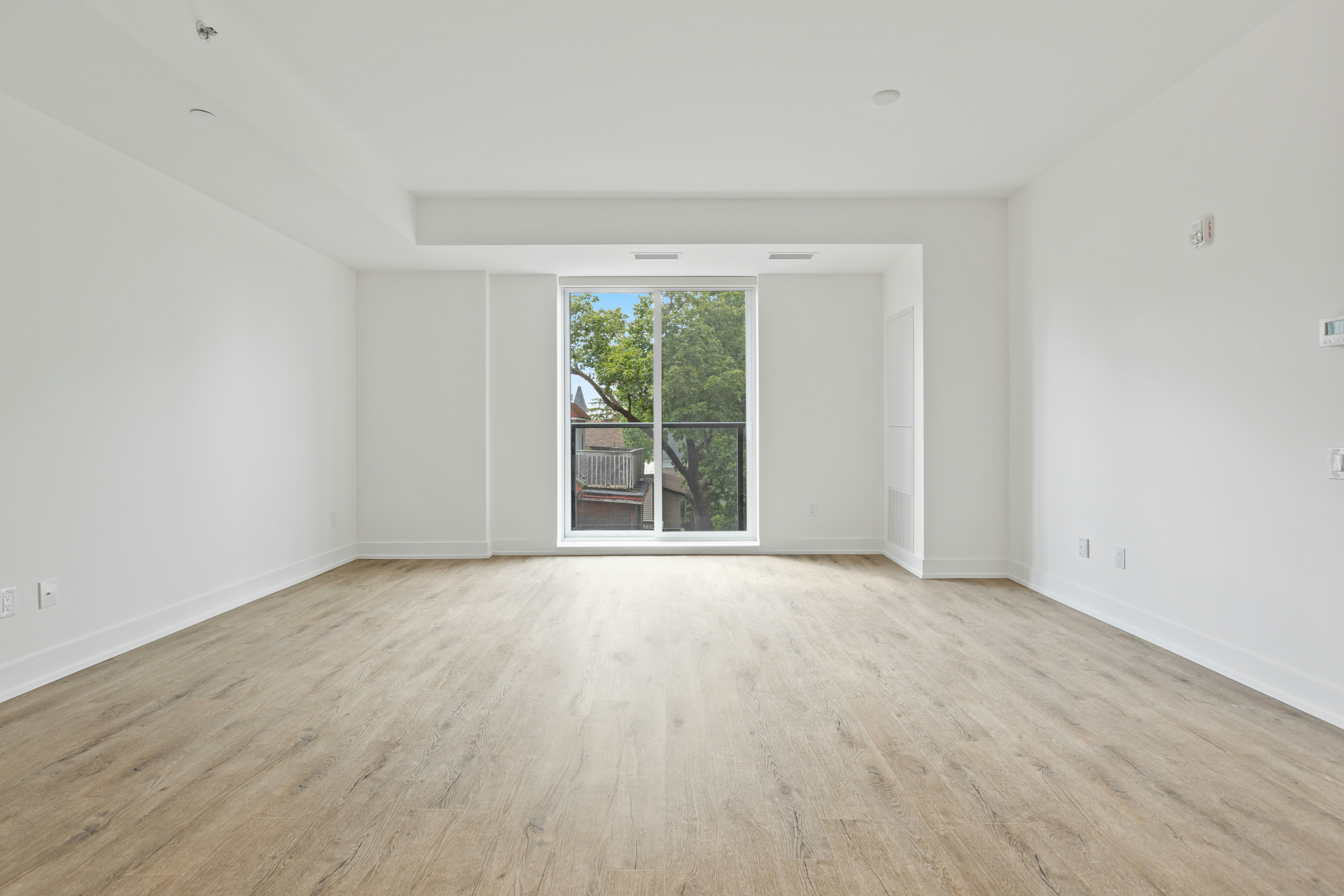
The Challenge: Before
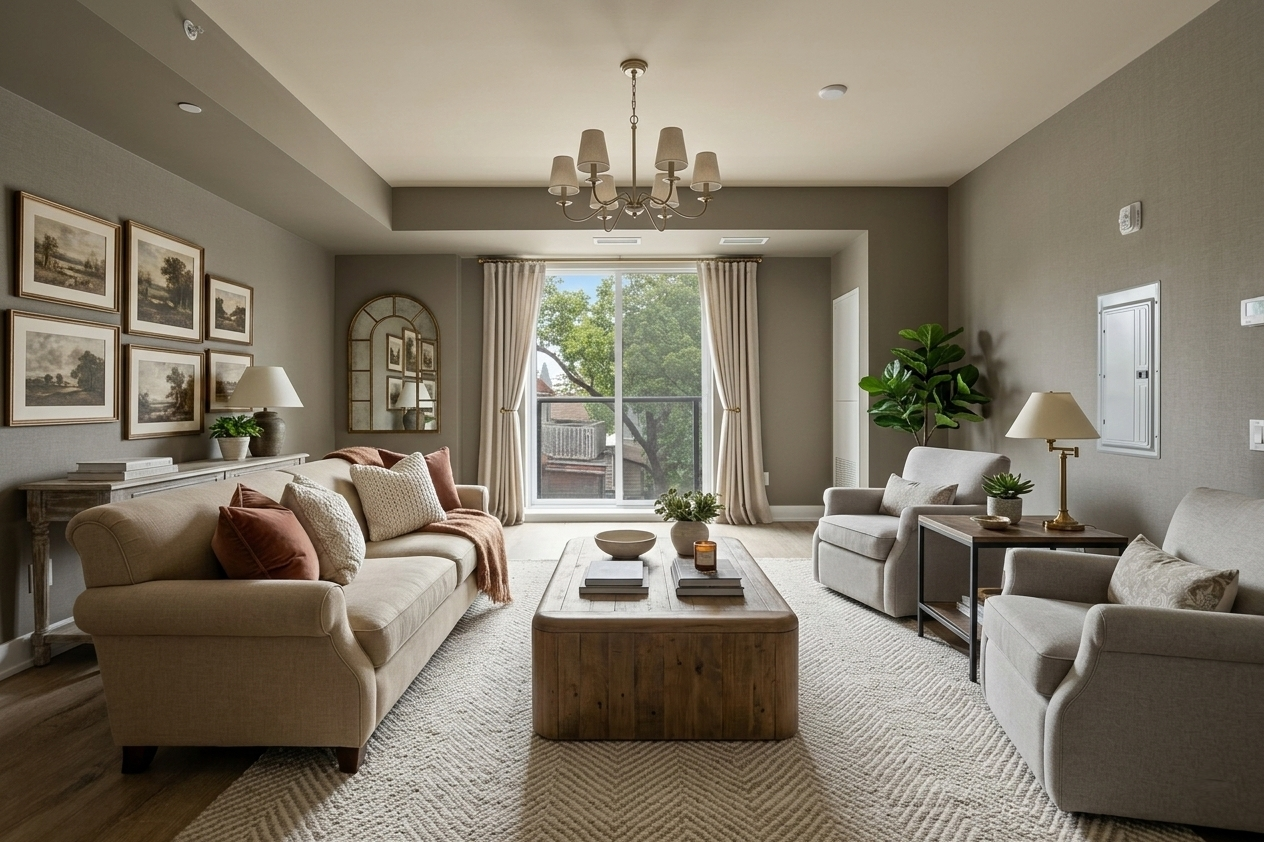
The Transformation: After (AI Generated)
Home Interior Design - Free AI Tool (2026)
Home interior design traditionally required either hiring expensive professional designers charging thousands per room, developing personal design expertise through years of study and practice, or relying on uncertain trial-and-error hoping furniture purchases and color choices work out well despite inability to preview results before committing significant money. This created accessibility barrier where most homeowners wanting beautiful functional spaces lacked both financial resources for professional help and design knowledge for confident DIY decisions, resulting in spaces that feel "fine" but fall short of their potential because design improvements seem either unaffordable or too risky to attempt without expert guidance. The democratization of professional-quality home interior design through modern technology represents transformative development making expert design intelligence accessible to everyone through simple AI-powered tools that generate photorealistic visualizations in 30 seconds based on uploaded photos and style preferences, eliminating both the cost barrier of professional services and the knowledge barrier of DIY approaches. This comprehensive guide explores what home interior design actually involves beyond superficial decoration, why most people struggle making confident design decisions despite abundance of inspiration sources, how AI technology solves accessibility problems through automated professional intelligence, what realistic expectations should guide modern design tool usage, and how to effectively transform your spaces using approaches that didn't exist even few years ago but now make professional-quality interior design achievable for literally everyone regardless of budget, experience level, or time availability.
What Home Interior Design Actually Means
Home interior design extends far beyond simple decoration or furniture shopping, encompassing comprehensive spatial planning, functional optimization, aesthetic cohesion, and experiential quality that together create environments supporting daily life while expressing personal identity and values. Professional interior design considers how spaces will be used including traffic patterns, activity zones, storage requirements, and behavioral patterns of occupants, ensuring layouts facilitate rather than frustrate daily routines and activities. This functional foundation proves essential because beautiful spaces that don't work practically create ongoing frustration undermining aesthetic achievements, while well-functioning spaces enhance daily life regardless of whether they win design awards or photograph impressively for social media.
The aesthetic dimension involves creating visual harmony through color relationships, proportional balance, textural variety, lighting design, and style consistency that together produce environments feeling intentional rather than accidentally assembled from disparate purchases made over time. Professional designers understand how colors interact creating moods, how furniture scale affects spatial perception, how lighting transforms atmosphere throughout day, and how style elements coordinate creating cohesive narratives rather than confusing mishmashes. This design intelligence separates professionally designed spaces from enthusiastically decorated ones where individual elements might look nice but don't work together creating greater whole because relationships between components weren't considered during selection and arrangement.
The experiential quality addresses how spaces feel emotionally and psychologically beyond just looking attractive in photographs. Well-designed interiors create specific atmospheres supporting activities and moods you want to cultivate—calm restful bedrooms promoting quality sleep, energizing offices supporting focused work, welcoming living rooms facilitating conversation and connection, or cozy reading nooks providing retreat from household activity. This experiential dimension requires understanding how design choices affect human psychology and behavior, knowledge most people don't possess but professional designers develop through training and experience enabling them to create spaces that don't just look good but actually improve daily life quality through thoughtful environmental design supporting wellbeing.
The practical implementation involves translating design visions into reality through appropriate product selection, budget management, timeline coordination, and problem-solving when inevitable complications arise during execution. Professional designers help clients navigate overwhelming product options, avoid expensive mistakes, prioritize spending for maximum impact, and troubleshoot issues emerging during implementation. This practical expertise proves valuable because beautiful design concepts become frustrating failures if products don't fit spaces, colors don't match expectations, budgets spiral out of control, or execution problems undermine original visions. The gap between design concept and successful implementation trips up many DIY efforts despite good intentions and inspiring Pinterest boards that don't translate smoothly to real-world execution.
Why Home Interior Design Feels Inaccessible
Professional Services Cost Thousands
Hiring interior designers represents luxury expense most homeowners cannot justify or afford with typical costs ranging from $3,000-$10,000 per room for comprehensive design services. These fees reflect legitimate professional value including expertise, time investment, and personalized attention but create insurmountable financial barrier for typical households managing mortgages, childcare, education costs, and daily expenses without thousands available for design consultation. The pricing structure positions professional interior design as luxury service for affluent clients rather than practical resource for average homeowners who need design guidance but cannot afford premium pricing reflecting years of professional training and accumulated experience designers rightfully charge for their expertise.
DIY Requires Knowledge Most Lack
The alternative to hiring professionals involves developing sufficient design knowledge yourself through extensive research, inspiration gathering, learning design principles, and hoping accumulated information translates into confident decisions about your spaces. However, most people lack time, interest, or aptitude for becoming amateur interior designers just to make informed furniture and color choices for their homes. The learning investment required to understand color theory, spatial planning, furniture scale relationships, lighting design, and style coordination exceeds what typical homeowners can or want to commit for occasional residential design needs that don't justify treating interior design as serious hobby requiring substantial educational investment before confident application.
Inspiration Doesn't Equal Direction
Pinterest, Instagram, Houzz, and design blogs provide unlimited inspiration showing beautiful spaces but don't translate inspiration into actionable direction for your specific spaces with different dimensions, lighting, architectural features, and constraints. Browsing thousands of gorgeous room photos creates more uncertainty than clarity as you accumulate vague ideas without understanding what would actually work in your real spaces versus the professionally designed, professionally photographed, professionally styled images you're admiring. The abundance of inspiration paradoxically increases decision paralysis rather than building confidence because you lack framework for evaluating which inspiring images represent achievable directions for your specific situation versus aspirational fantasy divorced from your reality.
Trial-and-Error Proves Expensive
The default approach involves making educated guesses about furniture purchases and design decisions hoping they work out well, accepting risk that expensive mistakes might require costly corrections through returns, resales, or living with unsatisfying results because replacing everything exceeds budget. This trial-and-error method wastes money on pieces that don't work, creates stress about decisions with significant financial implications, and often produces mediocre results that feel "fine" but lack the cohesion and intentionality of professionally designed spaces. The inability to preview how choices will look together before committing money creates anxiety around design decisions that should be enjoyable creative expression rather than stressful financial gambles with uncertain outcomes.
How AI Makes Home Interior Design Accessible
Professional Design Intelligence Without Professional Fees
AI interior design tools incorporate professional design intelligence trained on millions of expertly designed spaces, automatically applying principles about color coordination, furniture scale relationships, layout optimization, lighting design, and style consistency without requiring users to possess or develop this knowledge themselves. You benefit from professional-level design expertise through automated application of proven principles rather than needing to hire expensive consultants or become amateur designers yourself. This democratization of design intelligence makes professional-quality results accessible to everyone regardless of personal design knowledge, training, or experience level, solving the knowledge accessibility problem that previously made confident design decisions available only to trained professionals or dedicated hobbyists.
Instant Visualization Before Commitment
AI generates photorealistic visualizations showing your actual spaces transformed according to various design approaches in 30 seconds, allowing you to see how different styles, colors, furniture arrangements, and aesthetics would look in your real rooms before spending any money. This preview capability eliminates expensive trial-and-error by showing results before committing to purchases, dramatically reducing financial risk of design mistakes while building confidence that investments will produce desired outcomes. The ability to explore multiple directions rapidly through regeneration with different parameters enables comprehensive option evaluation revealing clear preferences through direct visual comparison rather than abstract contemplation of disparate inspiration images hoping they'll somehow coalesce into cohesive direction.
Zero Learning Curve
Traditional design approaches require extensive learning whether hiring professionals involves understanding design communication and process or DIY requires developing actual design knowledge. AI eliminates learning requirements entirely through simple interface where you upload photo, select style preference, and receive professional design in 30 seconds. This simplicity makes design accessible to literally everyone including those with zero design knowledge, no interest in learning design principles, limited time for extensive research, or simply preferring to focus attention on other priorities rather than becoming amateur interior designers. The elimination of learning barrier represents fundamental democratization making design available regardless of educational background, design aptitude, or willingness to invest time in skill development.
Free Accessibility
AI home interior design tools provide genuinely free service including professional photorealistic designs without watermarks, high-resolution downloads suitable for implementation planning, access to all design styles and room types, and ability to design multiple spaces strategically using included free designs. This eliminates the financial barrier of professional services costing thousands per room, making professional-quality design guidance available to everyone regardless of household income, budget constraints, or financial priorities. The free accessibility particularly benefits renters, young homeowners, budget-conscious families, and anyone for whom thousand-dollar design fees represent unaffordable luxury rather than practical resource allocation within realistic household budgets facing competing demands and limited discretionary spending.
Speed and Iteration
AI generates complete room designs in 30 seconds enabling rapid exploration of multiple directions through simple regeneration, transforming design from weeks-long contemplation into minutes of focused exploration revealing clear preferences through direct comparison. This speed makes comprehensive design consideration realistic rather than aspirational goal abandoned due to time constraints most people face. The rapid iteration also reduces decision anxiety by making exploration low-cost in terms of time investment—if you don't like generated design, generate another in 30 seconds rather than living with uncertain decisions because changing direction requires starting over with weeks of additional work discouraging reconsideration despite doubts about initial choices.
Using AI for Effective Home Interior Design
Understanding Your Spaces
Effective design begins with understanding your spaces including how rooms are actually used, what activities occur where, what storage needs exist, what traffic patterns emerge, and what functional problems need solving. Before generating designs, clarify priorities like "living room must accommodate large family gatherings," "bedroom needs to feel calm for good sleep," "kitchen requires efficient workflow for frequent cooking," or "office must minimize distractions for focused work." This functional clarity ensures design exploration serves actual needs rather than just pursuing aesthetically pleasing images that might not support how you actually live in spaces. AI can generate beautiful designs for any specification but you must provide the functional context ensuring aesthetic solutions support practical requirements.
Style Exploration and Discovery
Many people struggle articulating design preferences beyond vague notions like "I like modern" or "something cozy" without understanding specific characteristics defining styles or how different aesthetics would feel in their spaces. AI enables style discovery through rapid comparative generation where you request modern, traditional, Scandinavian, farmhouse, industrial, and bohemian versions of same room, immediately seeing how dramatically different aesthetics transform identical space. This direct comparison reveals preferences more effectively than abstract style quizzes or inspiration browsing because you're evaluating actual designs for your real space rather than generic examples requiring mental translation to your different context. Most users discover clear style preferences within 5-10 minutes of comparative exploration versus months of uncertain Pinterest browsing.
Iterative Refinement
First generated design rarely represents perfect final answer but serves as starting point for refinement through regeneration with adjusted parameters. If initial modern design feels too cold, request warmer modern variation. If traditional feels too formal, explore transitional bridging traditional and contemporary. If colors seem wrong, specify preferred palette. This iterative process quickly converges on directions matching preferences through concrete feedback based on actual visualizations rather than abstract descriptions of desired outcomes you might struggle articulating clearly. The rapid iteration cycle taking minutes total enables refinement that would require weeks coordinating with human designers through multiple revision rounds, making the exploration process itself more accessible and less intimidating.
Implementation Planning
Once you've selected preferred AI-generated design, use photorealistic image as implementation guide when furniture shopping showing specific styles and arrangements to pursue, paint selection providing clear color direction, contractor communication explaining renovation visions without ambiguity, and family consensus building around specific visual examples rather than abstract discussions. The realistic quality makes AI designs genuinely useful implementation tools versus inspirational images requiring interpretation and hoping real-world execution matches vision. Download and reference throughout implementation ensuring all purchasing and execution decisions align with established direction, preventing drift that occurs when making sequential isolated decisions without unified vision guiding overall cohesion.
Budget-Conscious Execution
AI designs show aspirational visions that might require budget adaptation during implementation through strategic prioritization, phased execution, or creative substitutions achieving similar effects at lower costs. Use generated designs showing what to pursue aesthetically while making practical budget decisions about which elements to implement immediately versus later, which to execute exactly as shown versus approximate through affordable alternatives, and where to invest for maximum impact versus economize without compromising overall vision. The clear direction makes budget optimization easier by showing target rather than forcing you to imagine desired outcomes while simultaneously managing financial constraints, enabling strategic compromises maintaining aesthetic integrity while respecting financial reality.
Common Home Interior Design Challenges AI Solves
Small Space Optimization
Small spaces require particularly thoughtful design maximizing functionality and visual spaciousness through furniture scale, color choices, layout efficiency, and storage solutions. AI automatically generates designs appropriate for your space's actual dimensions visible in uploaded photos, ensuring furniture scale suits room proportions and layouts optimize limited square footage. This automatic small-space intelligence helps you avoid common mistakes like oversized furniture overwhelming small rooms or layouts blocking traffic flow, providing designs that work practically in constrained spaces rather than aspirational visions requiring square footage you don't have.
Style Consistency Across Rooms
Creating cohesive aesthetic across multiple rooms challenges DIY designers who struggle maintaining consistent style vocabulary when making sequential isolated decisions room-by-room. AI enables whole-home planning by generating designs for all spaces using related style parameters, ensuring rooms feel connected through shared aesthetic language rather than representing disconnected design experiments each reflecting whatever inspiration caught attention during that particular decision phase. The consistency makes homes feel intentionally designed rather than accidentally assembled, creating pleasing flow as you move between spaces sharing complementary character.
Color Confidence
Color choices create particular anxiety because paint and major furniture represent significant investments difficult to reverse if colors don't work as expected. AI shows how colors actually look in your space with your lighting conditions before committing to purchases, dramatically reducing color decision anxiety. The photorealistic previews help you confidently select colors knowing they'll work rather than making uncertain guesses based on small paint chips or product photos that might not match how colors appear in your actual space with your specific lighting affecting color perception significantly.
Furniture Arrangement
Furniture arrangement significantly impacts room functionality and aesthetics but many struggle visualizing optimal layouts without physically moving heavy furniture experimenting with alternatives. AI shows effective arrangements accounting for traffic flow, conversation areas, focal points, and spatial balance without requiring you to understand layout principles or physically experiment. This preview capability helps you achieve functional attractive arrangements without the physical labor and guesswork of trial-and-error furniture positioning hoping to stumble upon configurations that work well.
Getting Started with AI Home Interior Design
Room Photography
Take clear photos of priority rooms from corners showing maximum space including windows, doors, and architectural features. Use adequate lighting revealing room details without harsh shadows. Temporarily clear excessive clutter allowing AI to focus on permanent spatial features. These preparation steps take few minutes improving AI analysis accuracy though technology handles typical smartphone photos quite well without requiring professional photography skills or equipment. Better photos enable better understanding of your space leading to more accurate design results reflecting your room's actual proportions and character.
Prioritization and Focus
Start with single priority room rather than attempting entire home simultaneously. This focused approach lets you learn the process, understand results, and build confidence before expanding to additional spaces. Most people start with living rooms or bedrooms as these significantly impact daily life and demonstrate AI capabilities effectively. Once you've successfully generated designs for first room and understand the process, expanding to additional spaces becomes straightforward since you've established workflow and realistic expectations through initial experience.
Style Exploration
Generate designs in several different styles even if you think you know preferences. Direct comparison between modern, traditional, Scandinavian, farmhouse, and other interpretations often reveals preferences you didn't consciously realize or shows that styles you thought you'd love don't actually resonate when visualized in your specific space. This exploration takes only minutes since each generation completes quickly, providing tremendous value through preference discovery and confirmation preventing expensive commitment to aesthetic directions that seemed appealing abstractly but don't work in reality.
Implementation Action
Once you've selected preferred design, take action rather than endless additional exploration. Download favorite design, create shopping list based on visualization, set implementation timeline, and begin executing rather than generating dozens more variations paralyzed by options. The design provides clear direction—trust it and move forward making real changes rather than remaining in perpetual planning mode never actually improving spaces because execution feels riskier than additional exploration despite having already reached good direction worth implementing.
Transform Your Home Interior Design Today
Home interior design traditionally required either unaffordable professional services, years developing personal design expertise, or risky trial-and-error hoping purchases work out well despite inability to preview results. These accessibility barriers meant most people lived in spaces that felt "fine" but fell short of potential because design improvements seemed either financially impossible or too uncertain to attempt confidently. Modern AI technology democratizes professional-quality interior design through simple tools generating photorealistic visualizations in 30 seconds, eliminating both cost barriers of professional services and knowledge barriers of DIY approaches while providing preview capabilities reducing financial risk of design mistakes. Whether you need single room transformation, whole-home cohesion, style direction clarity, or confident purchasing decisions, AI-powered interior design makes professional-quality results accessible to everyone regardless of budget, experience, or time availability through technology that didn't exist even few years ago but now fundamentally transforms how people can approach improving their living spaces.
Start Your Home Interior Design Free
Upload your room photo and receive professional AI-generated interior design in 30 seconds. No design experience needed, no fees, no consultations. Just instant beautiful results.
Related Home Interior Design Resources
Ready for Your Own AI Redesign?
Start Designing with AI →FAQs about Home Interior Design - Free AI Tool (2026)
Everything you need to know
What is an online interior designer?
Online interior designers are professionals providing design services remotely through digital platforms rather than in-person meetings. Traditional services like Decorist ($549-$1,249), Havenly ($199-$399), Modsy ($159-$1,699), and Laurel & Wolf ($1,500-$3,000+) charge per room for designers to create custom plans over 4-8 weeks through questionnaires, concept presentations, and revision rounds. AI interior designers like HouseGPTs offer revolutionary alternative generating professional photorealistic designs in 30 seconds based on photo uploads completely free without consultations, fees, or waiting periods while following professional design principles automatically.
How much does an online interior designer cost?
Traditional online interior designers cost varies: Havenly $199-$399 per room (budget tier), Decorist $549-$1,249 (mid-market), Modsy $159-$1,699 (3D visualization focus), Laurel & Wolf $1,500-$3,000+ (luxury tier). These fees cover designer time for consultation, concept development, presentations, revisions over 4-8 weeks. HouseGPTs AI interior designer is completely free including professional photorealistic designs without watermarks, high-resolution downloads, all design styles, multiple rooms. Optional paid upgrades add unlimited generations but free tier provides complete useful service without restrictions forcing payments.
Is hiring an online interior designer worth it?
Value depends on needs and budget. Traditional online designers ($200-$3,000+ per room, 4-8 weeks) make sense for: complex renovations needing custom solutions, extensive existing furniture requiring creative integration, uncertain preferences benefiting from designer guidance, luxury expectations valuing personalized service. AI interior designers (free, 30 seconds) better serve: straightforward visualization, rapid style exploration, design direction establishment, shopping preparation, contractor communication, budget constraints, time sensitivity. Most typical residential needs favor AI's instant free results over traditional designers' capabilities many homeowners don't need or cannot afford.
How long does online interior design take?
Traditional online interior designers require 4-8 weeks from initial contact to final approved design including questionnaire completion (1-2 hours), designer matching (days to weeks), concept development (1-2 weeks), presentation review, revision rounds (2-4 cycles over weeks), and finalization. Complex projects can extend months. AI interior designers generate complete professional designs in 30 seconds after photo upload and style selection. Exploring multiple styles takes 5-10 minutes total. This represents 1000x+ speed improvement making comprehensive design exploration practical versus traditional services' weeks-long processes.
Can I get a free online interior designer?
Yes, through AI-powered tools. Traditional services (Decorist, Havenly, Modsy) charge $200-$3,000+ per room with no genuinely free options beyond initial consultations. HouseGPTs AI provides completely free interior design including professional photorealistic designs without watermarks, high-resolution downloads suitable for implementation, access to all design styles (modern, traditional, Scandinavian, farmhouse, etc.), and ability to design multiple rooms. Optional paid upgrades add unlimited generations but free tier delivers complete useful service without artificial restrictions forcing payments for basic functionality.
What's better: Decorist or AI interior designer?
Different strengths for different needs. Decorist ($549-$1,249, 4-6 weeks) provides human designer creating custom solutions, personal consultation incorporating detailed feedback, specific existing furniture integration, comprehensive shopping assistance, and revision rounds. AI interior designer (free, 30 seconds) provides instant photorealistic visualization of your actual space, professional design intelligence automatically applied, unlimited style exploration, immediate results. For straightforward visualization and design direction, AI offers superior value through instant free results. For complex custom requirements or ongoing designer support, Decorist's human involvement may justify costs and timeline.
Do online interior designers come to your house?
No, online interior designers work entirely remotely through digital communication including email, video calls, and online platforms without in-person visits. Traditional services (Decorist, Havenly, Modsy) conduct everything digitally requiring you to provide photos, measurements, and information remotely. AI interior designers require only photo uploads of your spaces—no measurements, no video calls, no extensive questionnaires, no human meetings. Both traditional and AI online approaches are fully digital eliminating in-person assessment traditional local designers provide but making services accessible regardless of geographic location.
Can online interior designers see my actual room?
Yes, both traditional and AI approaches work from your actual room photos. Traditional designers require multiple photos from various angles plus measurements for understanding spaces remotely without in-person visits. AI interior designers analyze uploaded photos through computer vision instantly understanding room dimensions, proportions, lighting, architectural features, and existing elements, then generate designs specifically for your actual space rather than generic rooms. The AI personalization to your real room's characteristics often produces more applicable results than traditional designers working from photos and measurements they must interpret without experiencing spaces in person.