Virtual Staging Cost vs Physical Staging: Real Numbers (2026)
Article Contents
- Virtual Staging vs Physical Staging: Cost Comparison
- What Does Physical Home Staging Actually Cost?
- 1. Consultation and design
- 2. Furniture and decor rental
- 3. Delivery, installation, and removal
- 4. Additional rental months
- 5. Preparation and maintenance
- What Does Virtual Staging Cost in 2026?
- 1. Professional virtual-staging services
- 2. Hybrid AI and human editing
- 3. DIY AI virtual-staging tools
- A Worked Example: Staging a Three-Bedroom Listing
- Option 1: Physical staging
- Option 2: Professional virtual staging
- Option 3: HouseGPTs Basic AI rendering
- What does this comparison tell us?
- What You Give Up With Virtual Staging
- In-person showings
- Furniture scale and room proportions
- Light, texture, and atmosphere
- Buyer trust
- When Is Physical Staging Worth the Cost?
- When Does Virtual Staging Make More Sense?
- Virtual Staging Disclosure Rules You Should Not Ignore
- How to Get Better Virtual-Staging Results on a Small Budget
- Start with clear photographs
- Remove clutter first
- Match furniture to the room
- Choose a suitable design style
- Inspect every image
- Review listing photos before publishing
- Final Verdict: Which Staging Method Offers Better Value?
- Pricing methodology and sources
Virtual Staging Cost vs. Physical Staging
Quick answer: In the United States, physical home staging can cost around $4,000–$6,000 for a vacant home, depending on its size, location, furnishings, and rental period. Professional virtual staging commonly costs about $23–$35 per photo for mainstream human-assisted services, while AI tools can cost less than $1 per image under some subscription plans. For a 12-photo listing, that could mean approximately $276–$420 for professional virtual staging, compared with a few dollars in AI rendering costs on a suitable plan. However, subscription fees, unused credits, premium engines, and revisions can change the actual total. Virtual staging improves listing photos; physical staging also changes how the property looks during in-person viewings.
Virtual Staging vs Physical Staging: Cost Comparison
The following table provides indicative US-market estimates for 2026. These are budgeting ranges, not guaranteed quotes, and the options are not identical in scope.
Cost factor | Physical staging | Virtual staging service | Virtual staging with AI |
|---|---|---|---|
Typical pricing model | Furniture, labor, delivery, and rental | Price per edited photo | Credits, subscriptions, or pay-per-image |
Example price | $4,000–$6,000 for a vacant home | $23–$35 per photo | Potentially under $1 per image |
Example for 12 images | Not directly comparable | $276–$420 | Depends on plan and credits used |
Extra monthly cost | May apply while furniture remains rented | Usually none after delivery | Subscription fees may recur |
Turnaround time | Often several days to a few weeks | Commonly 1–3 days | Often seconds to minutes per render |
Improves online photos | Yes | Yes | Yes |
Improves physical showings | Yes | No | No |
Revisions | May require additional labor or rental changes | May incur extra charges | May consume additional credits |
Physical staging estimates depend on the number of rooms, furnishings, labor, rental duration, and local market. Angi's 2026 guide reports an average staging cost of $1,846 across home-staging projects, with vacant-home staging often costing more. Virtual-staging rates also vary by provider and plan.
What Does Physical Home Staging Actually Cost?
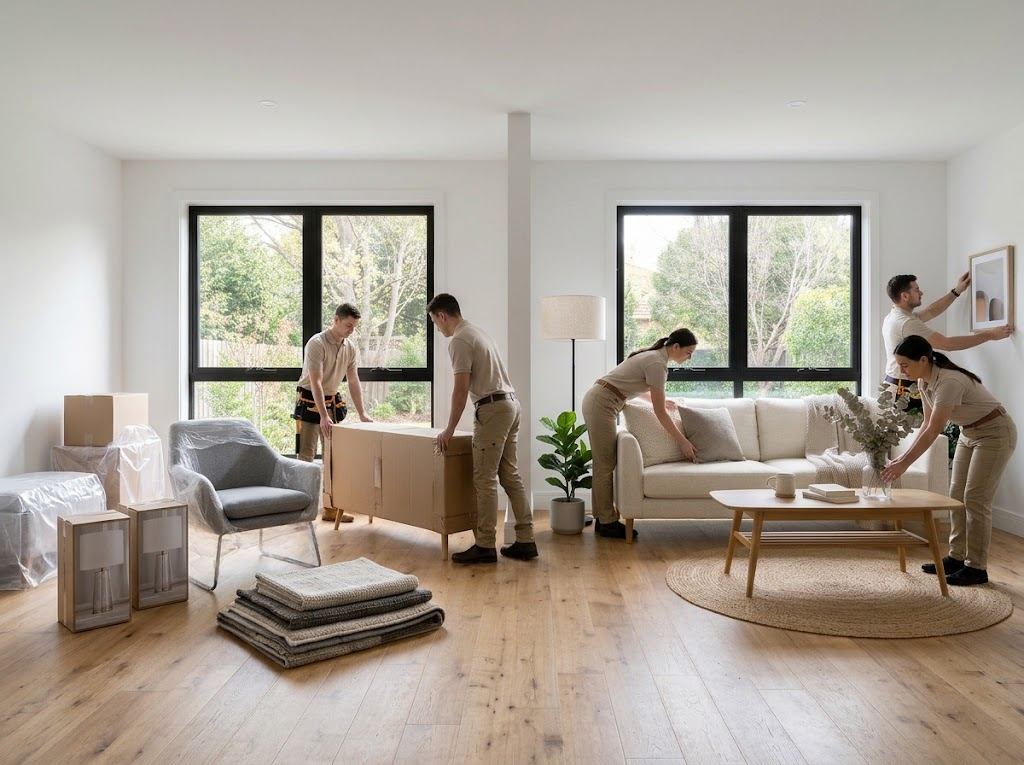
Physical home staging involves placing real furniture, rugs, artwork, lighting, and accessories inside a property to make it more appealing to prospective buyers.
The total cost usually includes several components.
1. Consultation and design
A professional stager may assess the property, recommend furniture arrangements, select a style, and identify rooms that need attention. Consultation fees vary by provider and project scope.
2. Furniture and decor rental
Furniture rental is often the largest expense for vacant properties. A living room, dining area, and primary bedroom may require substantial furnishings, while smaller rooms may need only a few pieces.
The price depends on furniture quality, the number of rooms, and how long the items remain in the property.
3. Delivery, installation, and removal
The staging company must transport furniture, arrange each room, and remove the items when the staging period ends. These costs may be included in a package or billed separately.
4. Additional rental months
If the property remains on the market longer than expected, the contract may require additional rental payments. Confirm the initial rental term, extension rates, and removal charges before signing.
5. Preparation and maintenance
Cleaning, minor repairs, landscaping, and keeping the home ready for showings can add to the total budget.
Example budget: A vacant three-bedroom property with several furnished rooms could cost approximately $4,000–$6,000 for physical staging in a higher-cost market. Smaller or partially staged homes may cost less, while luxury properties may cost substantially more. Obtain a local quote before using this range for a specific property.
Occupied homes can be cheaper to stage because the stager may be able to reuse existing furniture and decor.
What Does Virtual Staging Cost in 2026?
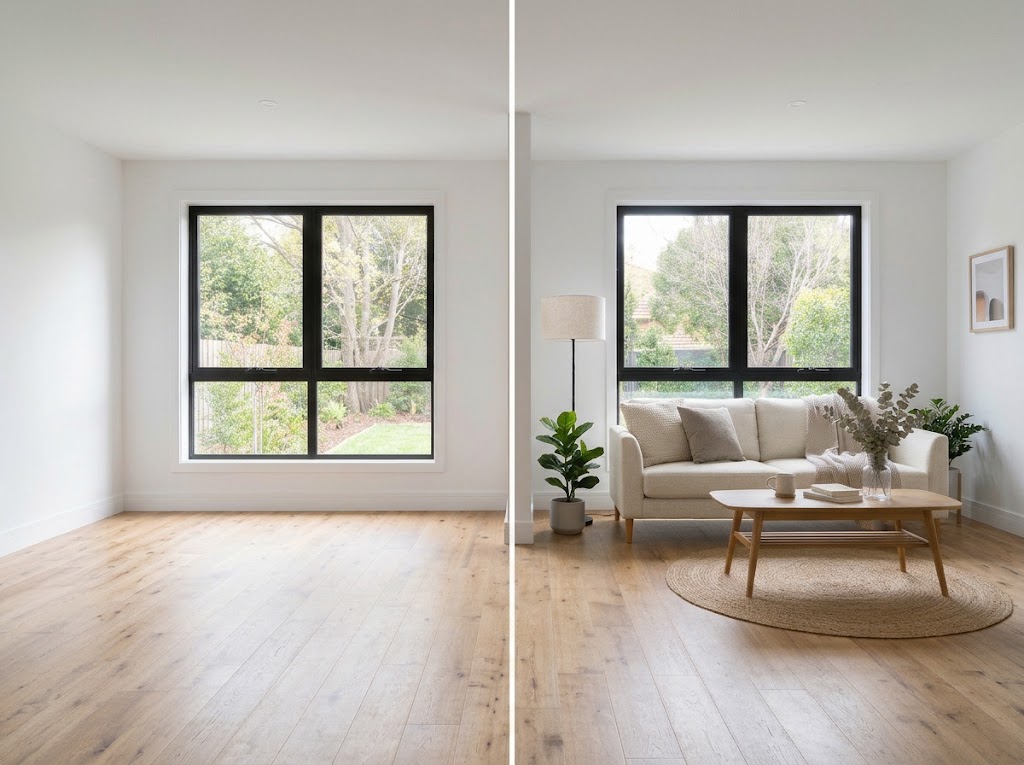
Virtual staging adds furniture and decor to property photographs using editing software or AI. The physical property remains unchanged.
There are three common approaches.
1. Professional virtual-staging services
A professional service digitally furnishes each image, often with a human designer reviewing or adjusting the result.
For planning purposes, a rate of approximately $23–$35 per image is a reasonable benchmark for some mainstream human-assisted services. Premium providers and specialized work may cost more.
For example:
4 photos: $92–$140
6 photos: $138–$210
12 photos: $276–$420
20 photos: $460–$700
These totals assume the same per-photo rate for every image. Minimum order fees, rush delivery, and revisions may increase the final bill.
2. Hybrid AI and human editing
Hybrid services use AI to create an initial design and then have a person review or refine the image. Pricing varies according to the provider and the level of manual editing.
A rate of $10–$30 per image can be used as an illustrative budgeting range, but it should not be treated as a universal 2026 industry average. Check the provider's current price list.
3. DIY AI virtual-staging tools
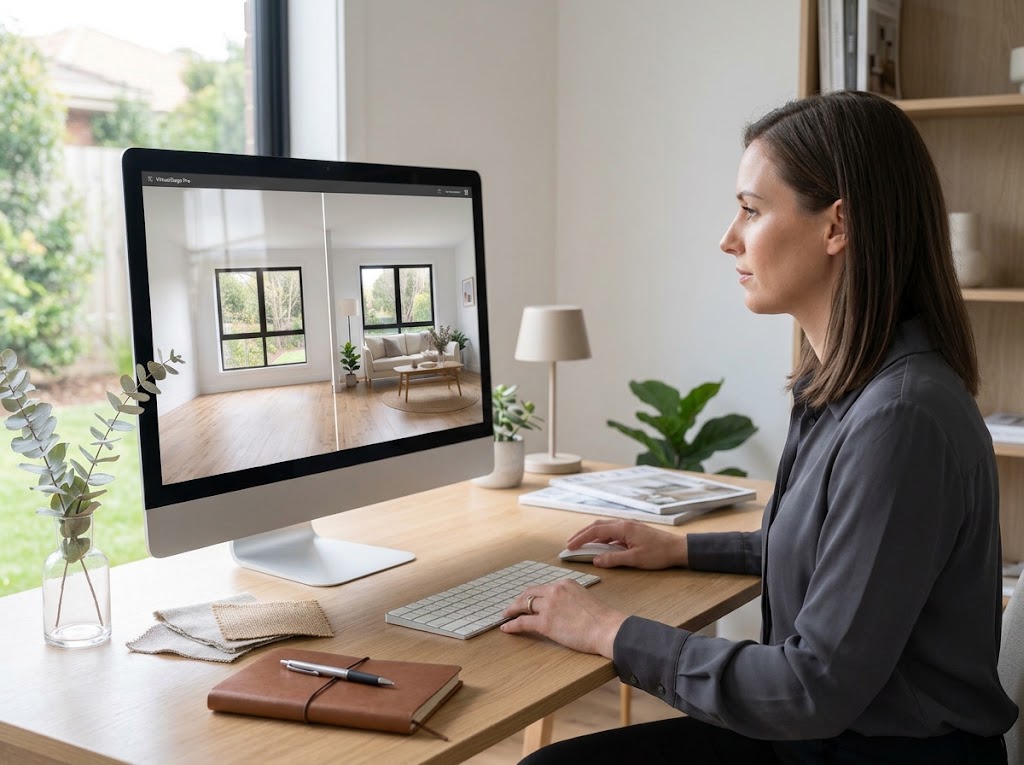
AI tools let you upload a room photo, choose a design style, and generate a furnished version without hiring a separate designer for every image.
Depending on the platform, an image may cost cents, less than $1, or several dollars. The actual cost depends on the subscription, number of credits, rendering engine, and number of attempts required.
For example, HouseGPTs lists its annual Starter plan at $240 per year with 6,000 credits. Its Basic engine uses 2 credits per render. That provides approximately 3,000 Basic renders if all credits are used for that engine.
HouseGPTs calculation:
Annual plan price: $240
Annual credit allowance: 6,000
Credits per Basic render: 2
Theoretical number of Basic renders: 3,000
Effective cost: $240 ÷ 3,000 = $0.08 per render
This is a calculation based on the listed annual plan, not a promise that every design will cost eight cents. Premium engines use more credits, and the monthly plan may have a different effective cost. The subscription must also be paid for, so the calculation assumes the plan is purchased and its credits are used.
You can compare current HouseGPTs pricing plans or try virtual staging with the available free watermarked renders.
Because HouseGPTs offers the tool discussed here, readers should compare its pricing and features with other providers before deciding which option suits them.
A Worked Example: Staging a Three-Bedroom Listing
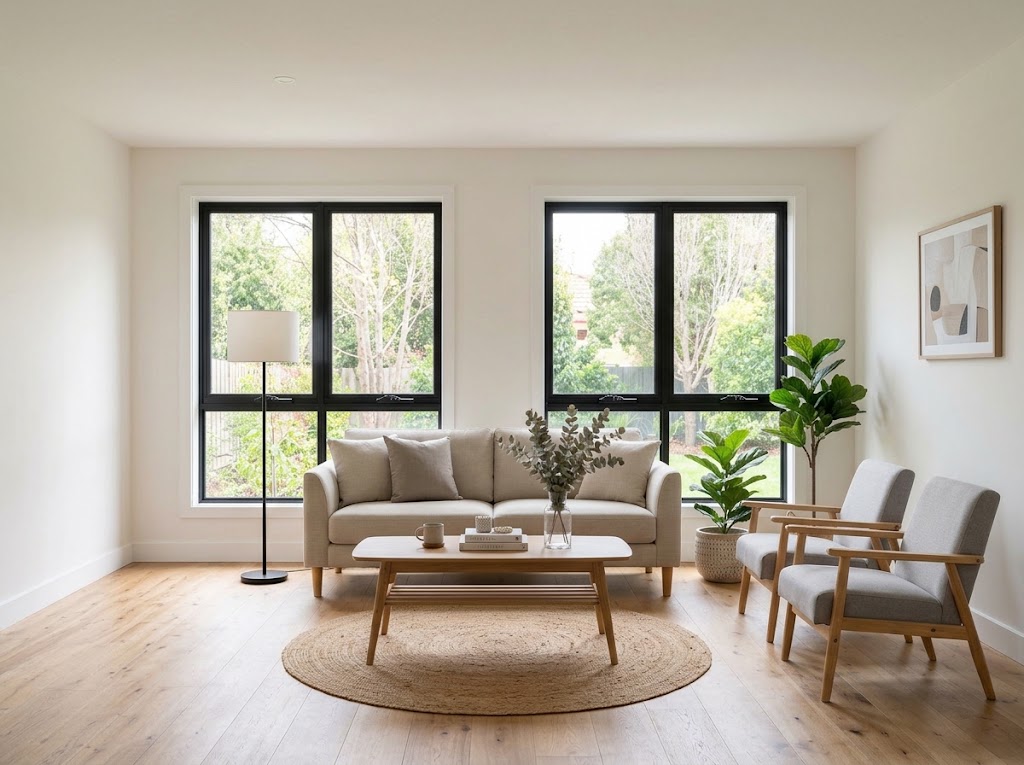
Consider a vacant three-bedroom home measuring 1,800 square feet. The agent has 12 listing photographs but decides to virtually stage six images: the living room, kitchen, dining area, primary bedroom, and two additional bedrooms.
The following comparison illustrates how different pricing models affect the budget.
Option 1: Physical staging
Suppose the agent receives a quote of $4,500 for the initial staging period.
If the contract covers 60 days and the property remains on the market longer, additional rental charges may apply. The actual total depends on the contract and local market.
Option 2: Professional virtual staging
At $30 per image:
6 photos × $30 = $180
If the service charges extra for revisions, those fees must be added. At this rate, staging all 12 photos would cost $360 before any extras.
Option 3: HouseGPTs Basic AI rendering
Using the listed annual Starter plan calculation:
6 renders × $0.08 = $0.48 in allocated rendering cost
This assumes one render per image and that the annual credit allowance is fully used at the Basic-engine rate. If some photos require multiple attempts or a premium engine, the cost increases.
The $0.48 figure is not the total cash price of a separate six-image order. The user pays for the annual subscription and must account for unused credits and other plan costs when assessing the real cost of a listing.
What does this comparison tell us?
Physical staging and virtual staging solve different problems. Physical staging can furnish the actual property for photographs and showings. Virtual staging is a way to create furnished listing images without transporting real furniture into the home.
AI can be substantially cheaper when the subscription is already purchased, and the credits are used efficiently. However, a fair comparison should consider the total amount paid, the number of images needed, quality, revisions, and whether real furniture is necessary for viewings.
What You Give Up With Virtual Staging
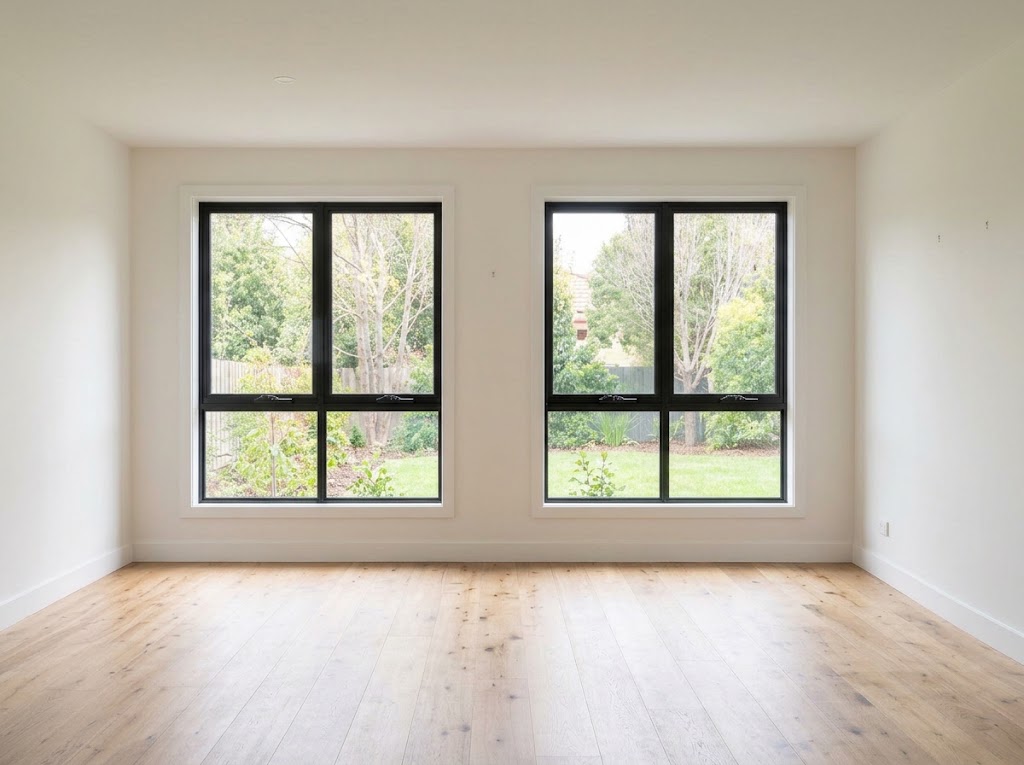
Virtual staging can help prospective buyers understand how an empty room might look when furnished, but it cannot reproduce the full experience of visiting a staged home.
In-person showings
A buyer may see an attractive furnished photograph online but arrive to find an empty room. Clearly labeling the image helps set expectations.
Furniture scale and room proportions
Digital furniture can look convincing even when the dimensions or placement are not realistic. Check whether the furniture fits the room and leaves sensible walking space.
Light, texture, and atmosphere
Real furniture, fabric, lighting, and accessories create a physical atmosphere that a photograph cannot fully reproduce.
Buyer trust
Poorly edited images, unrealistic furniture, or concealed defects can undermine confidence. Keep the original room's structure and appearance accurate.
When Is Physical Staging Worth the Cost?
Physical staging may be worth considering when:
You are selling a luxury property where buyers expect a polished viewing experience.
You anticipate frequent in-person showings or open houses.
The room layout is difficult to understand without furniture.
Comparable homes in the area use physical staging.
You want buyers to experience the furnished property rather than see it only in listing photos.
For example, on a high-value property, physical staging may be a reasonable part of the marketing budget. But staging alone cannot guarantee multiple offers, a faster sale, or a higher selling price.
When Does Virtual Staging Make More Sense?
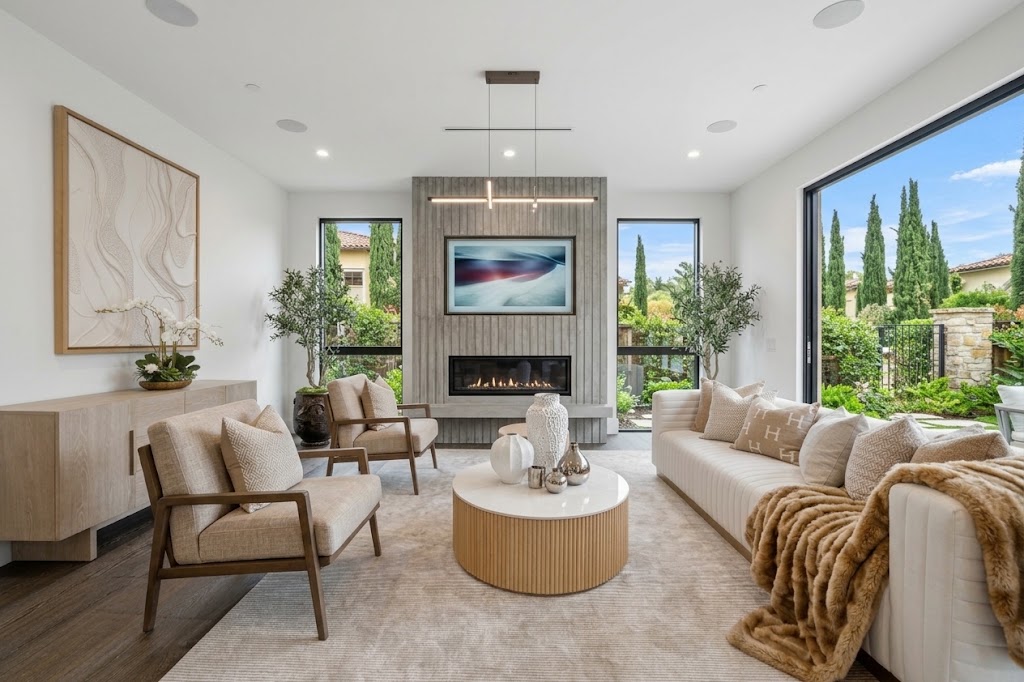
Virtual staging is often a practical option when:
The property is vacant, and you need listing photos on a limited budget.
You are an agent handling several listings.
The property is a rental or investment home.
You want to prepare marketing images quickly.
You need to show buyers a room's potential without renting furniture.
A mixed approach can also work well. Physically stage the most important rooms, such as the living room and primary bedroom, and digitally stage other empty rooms for online marketing.
This can reduce the number of rooms that require physical furnishings while giving buyers a better idea of the property's potential.
Virtual Staging Disclosure Rules You Should Not Ignore
Digitally adding furniture changes the appearance of a property photograph. Agents should check their local multiple listing service (MLS), brokerage rules, and applicable laws before publishing altered images.
A safe approach is to:
Clearly label digitally furnished images as "virtually staged."
Keep original photographs available where appropriate or required.
Avoid digitally concealing damage, structural problems, poor views, or permanent features.
Ensure furniture placement does not misrepresent the room's size or layout.
Check the applicable rules before uploading edited images to listing platforms.
Disclosure requirements vary by location and platform. Do not assume the same rule applies everywhere.
How to Get Better Virtual-Staging Results on a Small Budget
Start with clear photographs
Use bright, sharp images with straight vertical lines. Good source photos make it easier for an AI tool or human editor to create realistic results.
Remove clutter first
If a room is occupied, clear unnecessary objects before generating a new design. You can also explore the HouseGPTs virtual declutter tool.
Match furniture to the room
A large sectional sofa in a small living room may make the space look unrealistic. Choose furnishings that fit the room's proportions and leave practical walking areas.
Choose a suitable design style
Neutral, understated furniture is often a useful starting point for property listings. Consider the home's architecture, target buyer, and local market.
Inspect every image
Check chair legs, shadows, windows, floor edges, reflections, and furniture scale. Regenerate or correct images when the result looks inaccurate.
Review listing photos before publishing
A HouseGPTs listing photo analyzer can help you review property images before publishing.
If you also want to improve exterior marketing images, explore the HouseGPTs twilight photo editor.
Final Verdict: Which Staging Method Offers Better Value?
Virtual staging is a strong option for improving property photographs without paying for physical furniture, delivery, installation, and rental. Professional services may suit agents who want a human-reviewed result, while AI tools can reduce the cost of creating multiple design concepts.
Physical staging remains useful when buyers need to experience furnished rooms during in-person viewings. For some properties, combining both methods provides a practical balance between marketing photographs and the real-world viewing experience.
Before deciding, compare the complete costs rather than just the price per image. Include subscriptions, credit usage, revisions, rental periods, delivery, and the number of rooms you need to stage.
Ready to try AI-powered home design? Try HouseGPTs virtual staging, compare the available plans, or estimate a renovation budget with the HouseGPTs renovation cost calculator.
Pricing methodology and sources
The price examples in this article are illustrative US-dollar estimates, not guaranteed quotes. Physical-staging figures are based on published 2026 home-staging cost guidance, while virtual-staging ranges reflect published provider pricing and market comparisons. HouseGPT's per-render calculation is derived from the stated annual plan price, credit allowance, and Basic-engine credit cost.
Prices and plan features can change. Confirm current provider pricing and local staging quotes before you decide to purchase.
Ready for Your Own AI Redesign?
Start Designing with AI →FAQs about Virtual Staging Cost vs Physical Staging: Real Numbers (2026)
Everything you need to know
How much does virtual staging cost per photo in 2026?
Some mainstream professional human-assisted services cost approximately $23–$35 per image, while AI tools can cost less than $1 per image under suitable plans. Premium services, extra revisions, and different subscription structures can increase the total.
How much does it cost to virtually stage 12 photos?
At $23–$35 per photo, 12 images would cost approximately $276–$420 before any additional fees. With AI software, the cost depends on the subscription, credits, rendering engine, and number of attempts needed.
How much does physical home staging cost?
Physical staging varies by property and location. A vacant home may cost approximately $4,000–$6,000 in some US markets, while occupied, partially staged, and smaller properties can cost less. Luxury homes may cost considerably more. Get a local quote for an accurate budget.
Is virtual staging cheaper than physical staging?
Usually, virtual staging has a lower direct cost because it does not require physical furniture rentals, delivery, installation, and removal. The exact savings depend on the number of images, service type, software plan, and staging requirements.
Does virtual staging help a house sell?
Virtual staging can help buyers understand how an empty room might be used and can make online listing photos more informative. However, its effect on enquiries, offers, and selling time depends on the property, pricing, presentation, and local market. It does not guarantee a sale or a higher price.
Is virtual staging legal?
Virtual staging can be used for property marketing, but the applicable rules depend on location and listing platform. Check local MLS and brokerage requirements, disclose digitally altered images where required, and do not misrepresent the property's permanent features or condition.
Do I need to disclose that a photo is virtually staged?
Requirements vary. Clearly labeling virtually staged photographs and retaining original images is a sensible practice. Confirm the specific requirements that apply to your listing.
Can I stage a home myself for free?
Yes. If you already own suitable furniture, you can clean the property, remove clutter, rearrange furnishings, and improve lighting without paying a staging company. Virtual staging may still involve software or subscription costs.
How long does physical staging take?
The timeline depends on availability, property size, furniture selection, and installation requirements. It can take several days to a few weeks. Virtual staging may take minutes with AI software or a few days with a professional service.
Is AI virtual staging really eight cents per image on HouseGPTs?
Using the listed $240 annual Starter plan, 6,000 credits, and 2 credits per Basic render, the allocated cost is $0.08 per render if all credits are used at that rate. Premium engines use more credits, and the figure does not mean that an individual render can be purchased separately for eight cents.