Interior Designer Online - Free AI Alternative (2026)
Article Contents
- How Online Interior Designers Actually Work
- Why Online Interior Designers Remain Expensive
- Professional Expertise Commands Premium Pricing
- Personalized Service Requires Time Investment
- Platform and Business Infrastructure
- Revision Cycles Compound Costs
- Popular Online Interior Designer Services
- Decorist: Mid-Tier Online Design
- Havenly: Budget-Friendly Entry Point
- Modsy: 3D Visualization Emphasis
- Laurel & Wolf: Luxury Positioning
- AI Interior Designer: The Free Alternative
- Instant Professional Design Intelligence
- Cost Comparison: $3,000 vs Free
- Speed Comparison: Weeks vs Seconds
- Personalization Differences
- Quality and Results
- When to Hire Designer vs Use AI
- Hire Online Interior Designer When:
- Use AI Interior Designer When:
- The Sequential Approach
- Getting Started with AI Interior Designer
- Preparation for Success
- First Design Session
- Implementation Planning
- Try Free AI Interior Designer Today
- Related Interior Design Resources
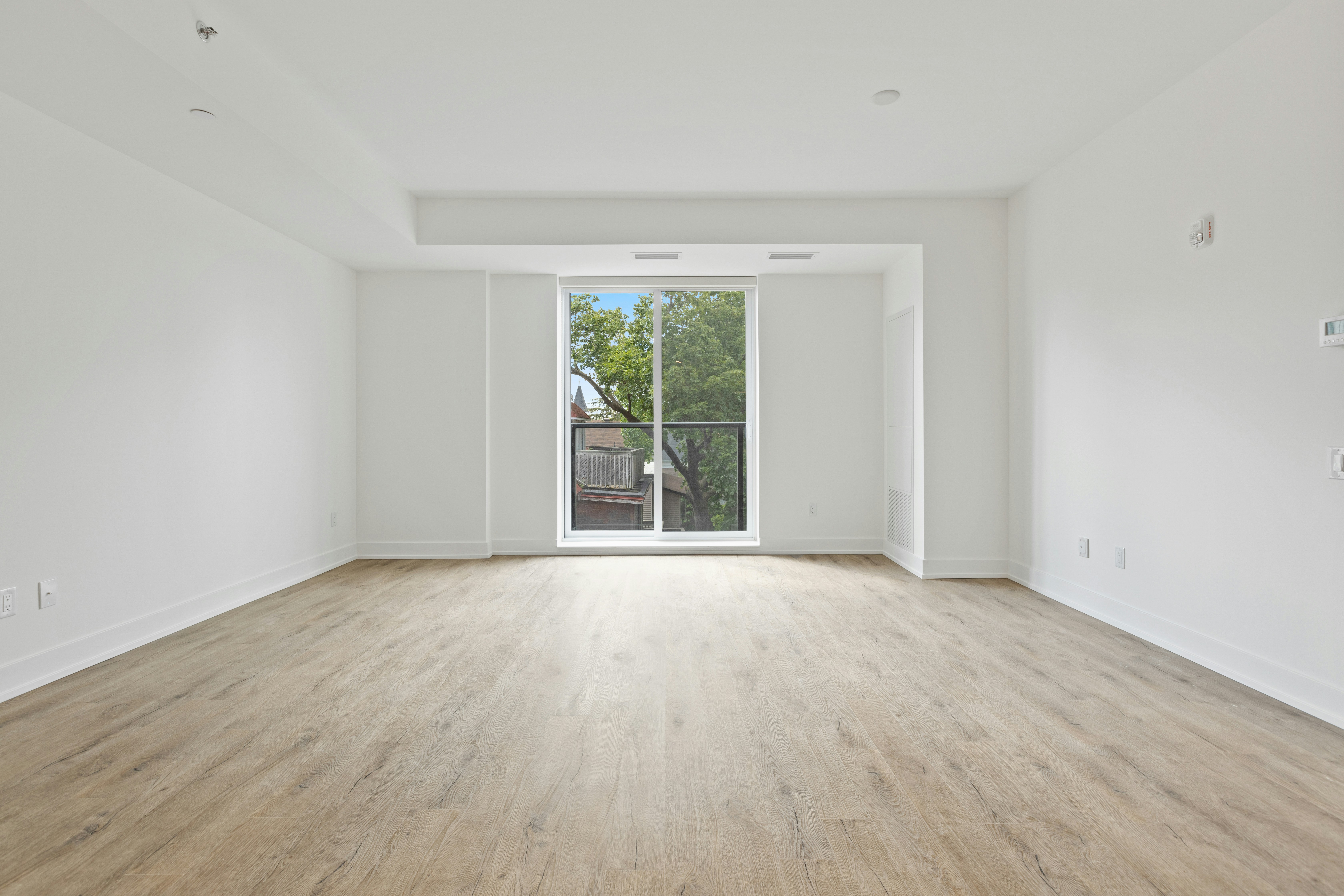
The Challenge: Before
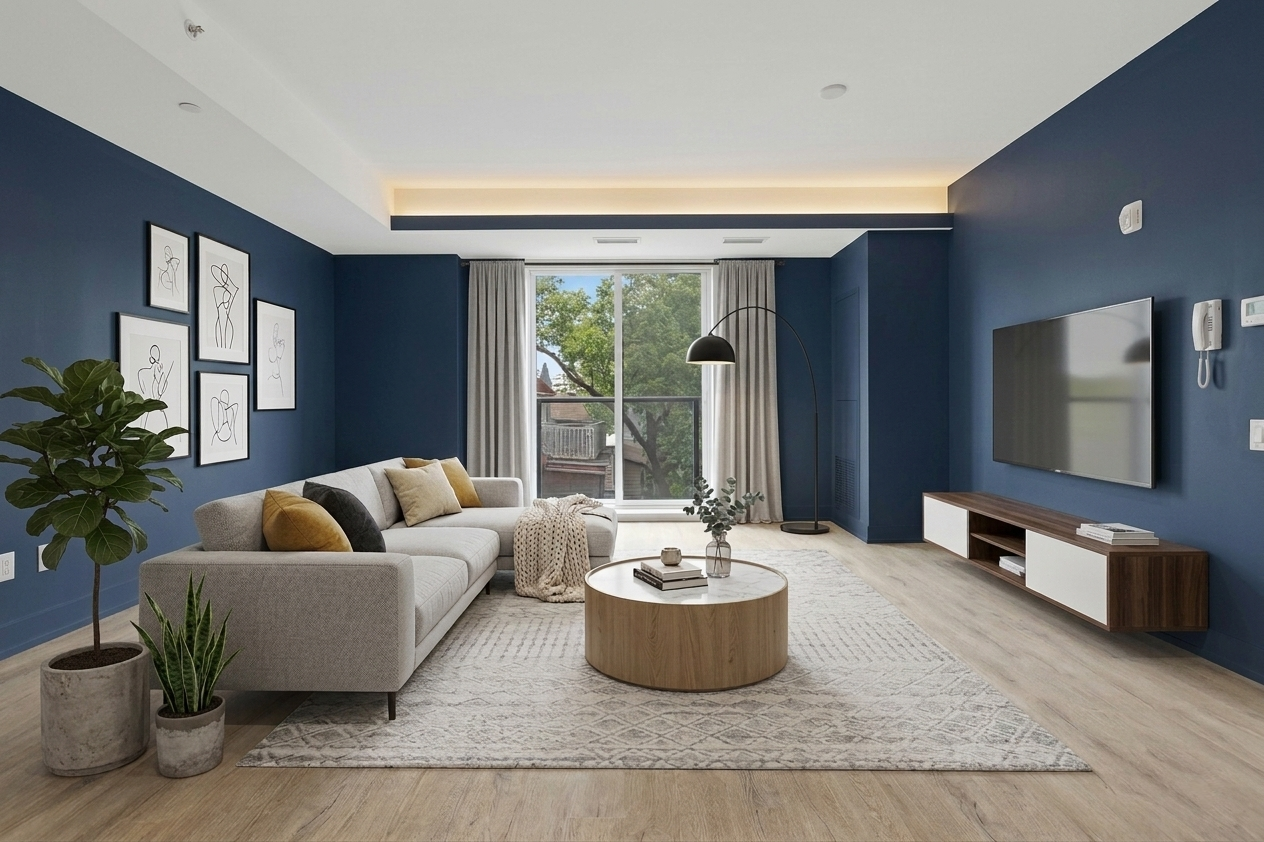
The Transformation: After (AI Generated)
Interior Designer Online - Free AI Alternative (2026)
Hiring an interior designer online promised to democratize professional design by removing geographic constraints, making talented designers accessible regardless of location through digital platforms connecting homeowners with professionals anywhere. However, online interior designers maintain traditional pricing structures charging $3,000-$10,000 per room for services that still require extensive consultations, questionnaire processes, weeks of back-and-forth communication, multiple revision rounds, and uncertain outcomes where final designs might not match expectations despite significant time and money invested. The digital delivery method doesn't fundamentally transform the expensive, slow, personalized service model that makes professional interior design inaccessible to most homeowners who need design guidance but cannot afford luxury service pricing or wait weeks for results. Modern AI technology offers revolutionary alternative providing professional design intelligence instantly through automated generation eliminating consultation fees, waiting periods, revision cycles, and outcome uncertainty while producing photorealistic visualizations in 30 seconds based on simple photo uploads and style preferences. This comprehensive guide explains how traditional online interior designers work, why they remain expensive despite digital platforms, how AI-powered alternatives solve accessibility problems, what realistic expectations should guide approach selection, and how to get professional-quality interior design without thousand-dollar fees or weeks-long processes that exclude typical homeowners from design services theoretically made accessible through online delivery but practically remaining luxury offerings for affluent clients.
How Online Interior Designers Actually Work
Online interior design services follow established workflow patterns beginning with initial discovery call or questionnaire where designers gather information about your style preferences, budget constraints, existing furniture to incorporate, room measurements and photos, functional requirements, and design goals. This intake process often consumes 1-2 hours as designers attempt to understand your aesthetic through digital communication lacking the intuitive understanding they'd develop through in-person meetings and relationship building. The questionnaire complexity frustrates many clients who struggle articulating design preferences or don't know how to answer questions about style inspirations, preferred color palettes, or desired room atmospheres without visual references or design vocabulary professionals take for granted.
After information gathering, services assign you a designer based on style compatibility, availability, experience level, and pricing tier selected. This matching introduces waiting period ranging from days to weeks before designer contact and project commencement. The assigned designer reviews your information, asks clarifying questions, potentially requests additional photos or measurements, and begins developing initial design concepts translating your inputs into actual proposals. This concept development typically requires 1-2 weeks for first presentation depending on designer workload, project complexity, and revision queues from other clients, during which you're waiting without visibility into progress or ability to influence direction before seeing initial results that might miss the mark requiring extensive revisions.
The designer presents initial concepts through digital design boards, furniture recommendations with product links, color palettes and material selections, layout suggestions with furniture arrangements, and often 3D renderings or mood boards visualizing proposed designs. You review these presentations providing feedback about elements that work, aspects needing changes, alternative directions to explore, and overall reactions to proposals. This revision cycle typically repeats 2-4 times over subsequent weeks as designer incorporates feedback, finds alternative furniture matching your preferences and budget, adjusts color schemes, modifies layouts, and refines proposals until you approve final design direction. Each revision round introduces additional waiting as designer processes feedback, conducts research, and generates updated presentations.
Final deliverables include comprehensive shopping lists with specific product recommendations and purchase links, detailed design boards showing complete room visions, room layouts indicating furniture placement and spacing, color and material palettes specifying paint colors and finishes, styling guides providing implementation instructions, and sometimes 3D renderings visualizing completed spaces. These deliverables represent culmination of weeks-long process and thousands in fees, providing clear direction for implementation but also marking end of designer involvement. Questions or issues arising during implementation often require additional paid consultation rather than being included in original scope, potentially creating unexpected costs beyond initial design fees already representing significant investment for most homeowners.
Why Online Interior Designers Remain Expensive
Professional Expertise Commands Premium Pricing
Online interior designers possess years of training through formal education, accumulated experience across numerous projects, developed aesthetic judgment recognizing what works visually and functionally, and cultivated vendor relationships accessing trade-only products and pricing. This professional expertise justifies compensation reflecting investment in skills, knowledge, and industry connections that distinguish trained designers from enthusiastic amateurs. Services charging $3,000-$10,000 per room reflect actual value of professional attention including multiple hours reviewing your situation, researching appropriate solutions, developing custom proposals, processing feedback, and coordinating implementation guidance. While online delivery reduces some overhead versus traditional design firms, the core expense involves compensating skilled professionals for personalized expertise rather than platform or technology costs.
Personalized Service Requires Time Investment
The customized approach distinguishing professional designers from generic inspiration sources demands substantial time investment that must be compensated through pricing. Each project requires designer attention spanning initial consultation and questionnaire review, concept development researching appropriate furniture and materials, presentation creation assembling proposals, revision processing incorporating feedback, and finalization ensuring client satisfaction. This personalized service might total 10-20 hours of designer time per room across entire process, with hourly rates of $150-500 depending on experience level and market positioning. The individualized attention creates value but necessarily increases costs versus automated approaches providing less customization but dramatically lower pricing through eliminating expensive human labor from every transaction.
Platform and Business Infrastructure
Online design platforms incur significant business costs including technology development and maintenance, customer acquisition through marketing and advertising, designer recruitment and vetting, quality control and project management, customer support handling inquiries, payment processing and financial operations, and general overhead including facilities and administration. These platform costs get recovered through pricing charged to customers, meaning portion of design fees supports business operations rather than just compensating your specific designer's work. While online platforms eliminate some traditional design firm costs like physical showrooms and local presence, digital businesses introduce different expenses around technology infrastructure, user acquisition, and scaling operations across geographic markets creating their own overhead requiring cost recovery through pricing.
Revision Cycles Compound Costs
The feedback and revision process allowing clients to influence final designs creates significant value but also drives costs through additional designer time processing input, researching alternatives, and regenerating presentations. Each revision round might require 2-4 hours of designer work reviewing feedback, sourcing different options, adjusting proposals, and preparing updated presentations. Services typically include 2-3 revision rounds in base pricing with additional revisions costing extra, but even included iterations represent substantial designer time investment that must be compensated. This revision capability distinguishes professional services from generic inspiration but necessarily increases costs versus automated approaches generating designs without human iteration cycles requiring compensation for professional time.
Popular Online Interior Designer Services
Decorist: Mid-Tier Online Design
Decorist charges $549-$1,249 per room positioning as established mid-market service with experienced designers, comprehensive deliverables, and 2-3 included revision rounds. The 4-6 week typical timeline reflects thorough design development including detailed consultation, extensive concept work, quality presentations, and revision processing. The service appeals to clients wanting substantial designer involvement and polish beyond budget services but not requiring luxury-tier pricing. However, the mid-four-figure costs per room represent significant investment requiring confidence that designer expertise justifies expense versus free alternatives providing instant results without financial commitment or uncertain outcome risks where final designs might not meet expectations despite thousands spent.
Havenly: Budget-Friendly Entry Point
Havenly offers accessible pricing at $199-399 per room making it among more affordable traditional online designers. The lower costs reflect constraints including limited revision rounds forcing quick approval or additional fees, junior designer assignments for entry packages versus experienced professionals, minimal ongoing support after final presentation, and streamlined process reducing thoroughness. The 2-4 week timeline and budget pricing make Havenly attractive entry point but value depends on whether limited revisions and support suffice for your needs and whether assigned designer's skill level matches your expectations at the price point offered.
Modsy: 3D Visualization Emphasis
Modsy differentiates through photorealistic 3D renderings showing designs in your actual photographed space, charging $159-$1,699 depending on service tier. The visualization technology helps clients better understand proposals versus abstract mood boards but requires very specific photo requirements many struggle meeting correctly, potentially resulting in inaccurate 3D representations undermining core value proposition. The rendering quality receives mixed reviews with some users finding outputs helpful while others note artificial appearance or spatial inaccuracies. The technology adds costs reflected in pricing while potentially not delivering proportional value if 3D quality disappoints or photo requirements prove too demanding for typical clients to satisfy properly.
Laurel & Wolf: Luxury Positioning
Laurel & Wolf (now Havenly Luxe) targets affluent market charging $1,500-$3,000+ per room for comprehensive services from senior designers including extensive consultation, unlimited reasonable revisions, concierge-level responsiveness, comprehensive shopping assistance, and ongoing implementation support. The luxury positioning essentially replicates traditional high-end designer relationships through digital delivery rather than transforming the service model, appealing to clients wanting personal designer attention without geographic constraints but willing to pay traditional luxury pricing for that service level. The 6-8 week timelines reflect thorough design development matching traditional luxury design pacing rather than attempting to accelerate processes through technology.
AI Interior Designer: The Free Alternative
Instant Professional Design Intelligence
AI interior designers provide professional design expertise through automated intelligence trained on millions of professionally designed spaces rather than requiring individual human designer attention for every project. You upload photo of your current space, select desired style from comprehensive options, optionally specify requirements, and receive professional AI-generated design in 30 seconds showing your room transformed according to design principles about color coordination, furniture scale, layout optimization, and style authenticity. This automated intelligence eliminates consultation fees, designer matching, waiting periods, and revision coordination while providing design quality following professional standards even though generated by AI rather than individual human designers.
Cost Comparison: $3,000 vs Free
Traditional online interior designers charge $200-$3,000+ per room depending on service tier and included features. AI interior design is genuinely free including professional photorealistic designs without watermarks, high-resolution downloads suitable for implementation, access to all design styles and room types, and ability to design multiple rooms using included free designs strategically. No consultation fees, no designer rates, no platform charges, no revision costs. The dramatic cost difference makes professional-quality design accessible to everyone rather than representing luxury service reserved for those affording thousands per room in design fees most typical homeowners cannot justify or afford.
Speed Comparison: Weeks vs Seconds
Traditional online designers require 4-8 weeks from initial contact to final approved design including questionnaire completion, designer matching, concept development, presentation review, revision rounds, and finalization. Complex projects can extend months. AI generates complete professional designs in 30 seconds after simple photo upload and style selection. Exploring multiple design directions takes 5-10 minutes total versus traditional services' weeks-long processes. This 1000x+ speed improvement transforms design from extended project into quick exploration, making comprehensive design consideration realistic rather than aspirational goal abandoned due to time constraints and patience limitations most people face.
Personalization Differences
Traditional services provide extensive human personalization through designer conversations, custom furniture sourcing, budget optimization, specific requirement accommodation, and revision rounds incorporating your detailed feedback. AI provides different personalization through computer vision analysis of your actual space's dimensions, proportions, lighting, and features visible in uploaded photos, ensuring designs account for your real room rather than generic spaces. However, AI doesn't provide conversation, custom sourcing, or human iteration based on verbal feedback—you either accept generated design, regenerate with different parameters, or use results as directional inspiration. For straightforward visualization, AI's automated personalization often suffices; for complex custom requirements, human involvement may prove valuable.
Quality and Results
Traditional designers produce custom proposals tailored to your specific situation including personally selected furniture matching your budget and style, custom color palettes developed for your preferences, thoughtful layouts optimized for your functional needs, and human creativity addressing unique challenges. AI generates designs following professional principles automatically applied including furniture scale appropriate for room proportions, color coordination creating harmonious palettes, layout optimization for traffic flow and function, and style authenticity maintaining aesthetic character. The quality approaches differ—human designers provide individualized creativity and problem-solving while AI offers automated professional intelligence—both producing results following design best practices though arriving through different paths serving different needs and constraints.
When to Hire Designer vs Use AI
Hire Online Interior Designer When:
Professional designers serve situations including complex renovations requiring custom solutions beyond standard approaches, extensive existing furniture needing creative integration across varied pieces, very specific requirements or constraints that generic parameters cannot capture, uncertain aesthetic preferences benefiting from designer education and guidance, budget optimization requiring professional knowledge sourcing affordable alternatives achieving high-end looks, ongoing support needs during implementation when questions and decisions arise, luxury expectations where personalized service and designer relationship provide value beyond functional outcomes, and willingness to invest thousands and weeks for comprehensive professional service. These scenarios justify traditional designer costs and timelines through value automated approaches cannot currently deliver.
Use AI Interior Designer When:
AI excels at straightforward visualization showing existing spaces with different aesthetics, rapid style exploration comparing how various designs transform identical room, design direction establishment providing clear aesthetic vision before spending money, shopping preparation creating reference images guiding furniture purchasing, contractor communication through photorealistic visualizations explaining desired results, budget consciousness when thousands for design fees don't fit financial reality, time sensitivity when weeks for traditional services exceeds patience or project timeline, and simple updates like furniture rearrangement or color changes not requiring extensive custom design work. Most typical residential design needs fall into these categories making AI appropriate solution providing superior value through instant free results.
The Sequential Approach
Many benefit from combining both strategically: AI first for rapid direction-setting and style clarity generating multiple options revealing preferences through direct comparison, then traditional designers later if projects escalate into complexity beyond straightforward visualization benefiting from professional custom solutions, implementation guidance, or ongoing support. This sequence prevents overpaying for basic visualization AI handles instantly while preserving option to engage professionals if projects prove more complex than initially expected or you discover need for human designer expertise after establishing basic direction through AI exploration clarifying aesthetic goals and functional requirements.
Getting Started with AI Interior Designer
Preparation for Success
Maximize AI designer effectiveness by photographing priority rooms clearly from corners showing maximum space, ensuring adequate lighting revealing room details, temporarily clearing excessive clutter allowing AI to focus on permanent features, and taking multiple angles if unsure which provides best perspective. Better photos enable better AI analysis though technology handles typical smartphone photos quite well without requiring professional photography. The few minutes invested in quality photos pays dividends through more accurate space understanding and better design results matching your actual room's proportions and character.
First Design Session
Approach first AI session by uploading your best room photo, selecting 2-3 different styles for comparative generation, evaluating designs based on emotional appeal and practical functionality, downloading favorites as implementation references, and generating few more variations exploring promising directions. This complete process typically takes 10-15 minutes total providing design clarity that traditional designers might require weeks achieving through extensive back-and-forth communication and multiple revision rounds. Most users discover clear preferences within single focused session rather than remaining uncertain after extensive professional consultation.
Implementation Planning
Use AI-generated designs practically by downloading as shopping references showing furniture styles and arrangements, sharing with contractors communicating renovation visions, showing family members building consensus, and referencing throughout implementation ensuring decisions align with overall vision. The photorealistic quality makes designs genuinely useful versus requiring interpretation of mood boards or translation of 3D renders into real-world expectations. Unlike traditional designers requiring additional work beyond final presentations for implementation questions, AI images serve directly as visual references guiding all decisions without additional consultation needs for straightforward residential projects.
Try Free AI Interior Designer Today
Online interior designers made professional design geographically accessible while maintaining expensive fees, lengthy timelines, complex processes, and uncertain outcomes that exclude typical homeowners wanting design guidance without thousand-dollar investments and weeks-long waits. Modern AI technology revolutionizes access to interior design expertise through instant free generation eliminating consultation fees, questionnaire processes, designer matching, revision cycles, and waiting periods while producing photorealistic visualizations following professional design principles. Whether you need quick room visualization, comprehensive style exploration, clear design direction, shopping guidance, or confident implementation planning, AI-powered interior designers deliver these outcomes in 30 seconds versus traditional services requiring weeks and significant financial investment for similar or often inferior results given the visualization quality limitations many online designers struggle with despite premium pricing.
Get Professional Interior Designer Free
Upload your room photo and receive AI-generated professional design in 30 seconds. No consultations, no fees, no waiting. Just instant professional results.
Related Interior Design Resources
Ready for Your Own AI Redesign?
Start Designing with AI →FAQs about Interior Designer Online - Free AI Alternative (2026)
Everything you need to know
What is an online interior designer?
Online interior designers are professionals providing design services remotely through digital platforms rather than in-person meetings. Traditional services like Decorist ($549-$1,249), Havenly ($199-$399), Modsy ($159-$1,699), and Laurel & Wolf ($1,500-$3,000+) charge per room for designers to create custom plans over 4-8 weeks through questionnaires, concept presentations, and revision rounds. AI interior designers like HouseGPTs offer revolutionary alternative generating professional photorealistic designs in 30 seconds based on photo uploads completely free without consultations, fees, or waiting periods while following professional design principles automatically.
How much does an online interior designer cost?
Traditional online interior designers cost varies: Havenly $199-$399 per room (budget tier), Decorist $549-$1,249 (mid-market), Modsy $159-$1,699 (3D visualization focus), Laurel & Wolf $1,500-$3,000+ (luxury tier). These fees cover designer time for consultation, concept development, presentations, revisions over 4-8 weeks. HouseGPTs AI interior designer is completely free including professional photorealistic designs without watermarks, high-resolution downloads, all design styles, multiple rooms. Optional paid upgrades add unlimited generations but free tier provides complete useful service without restrictions forcing payments.
Is hiring an online interior designer worth it?
Value depends on needs and budget. Traditional online designers ($200-$3,000+ per room, 4-8 weeks) make sense for: complex renovations needing custom solutions, extensive existing furniture requiring creative integration, uncertain preferences benefiting from designer guidance, luxury expectations valuing personalized service. AI interior designers (free, 30 seconds) better serve: straightforward visualization, rapid style exploration, design direction establishment, shopping preparation, contractor communication, budget constraints, time sensitivity. Most typical residential needs favor AI's instant free results over traditional designers' capabilities many homeowners don't need or cannot afford.
How long does online interior design take?
Traditional online interior designers require 4-8 weeks from initial contact to final approved design including questionnaire completion (1-2 hours), designer matching (days to weeks), concept development (1-2 weeks), presentation review, revision rounds (2-4 cycles over weeks), and finalization. Complex projects can extend months. AI interior designers generate complete professional designs in 30 seconds after photo upload and style selection. Exploring multiple styles takes 5-10 minutes total. This represents 1000x+ speed improvement making comprehensive design exploration practical versus traditional services' weeks-long processes.
Can I get a free online interior designer?
Yes, through AI-powered tools. Traditional services (Decorist, Havenly, Modsy) charge $200-$3,000+ per room with no genuinely free options beyond initial consultations. HouseGPTs AI provides completely free interior design including professional photorealistic designs without watermarks, high-resolution downloads suitable for implementation, access to all design styles (modern, traditional, Scandinavian, farmhouse, etc.), and ability to design multiple rooms. Optional paid upgrades add unlimited generations but free tier delivers complete useful service without artificial restrictions forcing payments for basic functionality.
What's better: Decorist or AI interior designer?
Different strengths for different needs. Decorist ($549-$1,249, 4-6 weeks) provides human designer creating custom solutions, personal consultation incorporating detailed feedback, specific existing furniture integration, comprehensive shopping assistance, and revision rounds. AI interior designer (free, 30 seconds) provides instant photorealistic visualization of your actual space, professional design intelligence automatically applied, unlimited style exploration, immediate results. For straightforward visualization and design direction, AI offers superior value through instant free results. For complex custom requirements or ongoing designer support, Decorist's human involvement may justify costs and timeline.
Do online interior designers come to your house?
No, online interior designers work entirely remotely through digital communication including email, video calls, and online platforms without in-person visits. Traditional services (Decorist, Havenly, Modsy) conduct everything digitally requiring you to provide photos, measurements, and information remotely. AI interior designers require only photo uploads of your spaces—no measurements, no video calls, no extensive questionnaires, no human meetings. Both traditional and AI online approaches are fully digital eliminating in-person assessment traditional local designers provide but making services accessible regardless of geographic location.
Can online interior designers see my actual room?
Yes, both traditional and AI approaches work from your actual room photos. Traditional designers require multiple photos from various angles plus measurements for understanding spaces remotely without in-person visits. AI interior designers analyze uploaded photos through computer vision instantly understanding room dimensions, proportions, lighting, architectural features, and existing elements, then generate designs specifically for your actual space rather than generic rooms. The AI personalization to your real room's characteristics often produces more applicable results than traditional designers working from photos and measurements they must interpret without experiencing spaces in person.