AI Interior Design - Free Generator Tool (2026)
Article Contents
- What Is AI Interior Design?
- How AI Interior Design Works
- Step 1: Photo Upload and Analysis
- Step 2: Style Selection and Requirements
- Step 3: AI Design Generation
- Step 4: Result Evaluation and Refinement
- Step 5: Implementation Planning
- AI vs Traditional Interior Design Methods
- AI Interior Design vs Professional Designers
- AI Interior Design vs DIY Inspiration Browsing
- AI Interior Design vs 3D Design Software
- What Can AI Interior Design Do?
- Complete Room Transformations
- Style Exploration and Comparison
- Furniture Arrangement Optimization
- Color Palette Development
- Material and Finish Selection
- Lighting Design Integration
- Limitations and Realistic Expectations
- AI Generates Direction, Not Construction Documents
- Results Reflect Training Data and Current Trends
- Implementation Requires Real-World Adaptation
- Quality Depends on Input Photo Quality
- Getting Started with AI Interior Design
- Prepare Your Space Photos
- Define Your Design Goals
- Start with Single Room
- Explore Multiple Styles
- Use Designs as Shopping Guides
- Try Free AI Interior Design Today
- Related AI Interior Design Resources
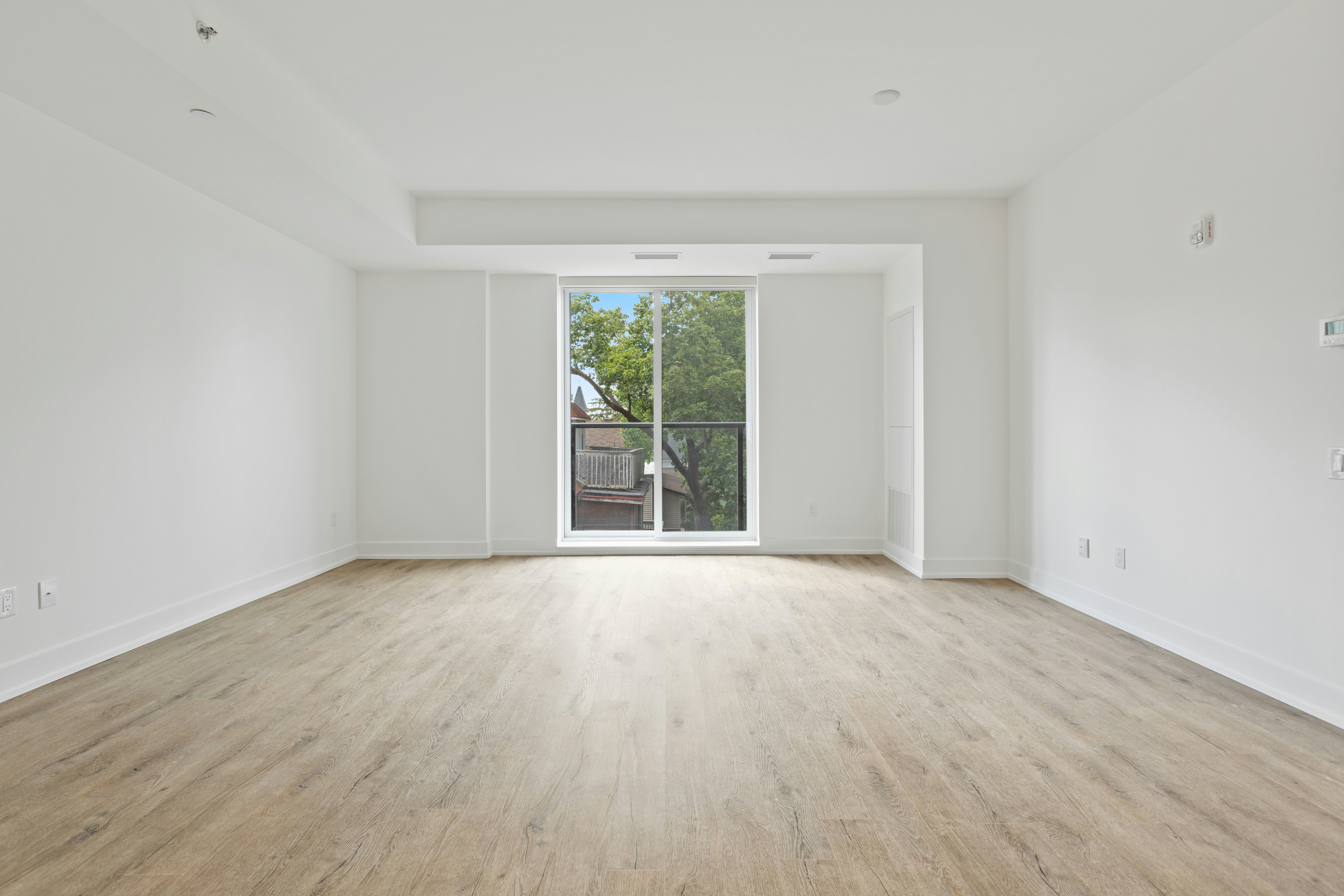
The Challenge: Before
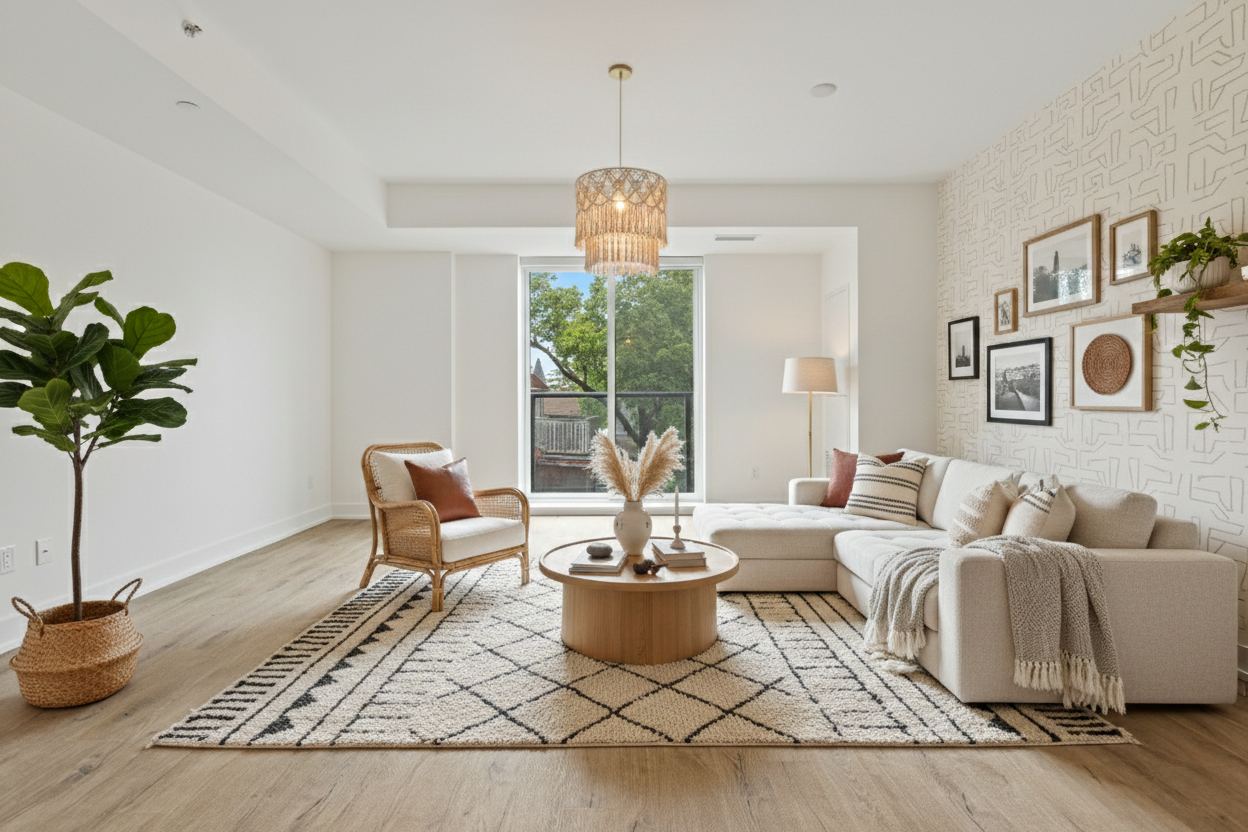
The Transformation: After (AI Generated)
AI Interior Design - Free Generator Tool (2026)
Artificial intelligence has fundamentally transformed interior design from exclusive professional service requiring thousands in consulting fees into accessible technology anyone can use instantly through simple photo uploads and AI-powered generation. Traditional interior design demanded either expensive designer consultations ranging from $3,000-$10,000 for complete room designs or DIY approaches requiring significant design knowledge, spatial reasoning ability, and countless hours browsing inspiration hoping to accidentally discover cohesive vision. AI interior design eliminates both barriers through automated intelligence incorporating professional design principles while generating photorealistic visualizations of your actual space in seconds rather than weeks, making professional-quality interior design accessible to everyone regardless of budget, experience level, or time availability. This comprehensive guide explains how AI interior design works, why it represents revolutionary advancement over traditional approaches, what results you can realistically expect, and how to use AI design tools effectively to transform your spaces confidently without expensive consultations or design training previously considered essential for achieving beautiful, functional interiors.
What Is AI Interior Design?
AI interior design uses artificial intelligence trained on millions of professionally designed spaces to automatically generate complete room designs based on your uploaded photos and style preferences. The technology analyzes your room's dimensions, proportions, lighting conditions, architectural features, and existing elements through computer vision, then applies design intelligence understanding color theory, furniture scale relationships, layout optimization principles, and style-specific characteristics to create photorealistic visualizations showing your space transformed according to professional design standards. Unlike traditional 3D design software requiring manual room construction and furniture placement, AI generates complete designs automatically in 30 seconds, handling thousands of micro-decisions about what furniture works where, which colors coordinate beautifully, how to optimize traffic flow, and how to create balanced compositions following proven design principles.
The AI doesn't simply rearrange existing furniture catalog items like traditional design software but rather creates entirely new designs from scratch based on understanding what makes rooms work aesthetically and functionally. The technology learned design principles by analyzing professional interior photographs, designer portfolios, architectural documentation, and design theory literature, developing implicit understanding of relationships between elements that professional designers develop through years of training and practice. When you request modern living room design, the AI doesn't just retrieve modern furniture images but generates cohesive vision incorporating appropriate furniture styles, color palettes, material selections, lighting approaches, and decorative elements that authentically represent modern aesthetic while suiting your specific space's proportions and character.
This intelligence allows AI to handle design complexity that overwhelms most non-professionals attempting DIY approaches. The technology automatically ensures furniture scale suits room proportions, preventing common mistakes like oversized sofas in small rooms or undersized furniture lost in large spaces. It coordinates colors across multiple elements creating harmonious palettes rather than accidentally clashing combinations. It optimizes layouts for traffic flow and conversation areas rather than creating awkward arrangements that look good in floor plans but function poorly in reality. It maintains style consistency across all elements rather than mixing incompatible aesthetics because individual pieces looked appealing in isolation. These automatic optimizations represent thousands of design decisions AI handles invisibly while users simply select preferred overall directions.
The photorealistic output quality distinguishes AI interior design from older 3D rendering approaches that produced obviously computer-generated images. Modern AI generates images appearing like professional interior photography, making it easy to visualize and emotionally connect with proposed designs. This realism helps users confidently evaluate whether they'd actually like designs implemented in their real spaces rather than struggling to interpret abstract 3D renders or imagine how inspiration photos from different contexts might translate to their specific situations. The photographic quality also makes AI-generated designs useful for practical purposes like showing contractors exactly what you want, shopping for furniture matching your vision, or getting family consensus around specific plans rather than debating abstract possibilities.
How AI Interior Design Works
Step 1: Photo Upload and Analysis
The process begins by uploading a photo of your current space using phone camera or any existing image showing the room clearly. The AI analyzes this photo through computer vision understanding room dimensions and proportions, window and door placements, ceiling height indicators, architectural features like fireplaces or built-ins, natural light quality and direction, existing furniture and objects, spatial relationships between elements, and overall room character. This analysis happens automatically in milliseconds, extracting comprehensive information about your space without requiring manual measurements or technical specifications. The photo-based approach makes AI design accessible to anyone with smartphone rather than demanding CAD skills or measurement precision traditional design software requires.
Step 2: Style Selection and Requirements
After photo upload, you select desired design style from options including modern, traditional, Scandinavian, industrial, bohemian, farmhouse, coastal, mid-century modern, minimalist, transitional, rustic, and many more covering comprehensive range of established aesthetics. You can also specify functional requirements like pet-friendly durable fabrics, maximize seating capacity for entertaining, include home office area, accommodate specific existing furniture pieces, or any other practical needs affecting design decisions. This input takes seconds through simple selections rather than requiring detailed briefs or technical specifications, making the process accessible while ensuring AI generates designs meeting your actual needs rather than generic beautiful rooms ignoring your practical constraints.
Step 3: AI Design Generation
The AI processes your photo and requirements through neural networks trained on design principles, generating complete room design in approximately 30 seconds. During generation, the technology makes thousands of decisions about furniture selection ensuring appropriate styles, scales, and arrangements for your space and chosen aesthetic, color palette development creating harmonious combinations across walls, furniture, textiles, and accents, material selections choosing appropriate finishes and textures, lighting design incorporating ambient, task, and accent illumination, decorative element placement adding personality without clutter, layout optimization ensuring functional traffic flow and conversation areas, and style consistency maintaining authentic aesthetic character throughout all elements. This comprehensive design thinking happens automatically without requiring user input on individual decisions.
Step 4: Result Evaluation and Refinement
The AI presents photorealistic visualization showing your room transformed according to specifications. You evaluate whether the design matches your vision and preferences, providing feedback through simple regeneration if desired. Want warmer colors? Generate new version. Prefer different furniture style? Request alternative. Need more casual arrangement? Specify adjustment. This iterative refinement process takes minutes rather than hours because each generation completes in 30 seconds, allowing rapid exploration of multiple directions until finding ideal match. Most users reach confident design direction within 3-5 generations totaling 5-10 minutes including evaluation time, dramatically faster than traditional approaches requiring days or weeks of designer collaboration or DIY inspiration gathering.
Step 5: Implementation Planning
Once you've selected preferred design, download high-resolution image serving as clear reference for implementation. Use this photorealistic visualization when furniture shopping to find pieces matching your design vision, share with contractors or handypeople to communicate renovation plans clearly, show family members to build consensus around specific direction rather than debating abstract possibilities, reference when making keep-change-replace decisions about existing items, and guide all design-related purchases ensuring everything aligns with overall vision. The specific, achievable reference image prevents expensive mistakes from pursuing incompatible elements or misinterpreting vague inspiration, dramatically improving implementation success rates compared to working from abstract mood boards or generic inspiration photos.
AI vs Traditional Interior Design Methods
AI Interior Design vs Professional Designers
Professional interior designers provide valuable expertise through personalized service, access to trade resources, project management capabilities, and deep design knowledge developed over years of training and practice. However, professional design services typically cost $3,000-$10,000 for complete room designs, require weeks or months from consultation to final deliverables, demand multiple meetings and revisions consuming significant time, and represent investment appropriate for major renovations but prohibitive for everyday decorating projects or modest updates. AI interior design offers alternative providing professional-level design intelligence through automated application of design principles at essentially zero cost, instant results enabling immediate implementation decisions, unlimited exploration of multiple directions without additional fees, and accessibility for any project scope from single room refresh to comprehensive home transformation.
The choice between professional designers and AI depends on project complexity, budget availability, and desired involvement level. Major renovations involving structural changes, custom millwork, contractor coordination, and complex technical specifications benefit from professional designers managing entire processes. Straightforward decorating projects, furniture arrangement updates, color scheme development, or style direction determination work excellently with AI providing rapid visualization and design intelligence without consulting fees. Many people use hybrid approach consulting AI first to establish design direction quickly and affordably, then engaging professionals for implementation assistance or technical aspects requiring expertise AI cannot provide like electrical planning, structural modifications, or contractor management.
AI Interior Design vs DIY Inspiration Browsing
Traditional DIY interior design involves endless hours browsing Pinterest, Instagram, Houzz, design blogs, and magazines collecting inspiration images hoping they'll eventually coalesce into coherent vision you can implement in your different space. This passive approach creates several problems including decision paralysis from overwhelming options without clear stopping point, unclear translation from generic inspiration to your specific space with different dimensions and constraints, style confusion from mixing incompatible aesthetics because individual images looked appealing, and massive time investment often producing more uncertainty than confidence despite hours browsing. Users report spending 10-20 hours collecting inspiration across weeks or months without reaching confident actionable direction.
AI interior design replaces passive browsing with active generation, creating specific solutions for your actual space rather than showing generic inspiration requiring mental translation. Instead of hoping to find applicable examples among millions of images, you generate designs specifically created for your room's dimensions, proportions, lighting, and features in 30 seconds. Instead of accumulating vague inspiration creating more questions than answers, you see complete cohesive designs showing exactly what to pursue. Instead of wondering whether Pinterest ideas would work in your different context, you see photorealistic visualizations of your actual space transformed. This active, personalized approach provides clarity and confidence passive browsing rarely achieves regardless of time invested.
AI Interior Design vs 3D Design Software
Traditional 3D interior design software like SketchUp, Sweet Home 3D, or Planner5D requires manually building virtual rooms from scratch including placing walls, windows, doors, and every furniture piece individually while learning complex interface concepts having nothing to do with actual design aesthetics. This approach demands 30-90 minutes minimum for basic room designs, significant learning curve before producing useful results, technical skills around 3D spatial reasoning and software operation, and ongoing time investment for each design variation or modification. The resulting 3D renders often appear obviously computer-generated rather than photorealistic, making it difficult to judge whether designs would actually look good implemented in real spaces.
AI interior design eliminates manual construction through automatic generation based on your photo and preferences, requires zero learning curve or technical skills, produces results in 30 seconds rather than hours, and generates photorealistic images appearing like professional photography rather than 3D renders. The efficiency difference means you can explore 50 design directions in time traditional software requires for single room setup, making comprehensive exploration practical rather than theoretical. The AI handles all technical complexity invisibly while users focus purely on aesthetic preferences, democratizing access to professional-quality design visualization previously requiring significant technical investment or expensive professional services.
What Can AI Interior Design Do?
Complete Room Transformations
AI excels at comprehensive room redesigns showing complete transformations from current state to finished vision across any style. Upload dated 1990s living room with brass fixtures and floral wallpaper, specify modern contemporary aesthetic, receive photorealistic design showing clean-lined furniture, neutral palette, contemporary lighting, and current materials completely transforming the space while maintaining room's essential layout and proportions. This end-to-end visualization helps you understand complete transformation potential rather than incremental changes, making it valuable for planning major updates or determining whether spaces warrant investment in significant redesign versus minor refreshes.
Style Exploration and Comparison
One of AI's most valuable capabilities involves rapidly generating multiple style interpretations of same space, allowing direct comparison revealing preferences you might not consciously understand before seeing options side-by-side. Generate modern version, traditional interpretation, Scandinavian take, and industrial approach for single room in under 5 minutes, immediately seeing how dramatically different aesthetics transform identical space. This comparative exploration accelerates preference discovery and design direction selection, preventing expensive mistakes from pursuing styles that seemed appealing abstractly but don't resonate when visualized in your actual space. Most users gain clarity about aesthetic preferences within single session rather than months of uncertain browsing.
Furniture Arrangement Optimization
AI automatically optimizes furniture layouts for traffic flow, conversation areas, focal point emphasis, and spatial balance rather than requiring users to manually experiment with arrangements hoping to stumble upon functional configurations. The technology understands principles like maintaining clear pathways, creating intimate conversation groupings, leaving adequate clearances around furniture, and establishing visual balance across rooms, applying these automatically to your specific space's dimensions and proportions. This intelligent arrangement prevents common DIY mistakes like blocking traffic flow, creating awkward conversation angles, overcrowding spaces, or leaving rooms feeling empty and poorly anchored despite adequate furniture.
Color Palette Development
Developing harmonious color palettes represents significant challenge for non-designers requiring understanding of color theory, proportions, undertones, and psychological effects. AI handles this complexity automatically, generating cohesive color schemes appropriate to chosen styles while coordinating across walls, furniture, textiles, and accents. The technology ensures colors work together creating intended moods—calm and serene for bedrooms, energizing for home offices, welcoming for living spaces—while avoiding common mistakes like clashing undertones, overwhelming saturation, or insufficient contrast. Users benefit from professional colorist expertise without requiring personal color theory knowledge or risking expensive paint mistakes.
Material and Finish Selection
AI selects appropriate materials and finishes for furniture, flooring, window treatments, lighting, and architectural elements based on style requirements and practical considerations. Modern designs receive appropriate smooth finishes and minimal textures, traditional spaces get richer materials with more ornamental details, industrial aesthetics incorporate raw materials and exposed elements, and so forth. This automatic material curation ensures authenticity and cohesion rather than accidentally mixing incompatible materials because individual elements looked appealing without considering relationships to overall composition. The AI also considers practical factors like durability requirements and maintenance implications when suggesting materials.
Lighting Design Integration
Professional lighting design involves layering ambient, task, and accent illumination through multiple sources at various heights creating flexible, functional spaces. AI incorporates this lighting intelligence automatically, showing appropriate fixture types, placements, and quantities for different room functions and aesthetic goals. The visualizations demonstrate how lighting affects atmosphere and functionality, helping users understand importance of comprehensive lighting approaches rather than relying on inadequate single overhead fixtures. This education through visualization helps users make better lighting decisions during implementation even if they cannot precisely replicate AI-generated fixtures.
Limitations and Realistic Expectations
AI Generates Direction, Not Construction Documents
AI interior design excels at showing what spaces could look like and establishing clear aesthetic direction, but doesn't produce technical construction documents, precise measurements, electrical plans, or detailed specifications contractors need for complex renovations. The photorealistic visualizations serve as inspiration and direction-setting tools rather than architectural drawings. For straightforward decorating projects involving furniture purchase, paint selection, and accessory choices, AI designs provide complete guidance needed for implementation. For renovations requiring structural changes, custom millwork, electrical modifications, or contractor coordination, AI establishes vision that professionals then translate into technical specifications and manage through execution.
Results Reflect Training Data and Current Trends
AI design capabilities reflect the professional work it trained on, meaning generated designs generally follow established aesthetics and proven approaches rather than pushing boundaries into completely novel territory. This produces reliably good results appealing to broad audiences but may not satisfy users seeking cutting-edge experimental design or highly personalized unique expressions not represented in training data. For most users wanting beautiful, functional spaces following contemporary design standards, this limitation rarely matters. For avant-garde aesthetic goals or very specific unusual requirements, AI provides solid foundation requiring human creative direction to push beyond conventional territory into truly unique expressions.
Implementation Requires Real-World Adaptation
AI-generated designs show ideal visions that may require practical adaptation during implementation based on budget constraints, product availability, existing architectural limitations, or discovered complications. Treat AI designs as targets showing what to pursue rather than exact blueprints requiring perfect recreation. Focus on capturing essential character through key decisions about color palette, furniture styles, overall aesthetic direction, and major elements while accepting that exact replication might not be possible or necessary. Most users successfully achieve satisfying results implementing AI design spirit rather than duplicating every detail, finding the clear direction more valuable than absolute precision.
Quality Depends on Input Photo Quality
AI analysis accuracy depends on photo clarity, so blurry, dark, or poorly composed images may produce less optimal results than clear, well-lit photographs showing rooms comprehensively. Take photos from room corners or doorways showing as much space as possible, ensure adequate lighting so features are visible, avoid extreme angles or distorted perspectives, and include windows, doors, and major architectural elements in frame. Better input photos enable better AI understanding of your space, though the technology handles typical smartphone photos quite well without requiring professional photography equipment or expertise.
Getting Started with AI Interior Design
Prepare Your Space Photos
Before generating designs, photograph rooms you want to transform. Clear existing clutter temporarily so AI focuses on permanent features rather than temporary messes, take photos from corners showing maximum room area, ensure adequate lighting through natural light or turning on all available lights, shoot from approximately standing height rather than extreme high or low angles, and capture multiple rooms if planning comprehensive home transformation. Having quality photos ready enables immediate generation once you select design directions rather than interrupting process to take better photos after discovering initial images don't work well.
Define Your Design Goals
Clarify what you want to achieve before generating designs. Are you planning complete transformation or modest refresh? Do you have style preferences or want to explore options? Are there functional requirements like accommodating work-from-home needs, improving storage, maximizing seating, or creating better traffic flow? Do you need to work around existing furniture you're keeping or starting completely fresh? Clear goals help you evaluate generated designs effectively and provide useful requirements ensuring AI creates relevant solutions rather than beautiful but impractical options ignoring your actual constraints and needs.
Start with Single Room
Begin AI interior design exploration with single priority room rather than attempting entire home simultaneously. This focused approach lets you learn the process, understand what results to expect, and develop confidence before expanding to additional spaces. Most people start with living rooms or bedrooms as these significantly impact daily life and demonstrate AI capabilities effectively. Once you've successfully generated designs for first room and understand the process, expanding to additional spaces becomes straightforward since you've already established workflow and realistic expectations.
Explore Multiple Styles
Generate designs in several different styles even if you think you know your preferences. Direct comparison between modern, traditional, Scandinavian, and industrial interpretations often reveals preferences you didn't consciously realize or shows that styles you thought you'd love don't actually resonate when visualized in your specific space. This exploration takes only minutes since each generation completes quickly, providing tremendous value through preference discovery and confirmation preventing expensive commitment to aesthetic directions that seemed appealing abstractly but don't work in reality.
Use Designs as Shopping Guides
Once you've selected preferred AI design, use the photorealistic image as reference when furniture shopping, paint color selection, textile purchasing, and all other implementation decisions. Show the image to sales associates explaining you're trying to match this aesthetic. Take it to paint stores for color matching assistance. Reference it when evaluating furniture pieces online or in stores to ensure purchases align with overall vision. Use it when making keep-change-replace decisions about existing items. This concrete reference prevents drift from original vision and expensive mistakes from selecting incompatible elements that don't work together despite looking good individually.
Try Free AI Interior Design Today
AI interior design represents revolutionary advancement making professional-quality design visualization accessible to everyone regardless of budget, experience level, or time availability. The technology eliminates barriers that previously made interior design challenging or expensive including need for professional consultations costing thousands, time-consuming DIY inspiration gathering rarely producing confident direction, technical complexity of 3D design software, and uncertainty about whether design ideas would work in your actual space. Through simple photo uploads and AI-powered generation, anyone can now visualize beautiful, functional room transformations in seconds, gaining clarity and confidence needed for successful implementation rather than guessing or hoping design decisions work out well.
Generate Your Free AI Interior Design Now
Upload your room photo and receive professional AI-generated interior design in 30 seconds. Completely free, photorealistic results, no design experience required.
Related AI Interior Design Resources
Ready for Your Own AI Redesign?
Start Designing with AI →FAQs about AI Interior Design - Free Generator Tool (2026)
Everything you need to know
What is AI interior design?
AI interior design uses artificial intelligence trained on millions of professionally designed spaces to automatically generate complete room designs based on uploaded photos and style preferences. The technology analyzes your room through computer vision, applies professional design principles about color, layout, furniture scale, and style consistency, then creates photorealistic visualizations showing your space transformed in 30 seconds. Unlike traditional methods requiring manual work or expensive consultations, AI handles all design thinking automatically making professional-quality interior design accessible to everyone.
How does AI interior design work?
AI interior design works in 5 steps: (1) Upload photo of your current room using phone or existing image (2) Select desired style (modern, traditional, Scandinavian, etc.) and specify any requirements (3) AI analyzes your photo and generates complete design in ~30 seconds making thousands of decisions about furniture, colors, layouts, materials, and lighting (4) Review photorealistic visualization showing your transformed space (5) Download and use as reference for implementation. The entire process takes 2-5 minutes from photo upload to final design.
Is AI interior design free?
Yes, HouseGPTs offers genuinely free AI interior design including 2 professional AI-generated designs without watermarks, credit cards, or signup requirements. Upload your room photo, select a style, and receive photorealistic interior designs you can download and use for implementation. Free designs provide complete useful service including high-resolution downloads suitable for showing contractors, furniture shopping, or family discussions. Optional paid plans add unlimited generations for users wanting to explore dozens of variations.
Can AI replace interior designers?
AI interior design complements rather than replaces professional designers, serving different purposes. AI excels at: rapid visualization and style exploration, establishing design direction quickly and affordably, providing professional design intelligence for straightforward projects, and helping anyone access good design without consulting fees. Professional designers excel at: managing complex renovations with structural changes, coordinating contractors and trades, sourcing specialty materials and custom pieces, and handling technical specifications. Many use hybrid approach: AI first for direction, professionals for implementation.
How accurate is AI interior design?
AI interior design generates designs following professional principles about color harmony, furniture scale, layout optimization, and style authenticity with high reliability. The photorealistic visualizations accurately show how designs would look in your space based on uploaded photo analysis. However, exact implementation requires real-world adaptation for budget constraints, product availability, and discovered complications. Treat AI designs as clear targets showing what to pursue rather than exact blueprints. Most users successfully achieve satisfying results implementing AI design spirit while accepting some practical variations.
What styles can AI interior design create?
AI interior design generates any established aesthetic including: Modern, Contemporary, Traditional, Scandinavian, Industrial, Bohemian, Farmhouse, Coastal, Mid-Century Modern, Minimalist, Transitional, Rustic, Luxury, Eclectic, and countless variations or hybrids. The AI understands each style's characteristic furniture, colors, materials, patterns, and decorative elements, applying these authentically to your space. You can explore multiple styles rapidly through 30-second generations, comparing how different aesthetics transform identical space helping you discover preferences through direct visual comparison.
Do I need design experience to use AI interior design?
No, AI interior design requires zero design experience because the technology handles all design thinking automatically. You simply upload a room photo, select preferred style from visual options, and optionally specify requirements like 'pet-friendly fabrics' or 'maximize seating.' The AI applies professional design principles about proportion, color theory, layout optimization, and style consistency automatically. You evaluate which generated results you prefer—a task anyone can do without training. This accessibility makes professional-quality design available to everyone regardless of personal design knowledge.
How long does AI interior design take?
AI interior design generates complete professional room designs in approximately 30 seconds after uploading your photo and selecting style preferences. Most users reach confident design direction within single 5-10 minute session including exploring 3-5 different styles or variations. This represents 100-1000x speed improvement versus traditional approaches: professional designers require weeks/months, DIY browsing takes 10-20 hours without guaranteed results, and 3D software demands 30-90 minutes per basic design. The speed makes comprehensive exploration practical fitting into busy schedules.