Top 13 Home Decor Trends Taking Over 2027
Article Contents
- 1. Curated Maximalism Replaces Perfectly Styled Minimalism
- 2. Mineral-Inspired Color Palettes With Bold Accents
- 3. Raw, Textured Natural Materials Take Center Stage
- 4. Glossy Surfaces Return to Balance Raw Textures
- 5. Touch-Driven, Tactile Design
- 6. Biophilic Design Grows Beyond a Few Houseplants
- 7. Warm Neutrals Replace Cool Gray Minimalism
- 8. Layered, Wood-Toned Kitchens Replace All-White Kitchens
- 9. Semi-Open Floor Plans Replace Fully Open Concept
- 10. Cool Metals Make a Comeback
- 11. Color Immersion: Color as Mood, Not Just Accent
- 12. Vintage and Secondhand Furniture With a Story
- 13. Durability and Sustainability Over Disposable Decor
- A Few Things to Keep in Mind
Top 13 Home Decor Trends Taking Over 2027
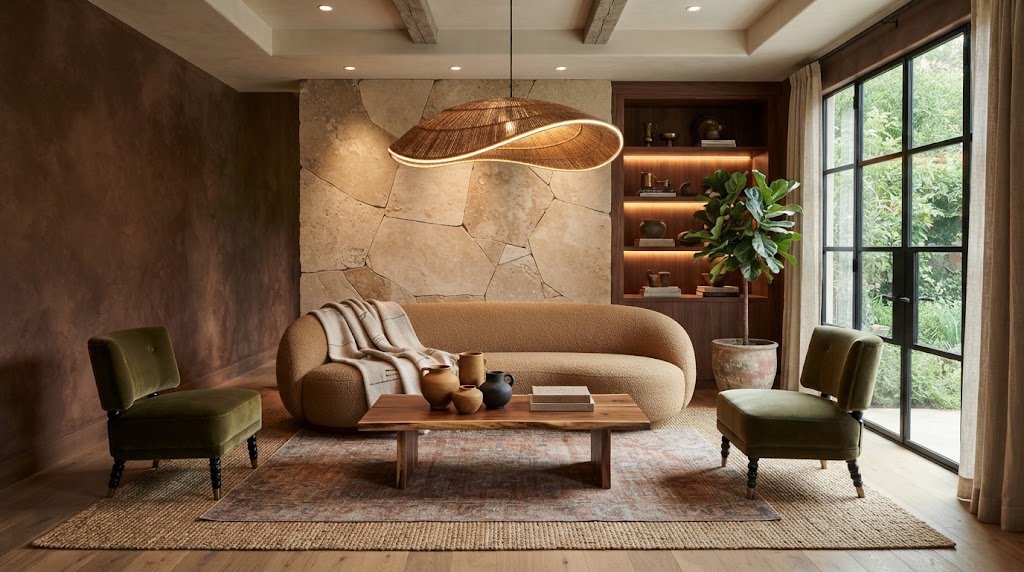
After a few years of cool, restrained minimalism, the home decor trends 2027 brings are shaping up to be all about texture, warmth, and personality. Forecasters and designers are converging on a common thread: homes are moving away from perfectly styled showroom looks and toward spaces that feel collected, tactile, and personal — layered over time rather than finished all at once. Here are the 13 trends worth knowing, and how to bring each one into your own space without a full renovation.
1. Curated Maximalism Replaces Perfectly Styled Minimalism
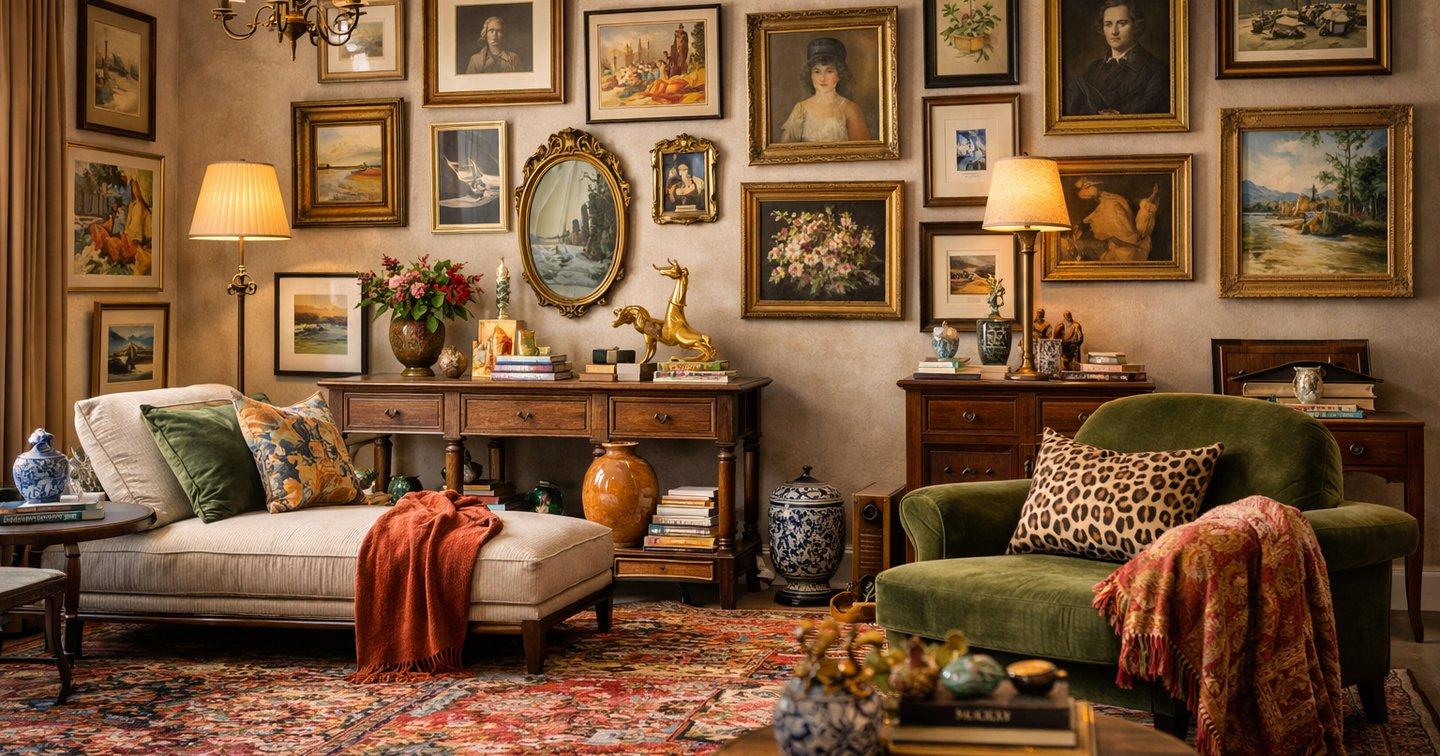
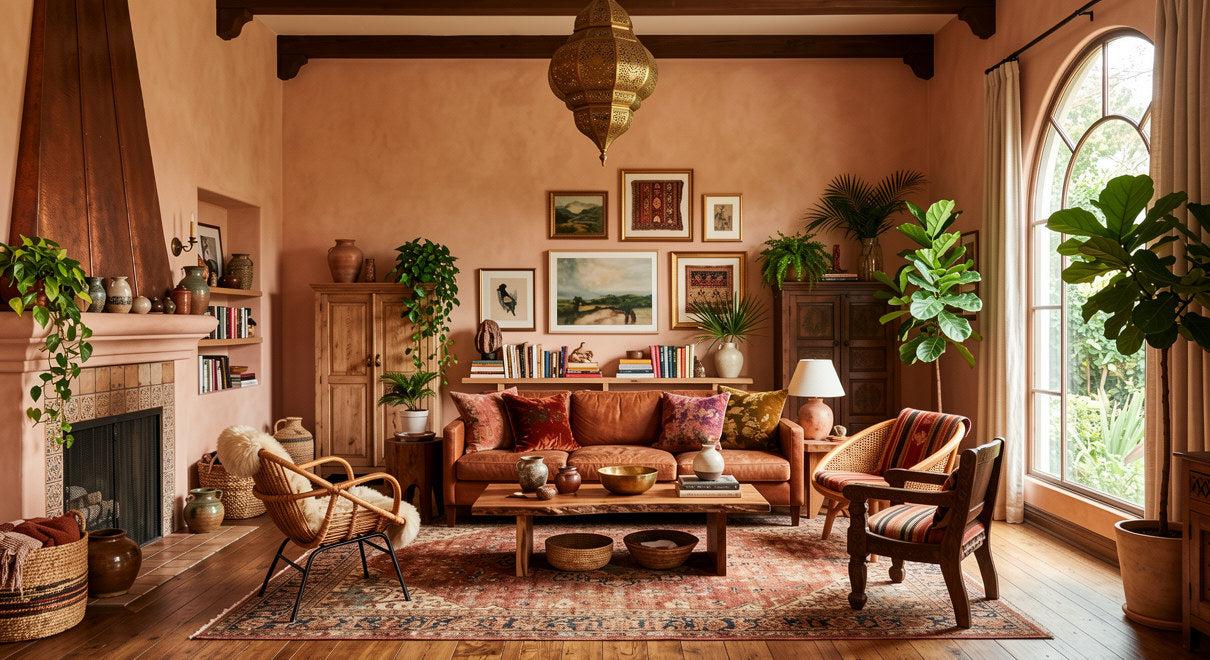
One of the clearest signals in home decor trends for 2027 is a shift away from stripped-back, everything-matches minimalism toward a more eclectic, layered look, drawing loosely on the warmth and pattern-play of the 1960s and '70s. This isn't a return to cluttered maximalism — it's curated, meaning each piece is chosen deliberately, but the overall effect feels collected and personal rather than showroom-perfect.
How to bring it home: Mix one or two vintage or vintage-inspired pieces into an otherwise simple room, and resist matching every element perfectly.
Also read: 11 Top AI Home Designer Ideas
2. Mineral-Inspired Color Palettes With Bold Accents
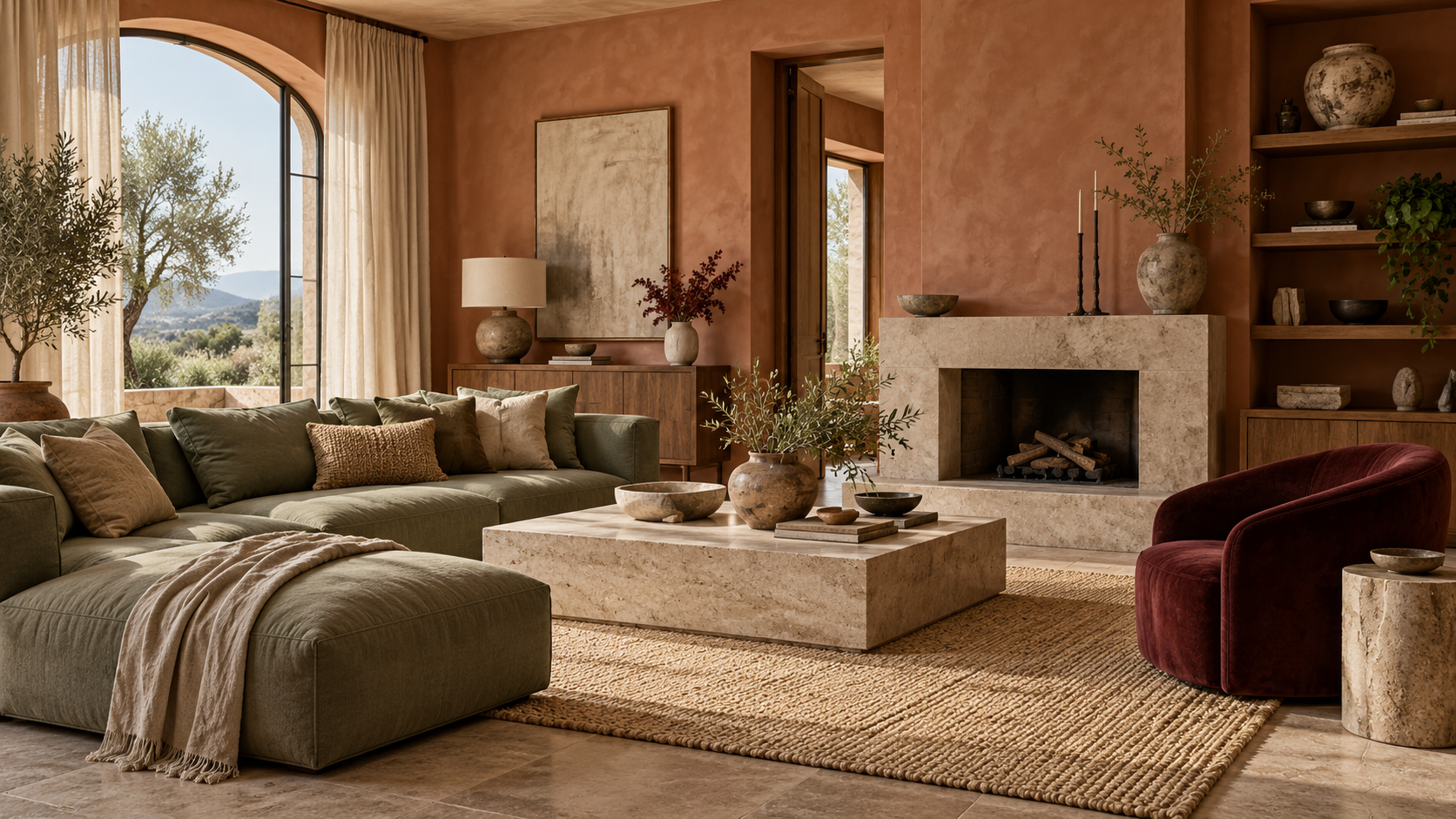
Expect soft, stone- and mineral-inspired base tones — think chalky terracotta, sage, and warm gray — punctuated by unexpected pops of richer, deeper color rather than color used as an all-over statement.
How to bring it home: Paint the main walls in a muted, mineral-toned neutral and reserve one saturated color for a single furniture piece or accent wall.
3. Raw, Textured Natural Materials Take Center Stage
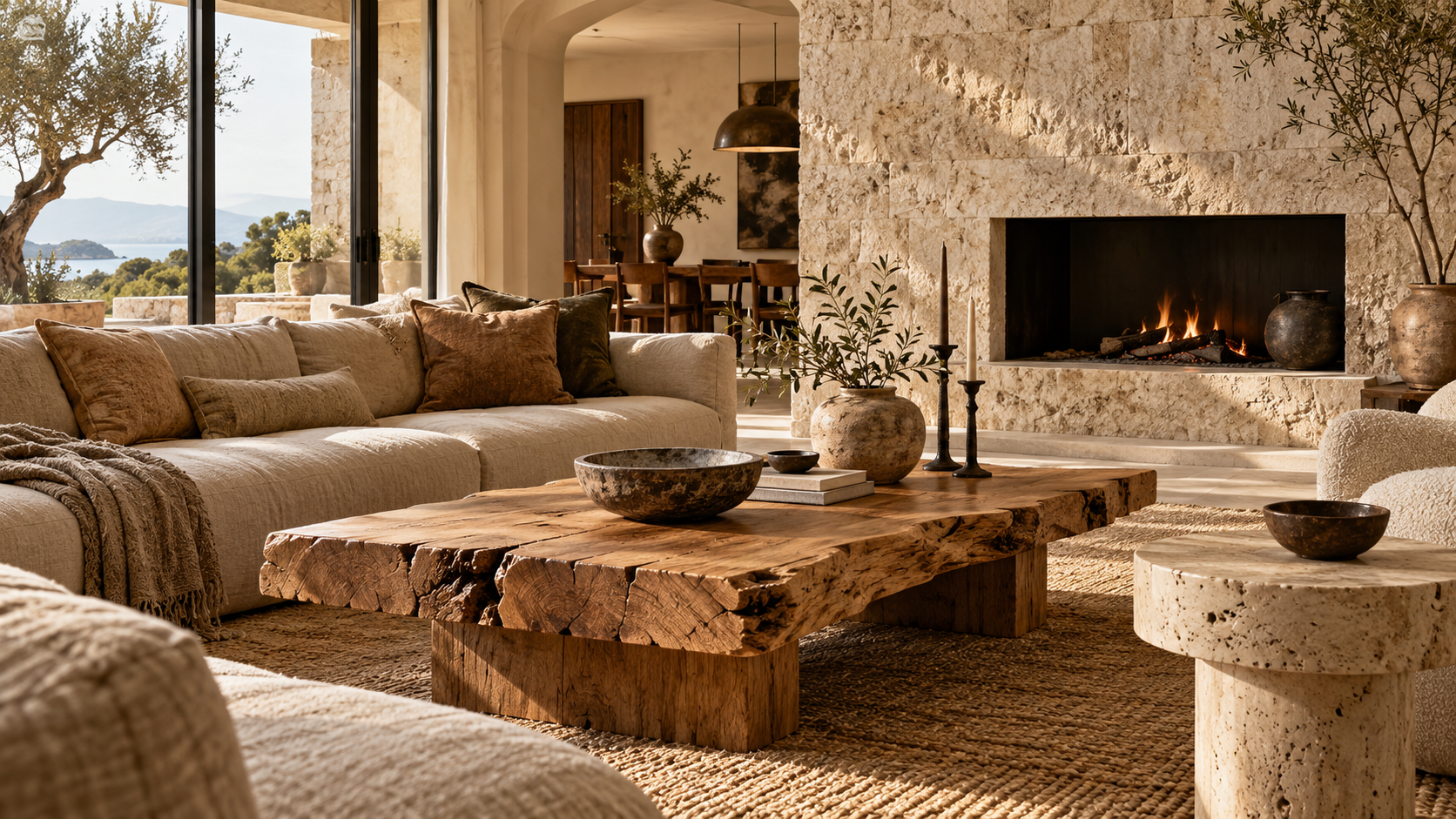
Materials that show their natural imperfections — visible wood grain, carved stone, and rusted or weathered metal like Corten steel — are favored over polished, uniform finishes. The goal is a space that feels lived-in and layered rather than overly perfected.
How to bring it home: Choose furniture and finishes that show natural variation, such as live-edge wood or hand-thrown ceramics, instead of high-gloss, uniform surfaces.
4. Glossy Surfaces Return to Balance Raw Textures
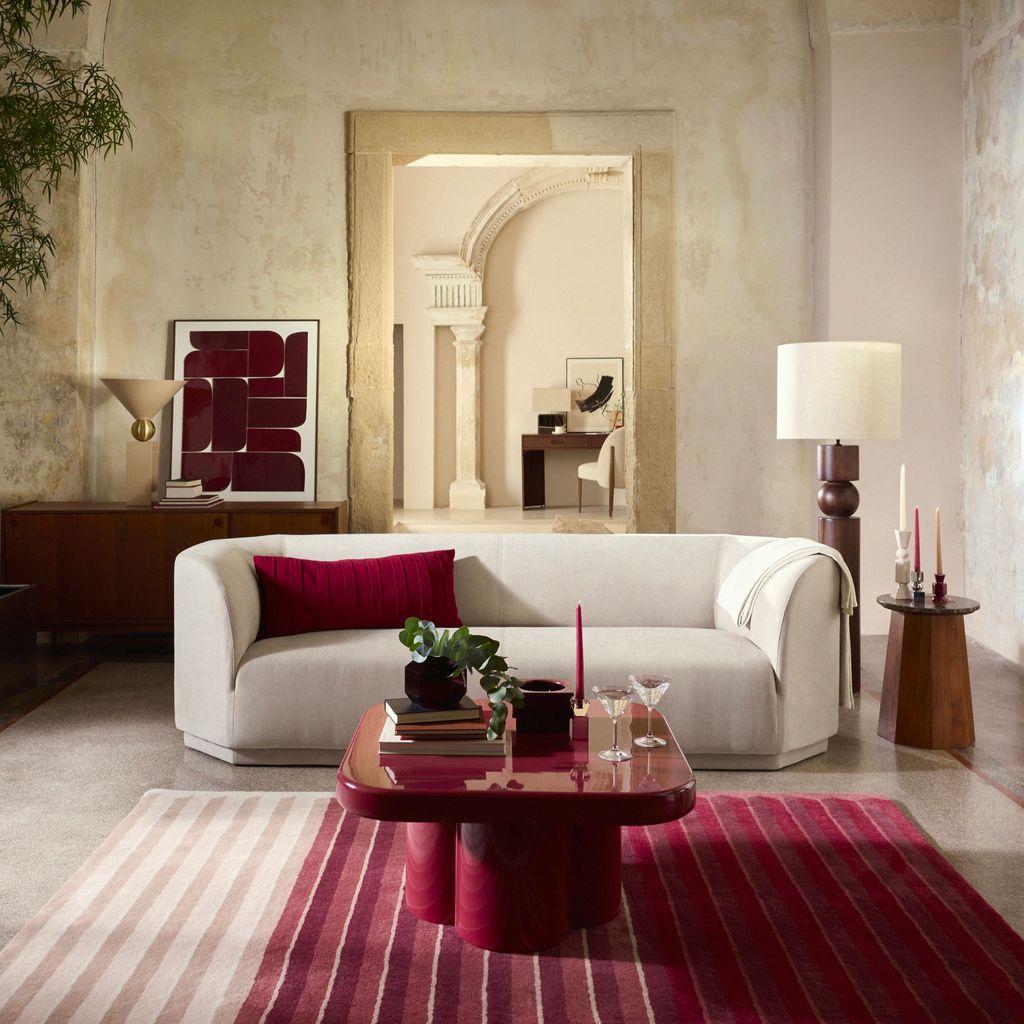
In counterpoint to raw materials, high-shine lacquer, glazed ceramics, and polished stone are reappearing — used sparingly to create contrast against more textured, matte elements rather than dominating a room.
How to bring it home: Add one glossy element, like a lacquered side table or a glazed vase, to a room built mostly around matte, textured materials.
5. Touch-Driven, Tactile Design
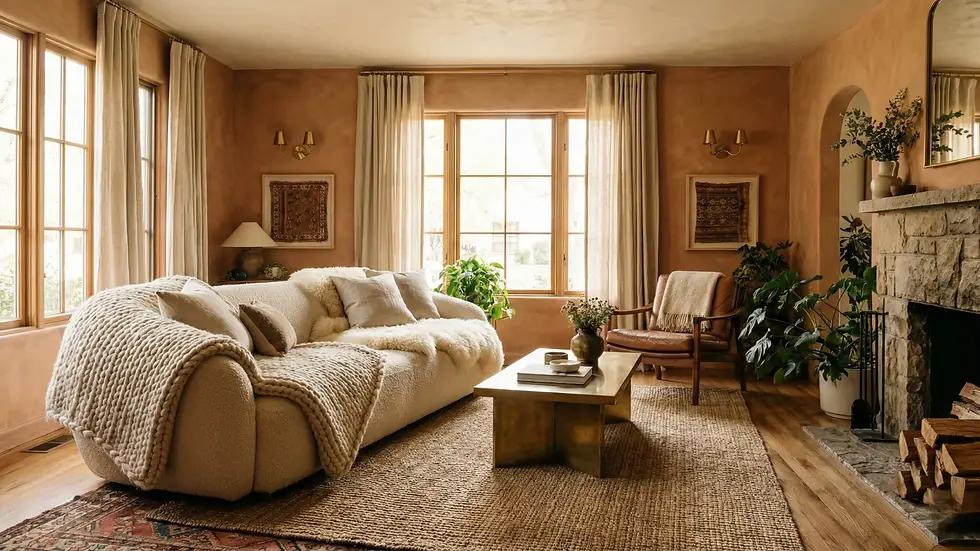
A recurring theme this year is how a home feels, not just how it looks — wool underfoot, linen upholstery, warm wood railings, and textured tile all contribute to a home that feels calmer and easier to settle into.
How to bring it home: Swap one synthetic textile, like a polyester throw or rug, for a natural-fiber alternative such as wool, linen, or jute.
6. Biophilic Design Grows Beyond a Few Houseplants
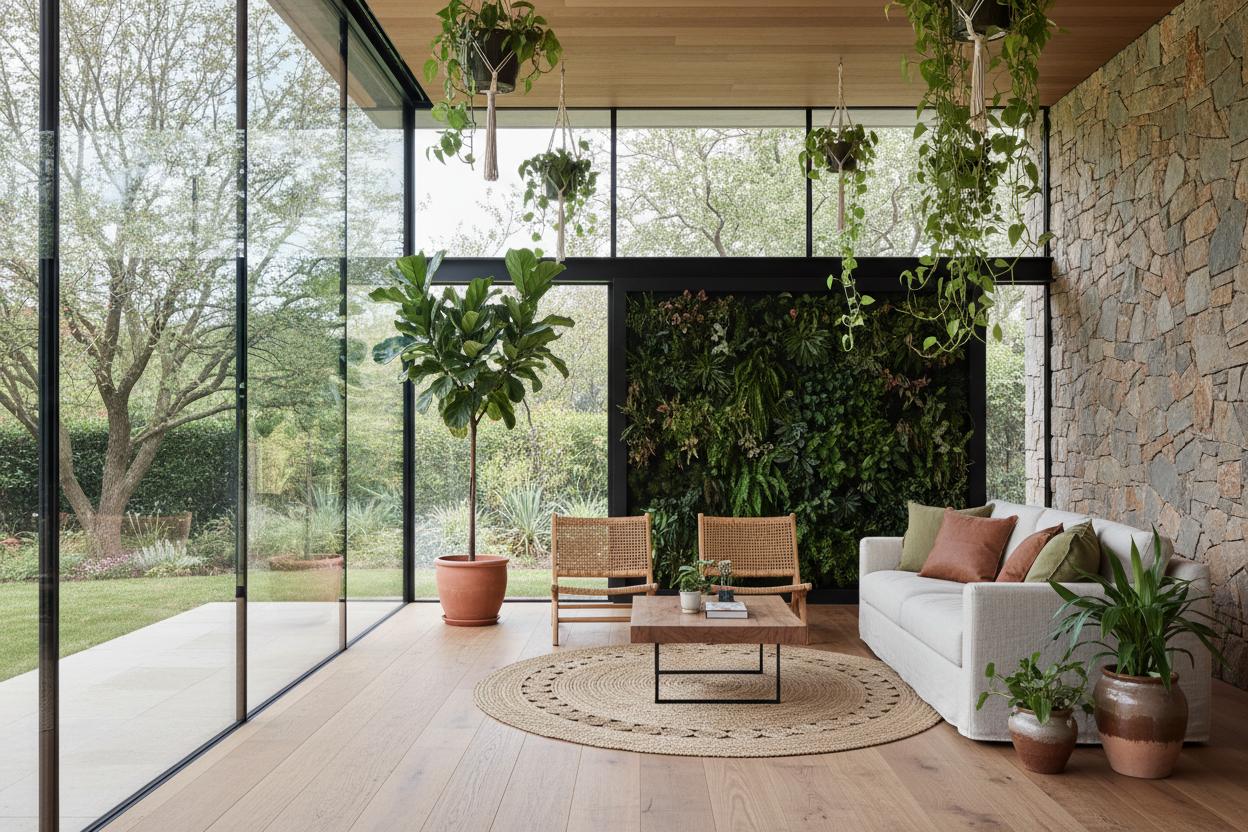
Biophilic design — using natural light, greenery, organic textures, and outdoor views to ground a space — continues to grow, moving beyond a scattering of houseplants into a more deliberate design principle that shapes layout and material choices.
How to bring it home: Prioritize natural light where you can, and choose organic materials like wood and stone over synthetic alternatives when replacing furniture or finishes.
<a href="https://mossai.org" title="MossAI Tools">MossAI Tools</a>
7. Warm Neutrals Replace Cool Gray Minimalism
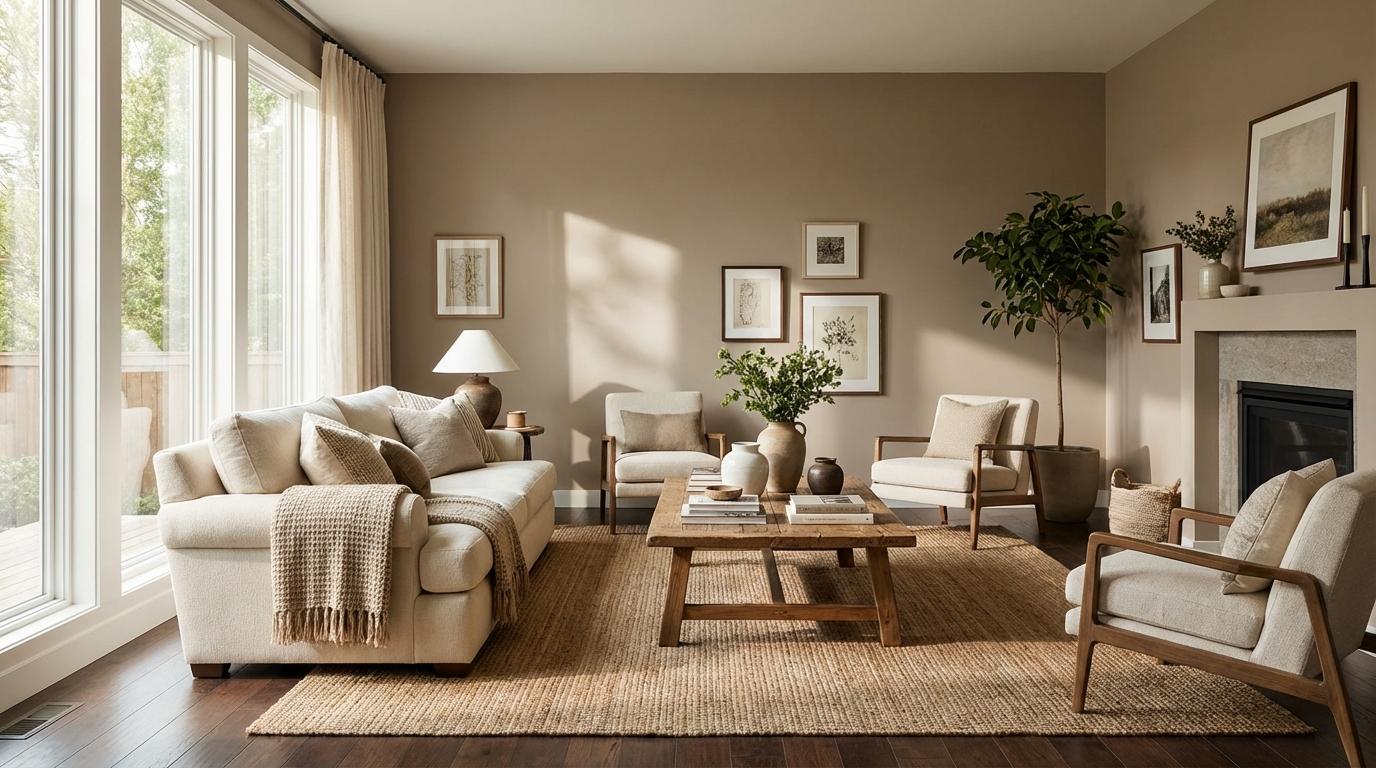
The cool gray palette that dominated minimalist interiors for years is giving way to warmer neutrals — cream, warm taupe, and earthy tones that feel more inviting than the starker grays of the previous decade.
How to bring it home: If you're repainting, test a warm-toned neutral (with beige or yellow undertones) rather than a cool gray, especially in rooms with limited natural light.
8. Layered, Wood-Toned Kitchens Replace All-White Kitchens
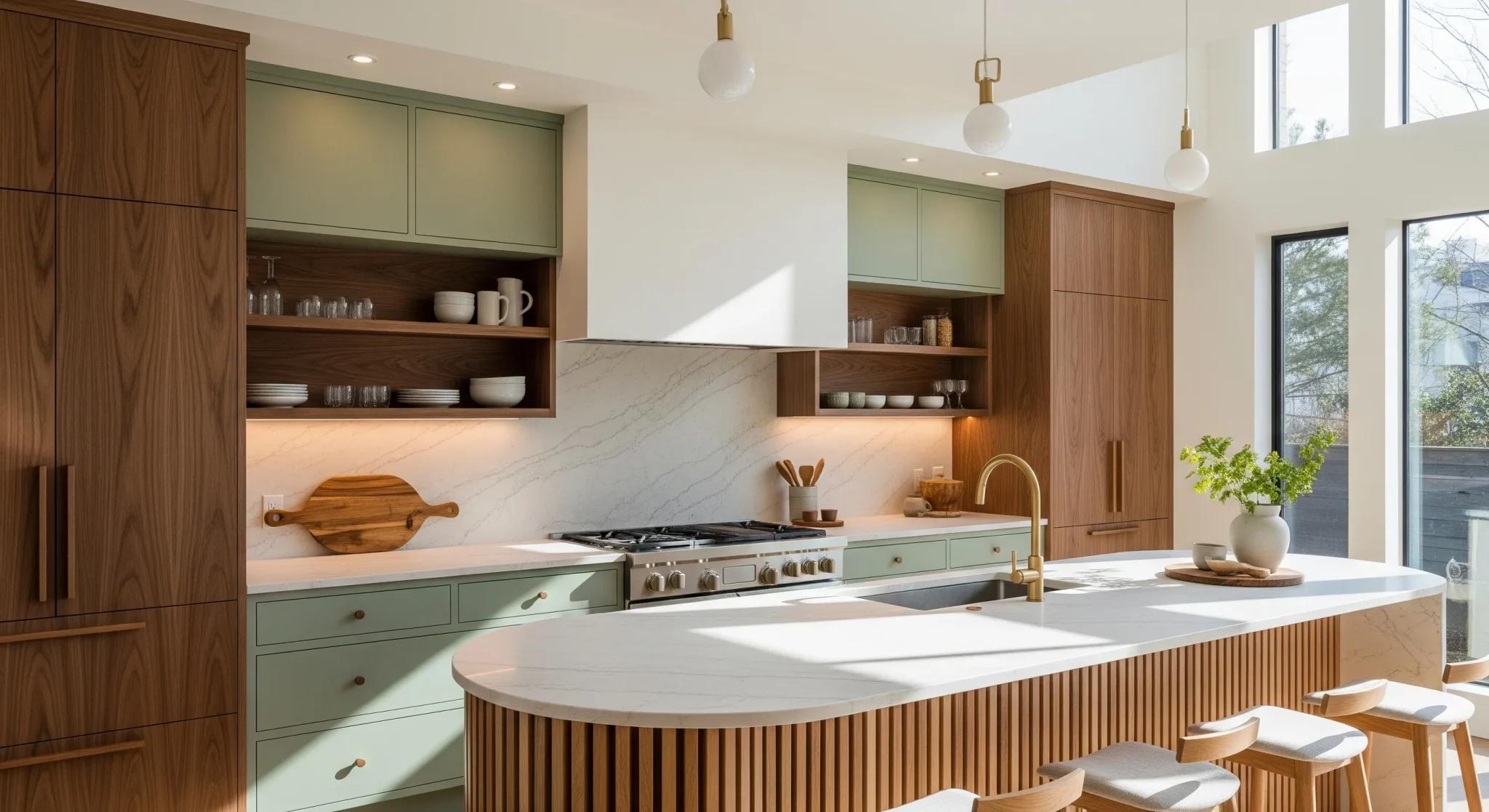
The all-white kitchen is being layered with warmth — wood tones, richer backsplash materials, and colored cabinetry are increasingly common alternatives or additions to an all-white scheme.
How to bring it home: Introduce wood tone through open shelving, a butcher-block island top, or wooden bar stools if a full cabinet change isn't in the budget.
9. Semi-Open Floor Plans Replace Fully Open Concept
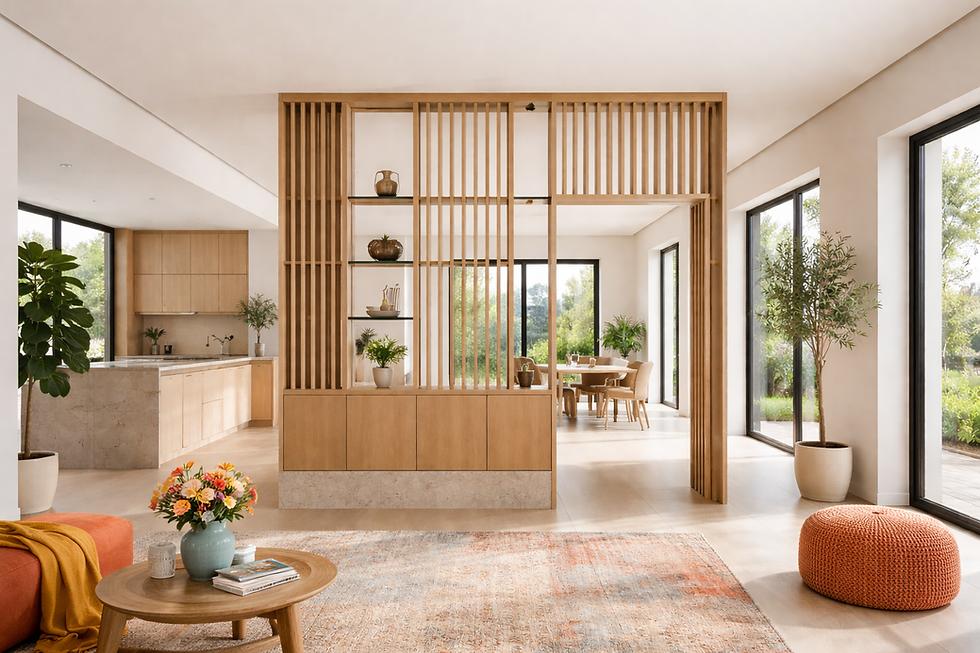
The fully open-concept layout is giving way to semi-open plans that create distinct zones for work, rest, and privacy, while still maintaining some visual connection between spaces.
How to bring it home: Use furniture placement, area rugs, or a partial screen or shelving unit to create a defined zone within an open room, rather than a wall.
10. Cool Metals Make a Comeback
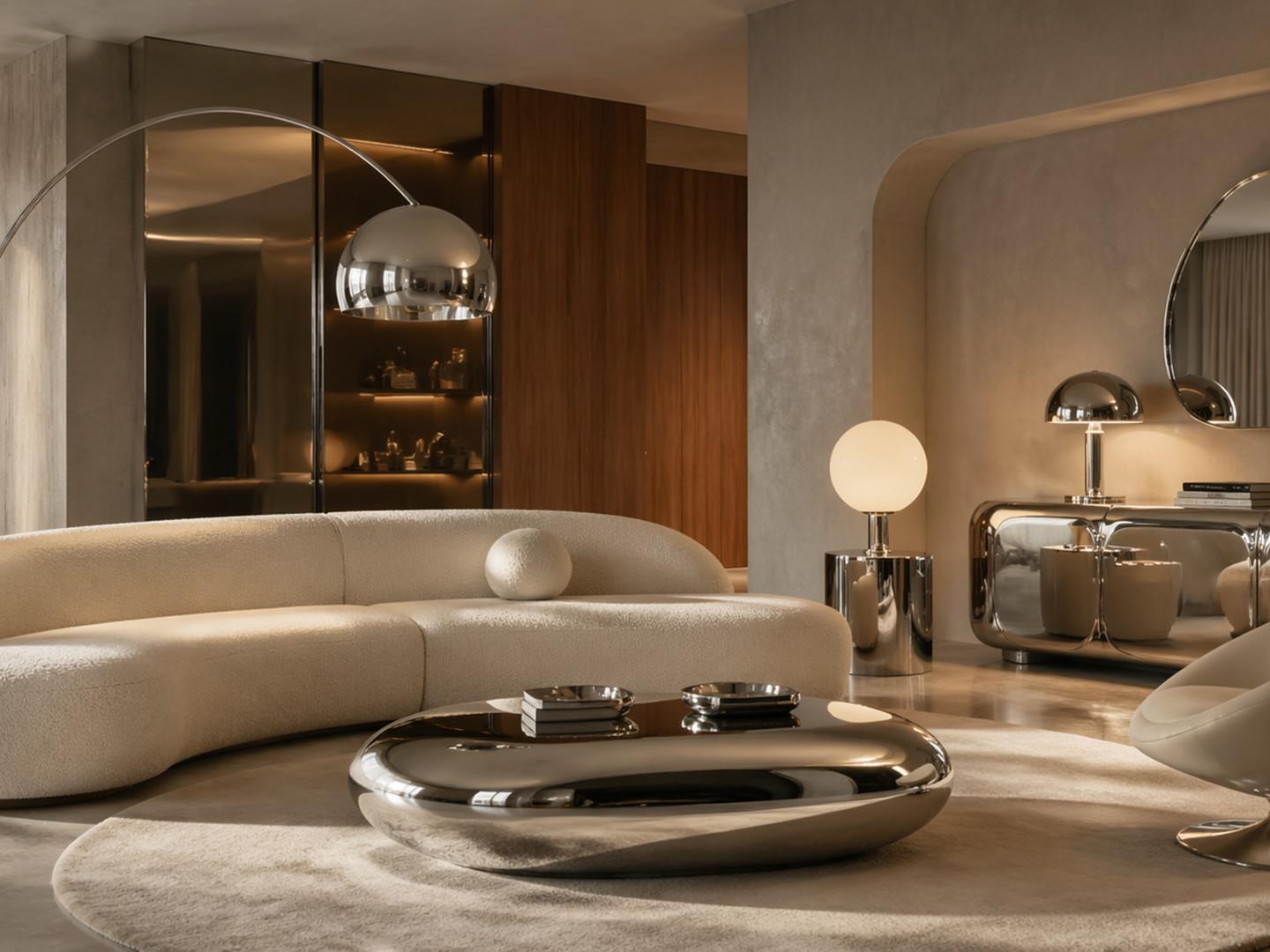
After years of warm brass and gold dominating hardware and fixtures, cool metals — chrome, silver, nickel, and aluminum — are returning, typically paired with warm, organic materials rather than used in a stark, all-metal way.
How to bring it home: Introduce a cool metal finish through lighting fixtures or cabinet hardware, paired with warm wood or textured fabric elsewhere in the room.
11. Color Immersion: Color as Mood, Not Just Accent
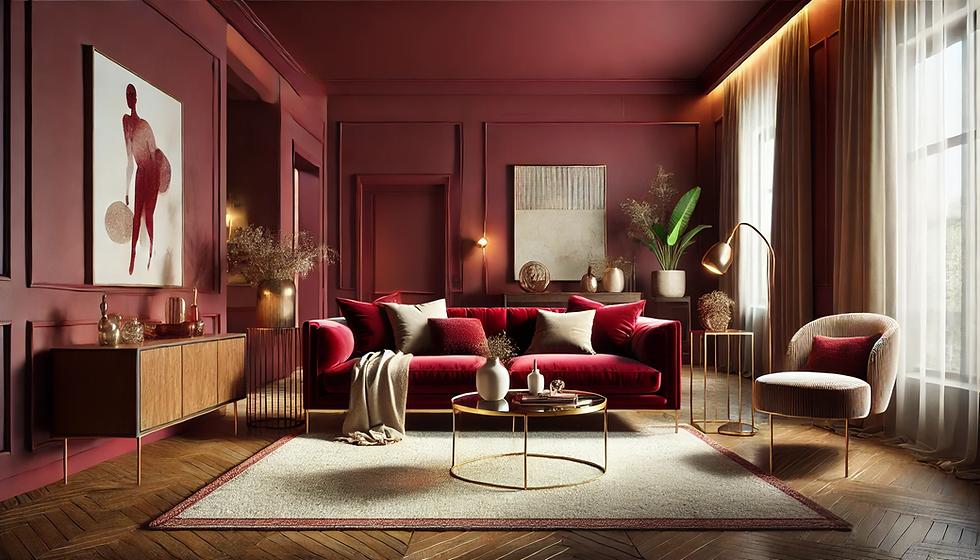
Color is taking on a bigger role than the traditional "neutral base plus one accent" approach. Deep burgundies, ochres, and earthy tones are being used across walls, ceilings, furniture, and window treatments to shape the mood of an entire room, rather than acting as a single decorative touch.
How to bring it home: If you want to try this trend without a full repaint, start with window treatments or a large textile piece in a saturated color that sets the tone for the room.
12. Vintage and Secondhand Furniture With a Story
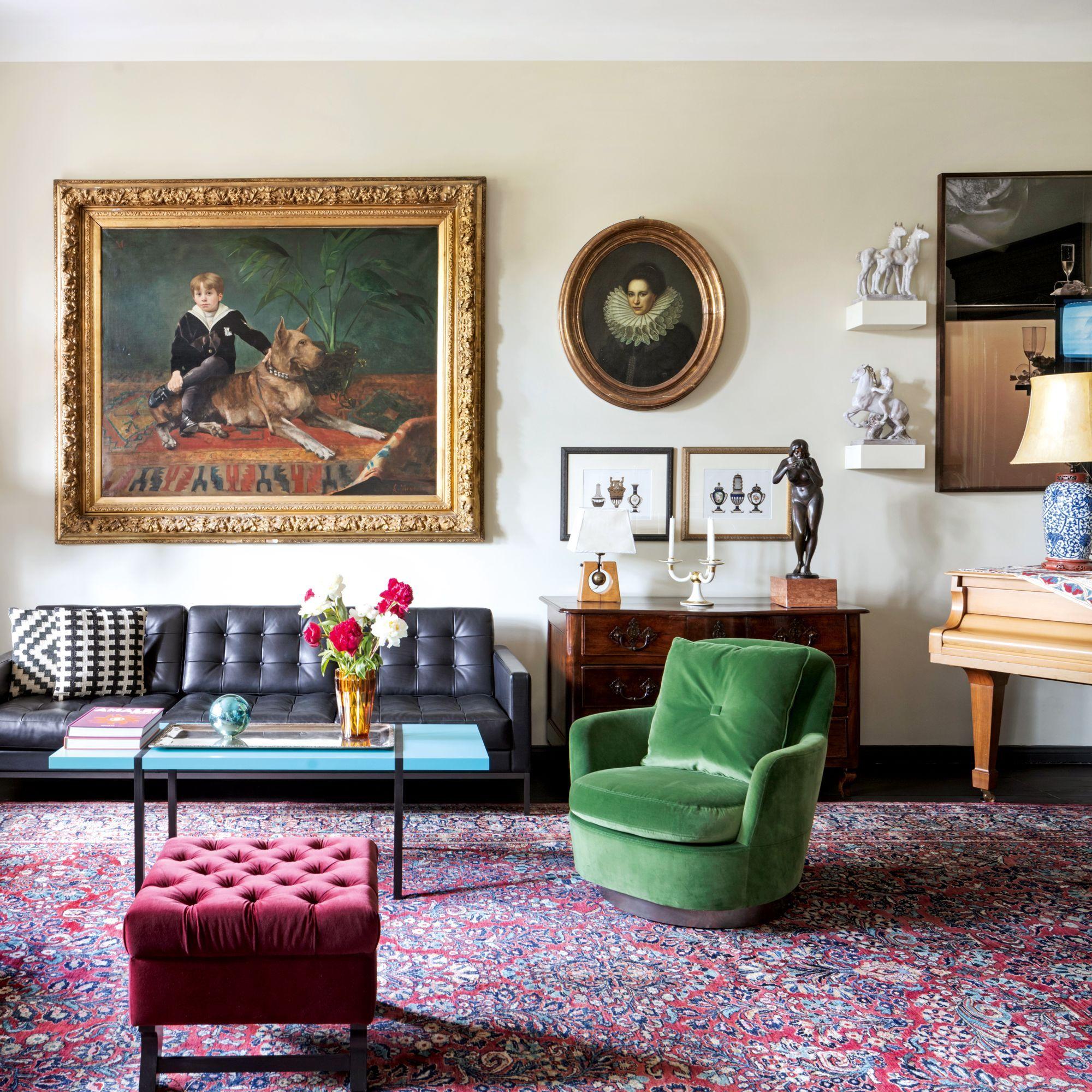
Secondhand and vintage furniture continue to grow in popularity, driven by a desire for one-of-a-kind pieces with character, along with rising interest in more sustainable ways to furnish a home.
How to bring it home: Look for one or two vintage pieces — a chair, a mirror, a side table — from a consignment shop, estate sale, or online marketplace to anchor a room with a sense of history.
13. Durability and Sustainability Over Disposable Decor
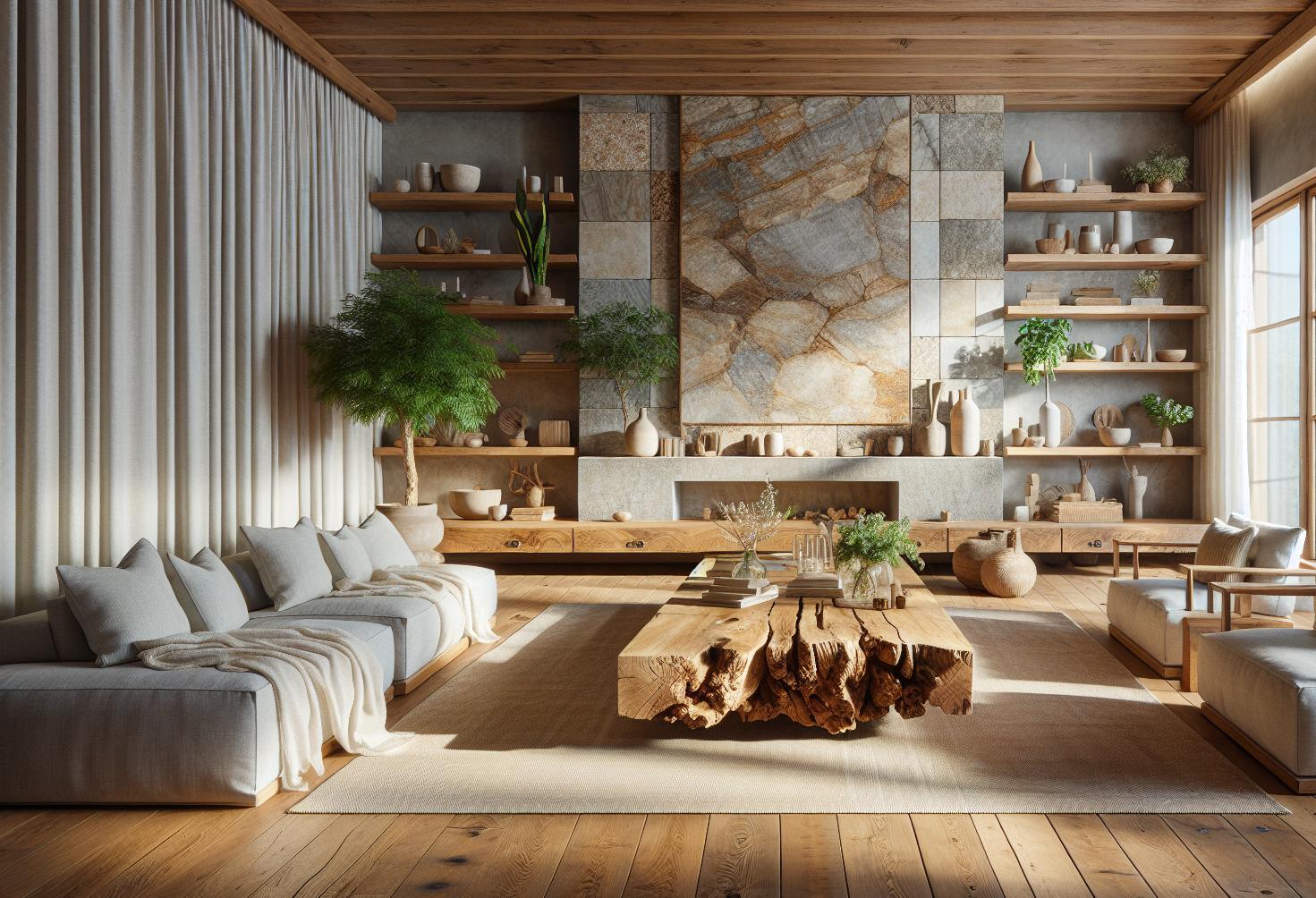
The final entry in this roundup is more about mindset than material: fast, disposable decor is fading in favor of pieces chosen for durability and craftsmanship. Buyers are increasingly weighing how long a piece will last, not just its upfront cost, when furnishing a home.
How to bring it home: Before buying a new piece, prioritize solid materials and construction quality over trend-chasing — a well-made piece will outlast several cycles of short-term trends.
A Few Things to Keep in Mind
Texture and material choices matter as much as color — raw, natural finishes paired sparingly with glossy accents define much of this year's look.
Warmth is the through-line. Whether it's warm neutrals, wood tones, or tactile textiles, the overall direction is away from cool, stark minimalism.
Not every trend needs a renovation. Most of these shifts can be introduced gradually through furniture, textiles, and finishes rather than structural changes.
Personal and collected beats perfectly matched. The strongest thread across this year's forecasts is a preference for homes that feel layered and lived-in over ones that look staged.
Home decor trends 2027 reward patience and personality over chasing every micro-trend — a few well-chosen, well-made pieces will do more for your space than a full trend-driven overhaul.
Ready for Your Own AI Redesign?
Start Designing with AI →FAQs about Top 13 Home Decor Trends Taking Over 2027
Everything you need to know
What is the biggest home decor trend for 2027?
There's no single trend dominating home decor trends 2027 — instead, forecasters point to a broader shift: homes moving from polished, minimalist perfection toward warmer, more textured, and more personal spaces. Curated maximalism, tactile materials, and color immersion are among the most consistently cited directions.
Are gray and all-white interiors going out of style in 2027?
Cool gray minimalism and all-white kitchens are both losing ground to warmer alternatives — warm neutrals in place of cool gray, and wood-toned or colored cabinetry layered into or replacing all-white kitchens. Neither is disappearing entirely, but both are being softened with warmer, more textured elements.
What colors are trending for homes in 2027?
Mineral-inspired, tonal palettes are a common base — soft terracottas, sage greens, and warm grays — often paired with deeper, richer accent colors like burgundy, ochre, or jewel tones used more boldly than in previous years' single-accent approach.
Is brass or chrome hardware more in style for 2027?
Cool metals — chrome, nickel, silver, and aluminum — are making a comeback after years of warm brass and gold dominating. That said, the trend favors pairing cool metals with warm, organic materials rather than replacing warmth altogether, so a mix of both is a safe long-term choice.
Is vintage furniture a good investment for 2027 home decor?
Yes — vintage and secondhand furniture is one of the more durable threads in home decor trends for 2027, driven by both a desire for one-of-a-kind character and growing interest in sustainable, durable furnishing choices over fast, disposable decor.
How can I update my home for 2027 trends without a full renovation?
Focus on lower-cost, high-impact swaps: a warm-neutral repaint, one or two vintage or textured accent pieces, a cool-metal light fixture or hardware update, and natural-fiber textiles like wool or linen rugs and throws. These changes align with several of this year's trends without requiring structural changes.
Will open-concept floor plans disappear in 2027?
Not entirely, but the trend is shifting toward semi-open layouts that preserve some visual connection between rooms while creating more defined zones for privacy, work, and rest — a middle ground between fully open and fully divided floor plans.