7 Budget-Friendly Living Room Makeover Ideas That Look Expensive
Article Contents
- 7 Budget-Friendly Living Room Makeover Ideas
- 1. Rearrange What You Already Own
- 2. Give the Room One Fresh Color Moment
- 3. Change the Textiles, Not the Sofa
- 4. Layer the Lighting
- 5. Make a Low-Cost Focal Point
- 6. Hide Clutter With Smarter Storage
- 7. Preview Your Makeover Before Spending
- A Simple Living Room Makeover Budget
- Start With One Change
7 Budget-Friendly Living Room Makeover Ideas That Look Expensive
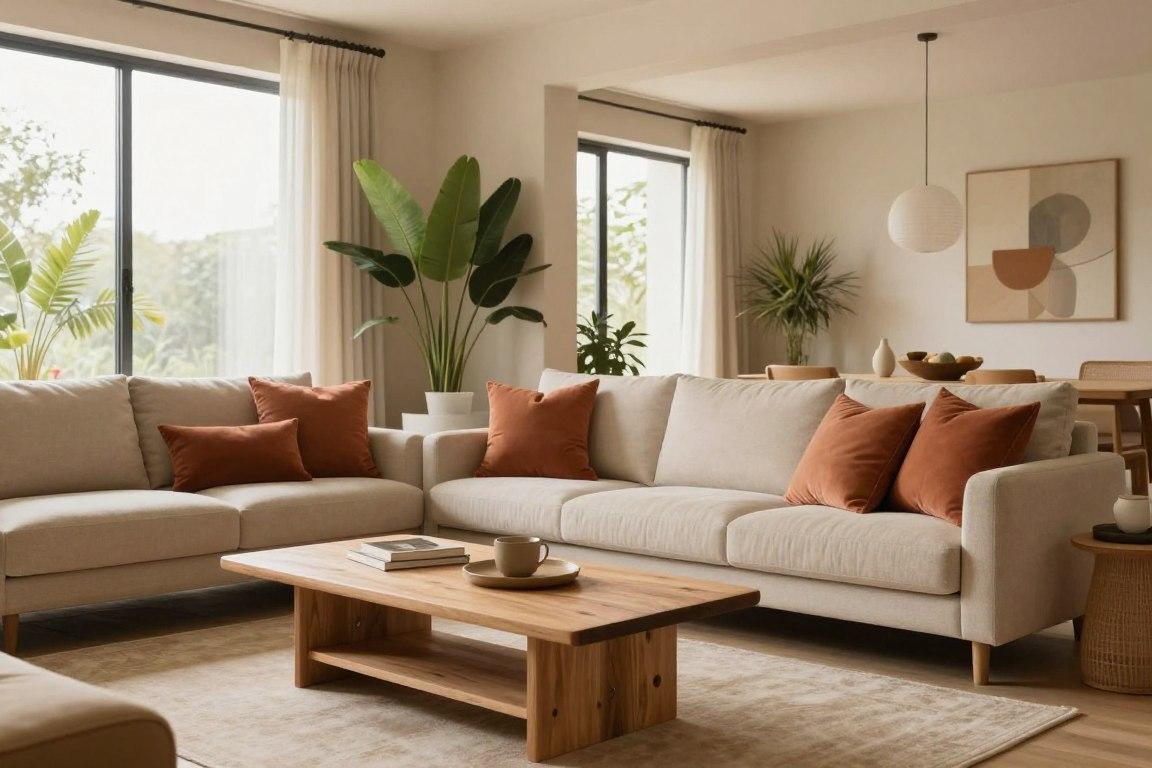
You do not need a new sofa or a full renovation to make your living room feel fresh. A better furniture layout, one thoughtful color choice, and a few well-placed accessories can make a noticeable difference. The key is to spend on changes you will see and use every day.
Start by taking a photo of your room and choosing a realistic budget. Keep the pieces you like, measure the space, and tackle one update at a time. These seven budget-friendly living room makeover ideas work whether you own your home or rent.
7 Budget-Friendly Living Room Makeover Ideas
1. Rearrange What You Already Own
Estimated cost: $0
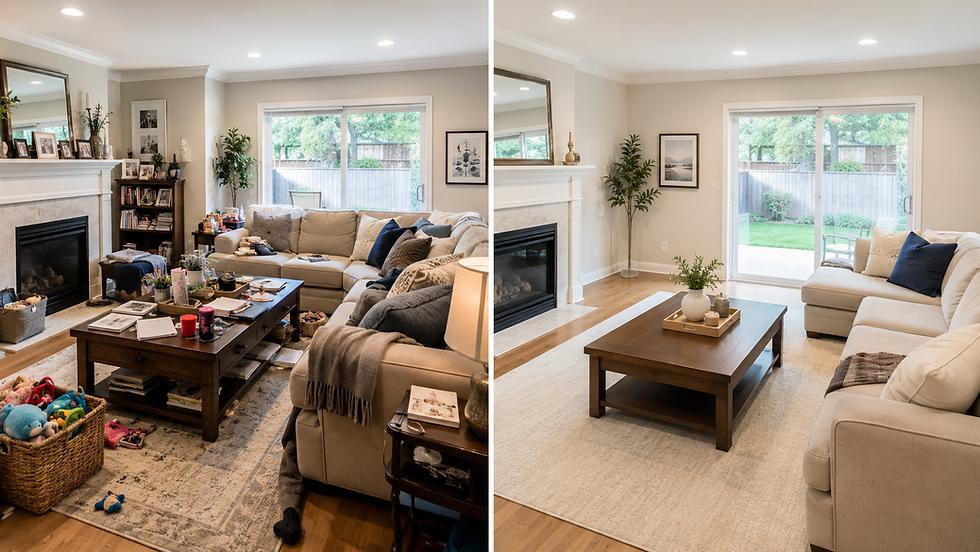
Before buying anything, move the furniture. Pull the sofa slightly away from the wall if the room allows it, angle a chair toward the seating area, or swap a side table and floor lamp. Aim for easy conversation and a clear path through the room.
Remove a few decorative items, then bring back only the ones that add something to the space. Sometimes a room feels more inviting simply because it has room to breathe.
Try this: Take before and after photos from the same spot. A photo makes awkward gaps and crowded corners easier to spot.
2. Give the Room One Fresh Color Moment
Estimated cost: $25–$100 for a small DIY project
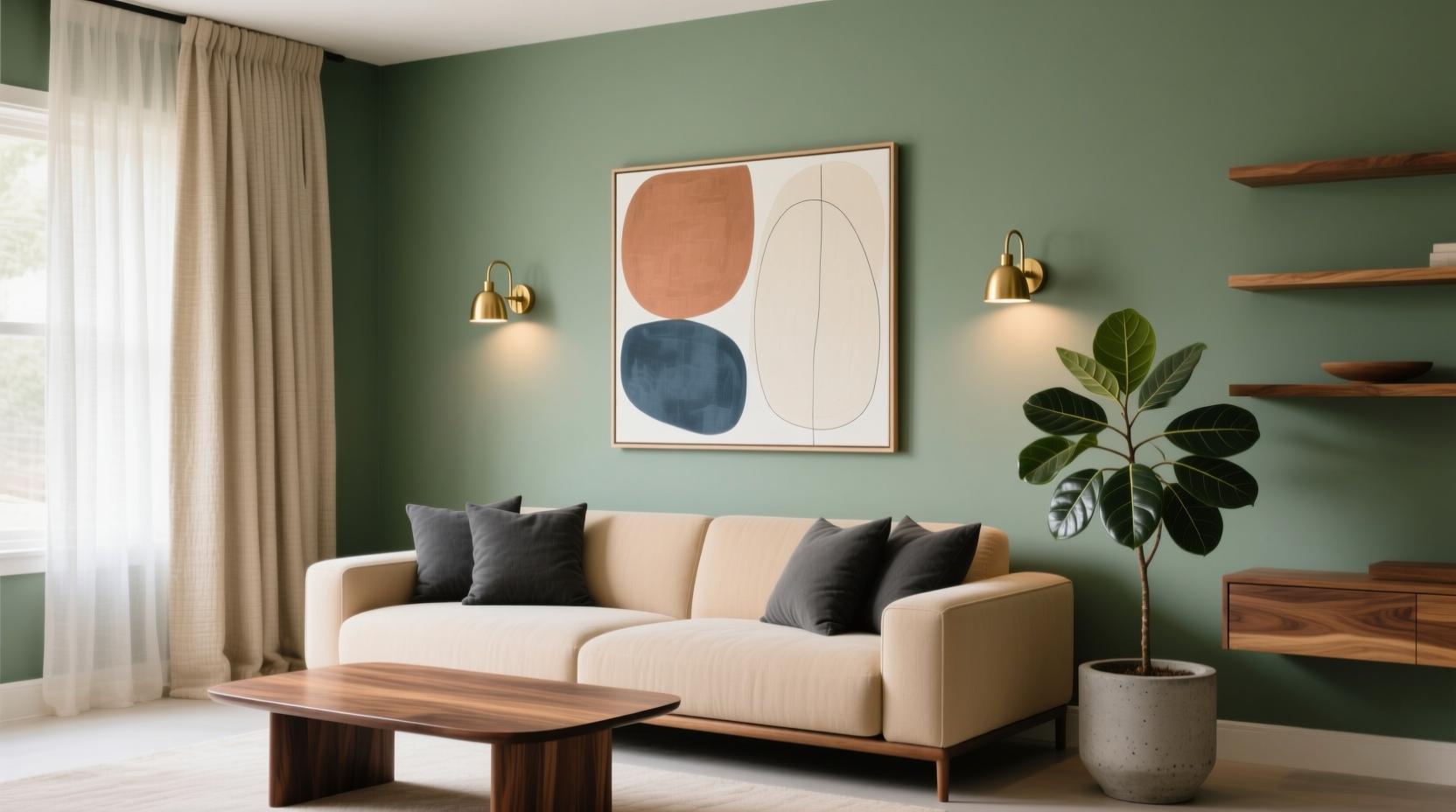
Painting every wall is optional. A single accent wall, a painted bookshelf, or a refreshed secondhand side table can introduce color at a lower cost. If you rent, try removable wallpaper or add color through cushions and art instead.
Choose a shade that works with your existing sofa and flooring. Test a sample in morning and evening light before committing. Warm off-white, soft clay, muted blue, and deep earthy tones can all work; the right choice depends on your room.
For more inspiration, browse these home decor trends for 2027, then adapt the details that suit your space and budget.
3. Change the Textiles, Not the Sofa
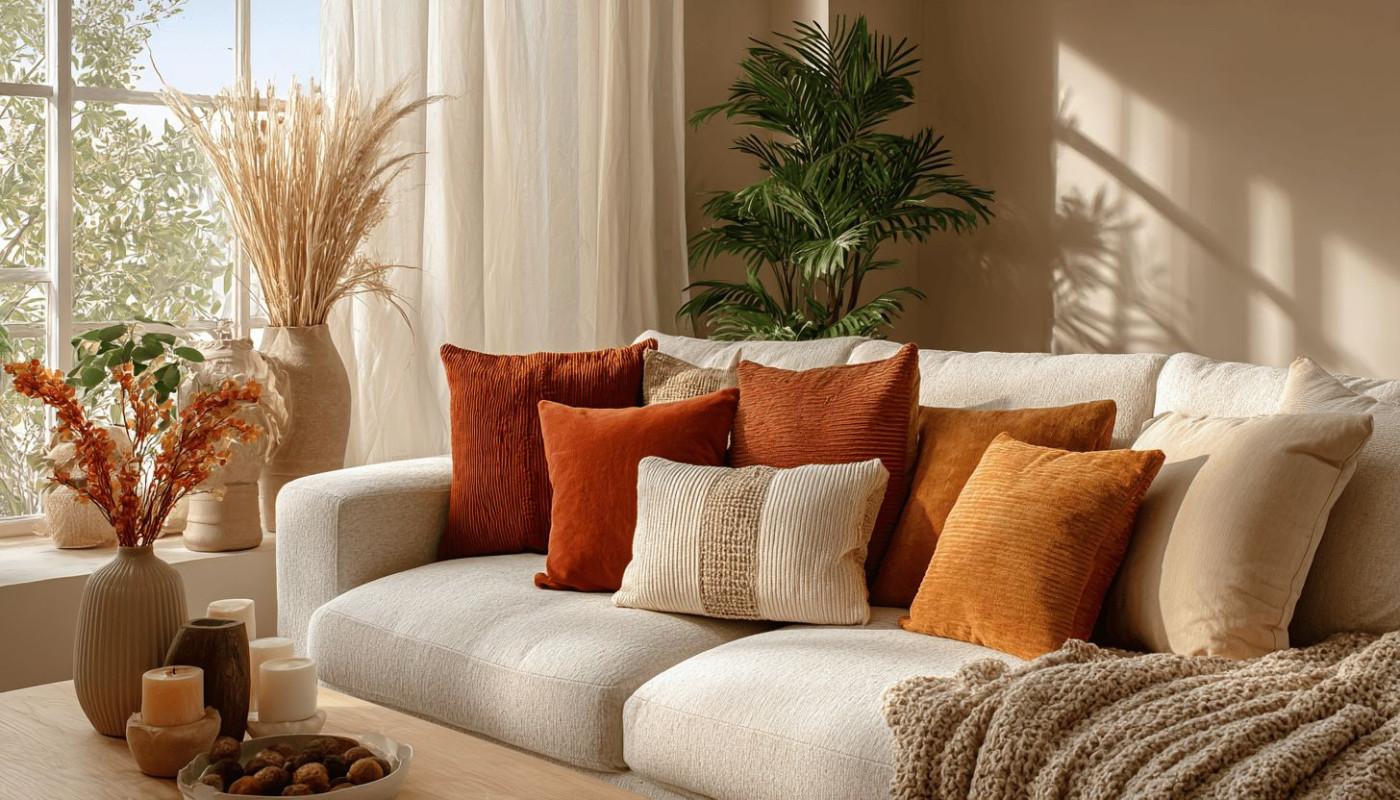
Estimated cost: $30–$150
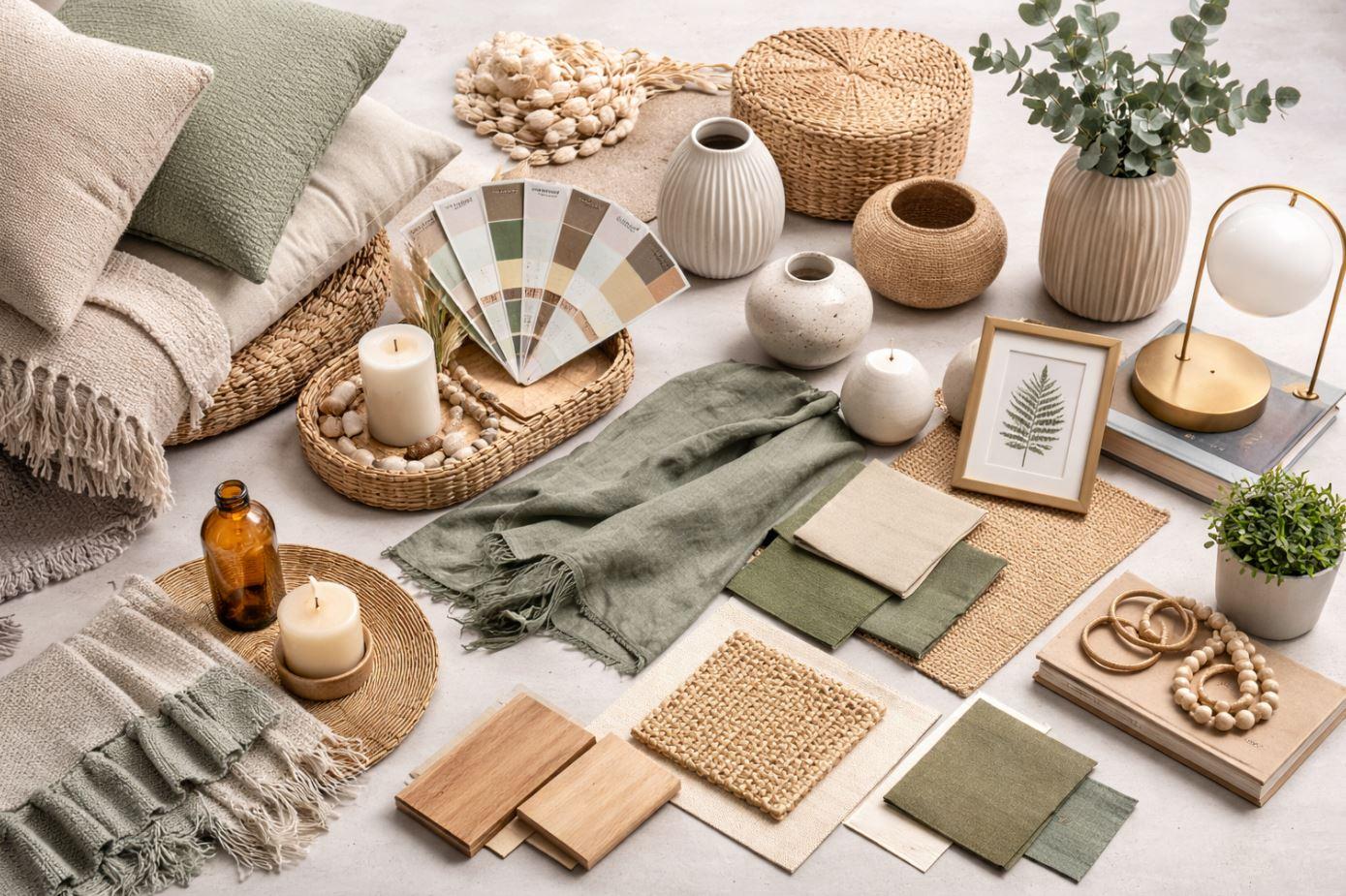
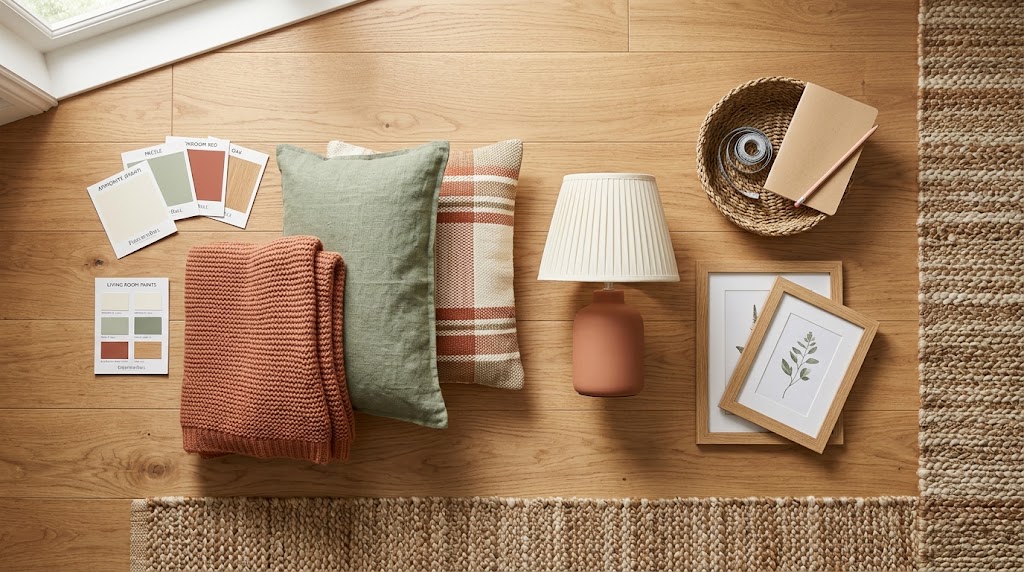
A washable throw, a couple of cushion covers, and a rug can change the feel of a living room without replacing its largest piece of furniture. Mix two or three textures, such as cotton, linen, and a soft knit, while keeping the colors connected.
If a new rug is outside your budget, clean the one you have and try it in a different position. For a new purchase, measure first: a rug that reaches at least the front legs of the main seating often makes the arrangement feel more connected.
Money-saving tip: Buy cushion covers and reuse your existing inserts. Covers are easier to store and swap as your taste changes.
4. Layer the Lighting
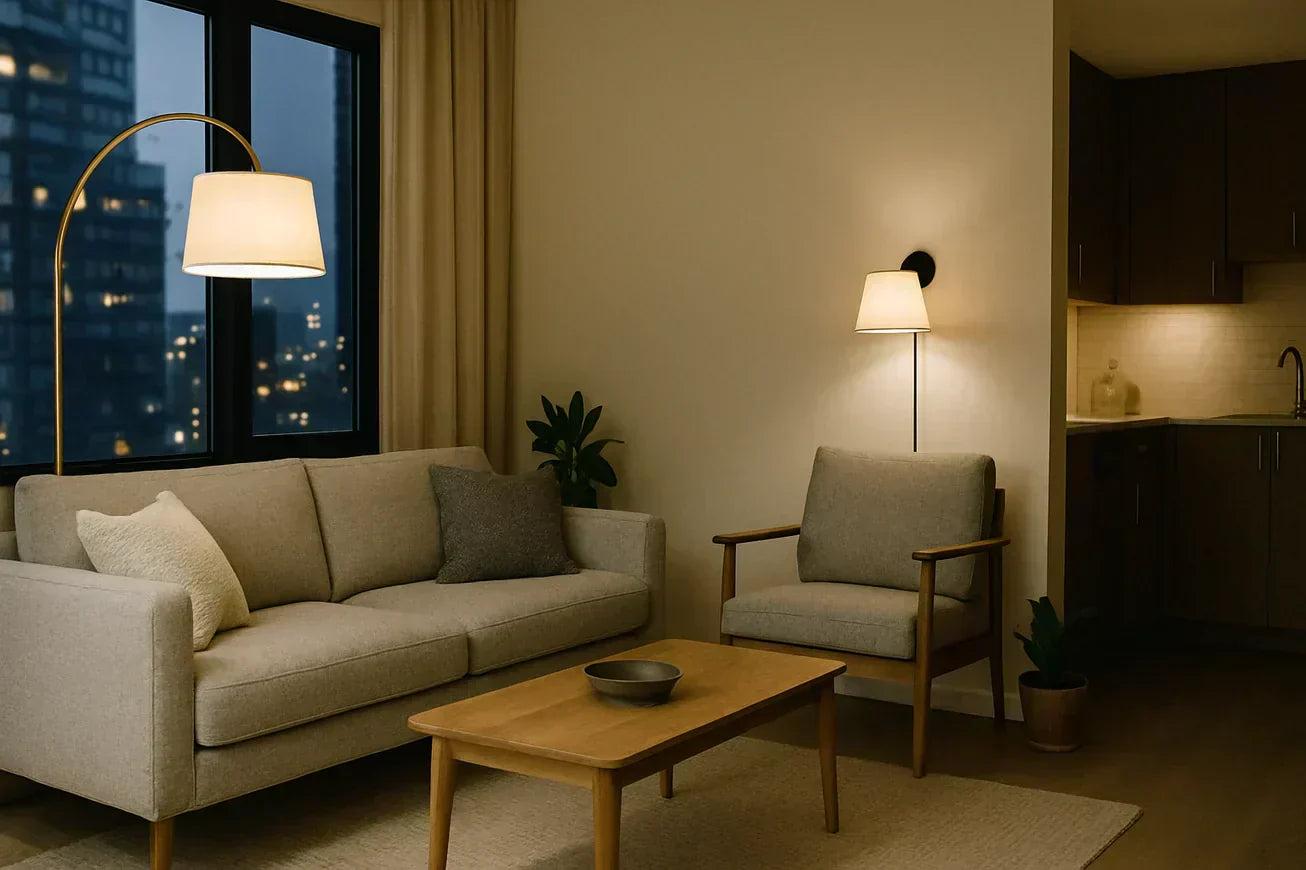
Estimated cost: $20–$80
One bright ceiling fixture can make a room feel flat. Add a table lamp beside the sofa or a floor lamp near a reading chair. Bulbs with a similar warm tone can help the room feel comfortable in the evening.
If you already own lamps, try moving them before shopping. Keep cords out of walkways and use bulbs within each fixture’s stated limits. Renters can often create a softer atmosphere with plug-in lamps and battery-powered accent lights.
Try this: Turn off the overhead light and see where you need light for reading, conversation, or relaxing.
5. Make a Low-Cost Focal Point
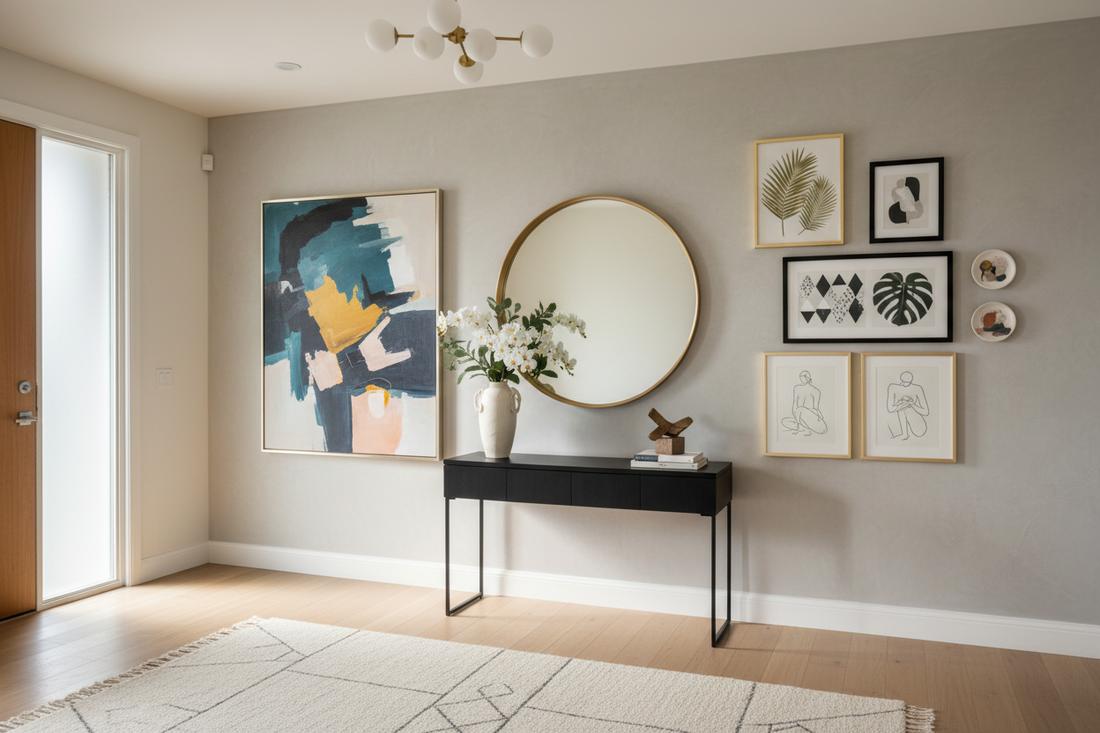
Estimated cost: $15–$75
An empty wall can make a room feel unfinished, but filling it does not require expensive art. Frame a favorite photograph, display a print you already own, or group two or three secondhand frames in a consistent color. A mirror can also reflect available light when placed thoughtfully.
Lay your arrangement on the floor before making holes. In a rental, check the wall surface and the weight limits of removable hanging products. One planned arrangement usually looks calmer than many small pieces scattered across every wall.
6. Hide Clutter With Smarter Storage
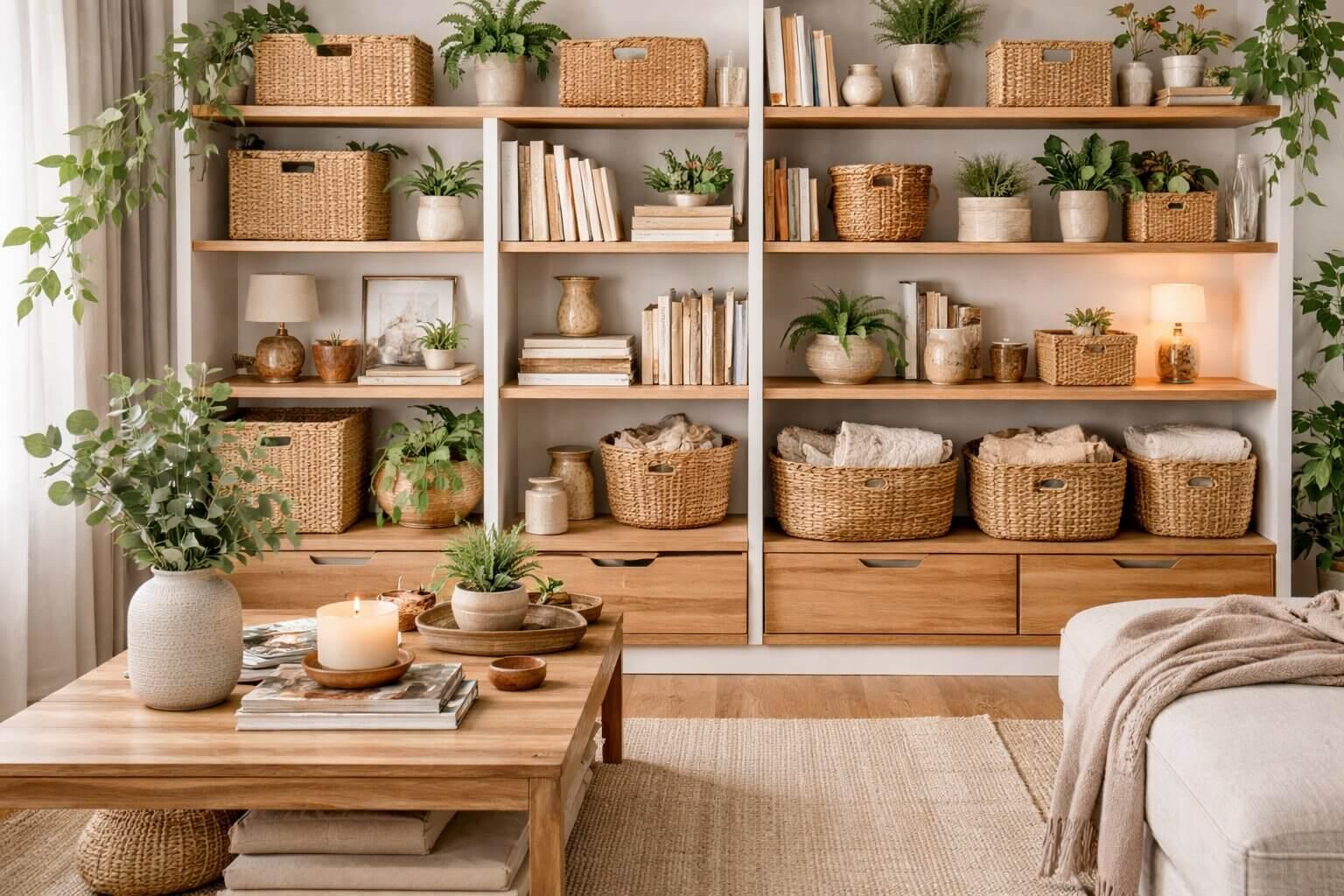
Estimated cost: $0–$60
Clutter can make even a nicely decorated room feel busy. Start with a free edit: put away what belongs elsewhere and give everyday items a specific home. Then use a basket for throws, a tray for remotes, or existing shelves to keep useful things within reach.
For compact rooms, look for storage that does more than one job, such as an ottoman with a compartment or a side table with a shelf. These small-space interior design tricks can help you think through furniture scale and visible floor space before buying.
7. Preview Your Makeover Before Spending
Estimated cost: $0 to plan; purchases depend on your choices
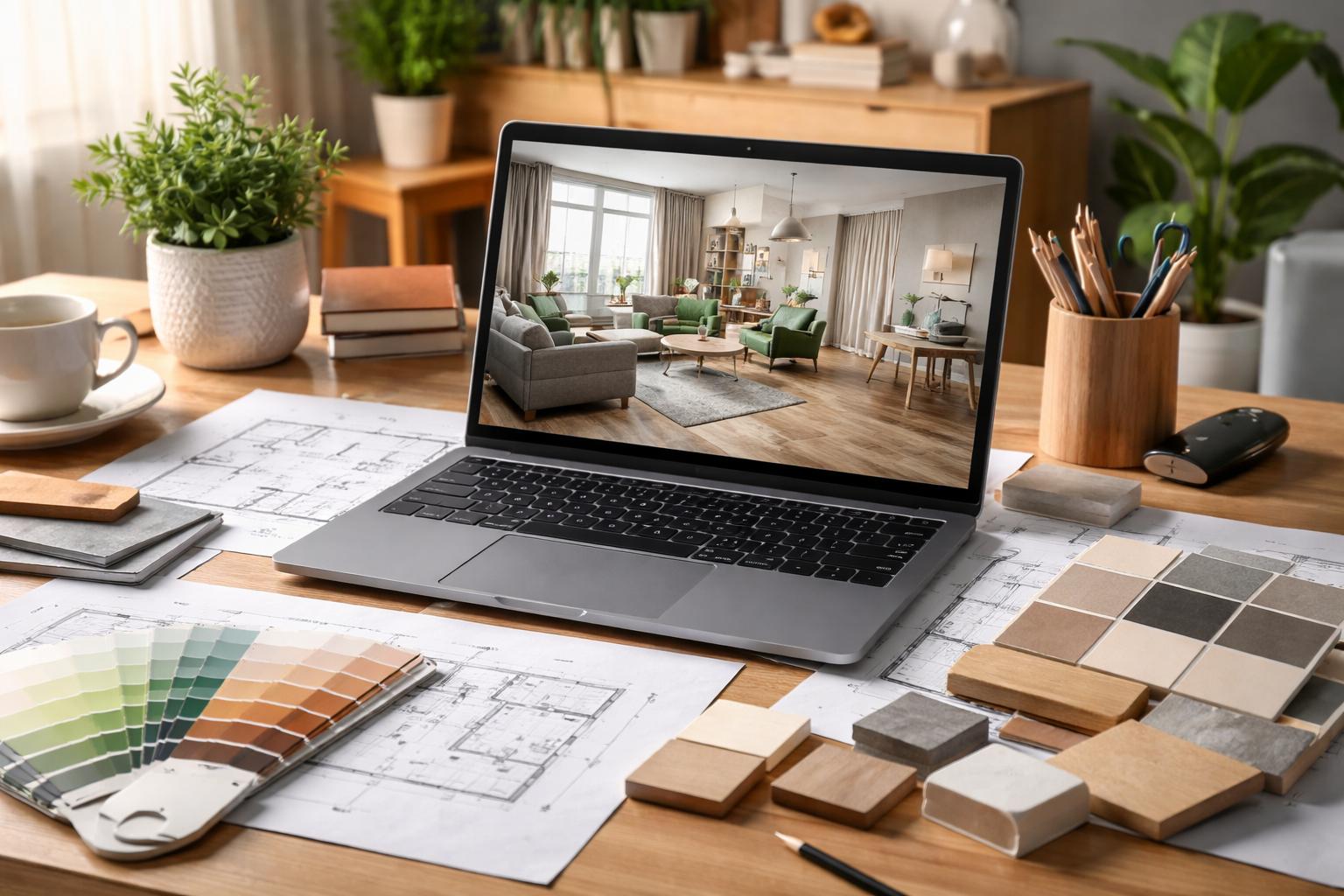
It is easy to like a paint color or furniture piece in a showroom and find that it clashes at home. Make a simple plan first: photograph your living room in daylight, note the furniture you intend to keep, measure the key walls and walkways, and set a maximum spend for each update.
You can use the HouseGPTs AI interior designer to explore styles using a photo of your room. Treat the results as inspiration, then verify measurements and costs before buying. The tool’s page describes a photo-based room redesign process and offers limited free designs. For more ways to experiment, read this guide to interior design ideas with a free AI tool.
A Simple Living Room Makeover Budget
You can combine a few updates without buying everything at once. Here is an illustrative $150 plan; local prices and what you already own will change the total.
Update | Example budget |
|---|---|
Rearrange furniture and declutter | $0 |
Paint or removable color accent | $45 |
Cushion covers and a throw | $45 |
Secondhand lamp or lighting update | $35 |
Frames or a storage basket | $25 |
Total | $150 |
If your budget is smaller, start with the free layout change and choose only one paid update. If your sofa is worn but still comfortable, try a deep clean and fresh textiles before deciding whether to replace it.
Start With One Change
The best 7 Budget-Friendly Living Room Makeover Ideas solve a real problem in your room. If it feels cramped, begin with the layout. If it feels cold, adjust lighting and textiles. If it feels unfinished, add one focal point. When you are ready to explore possible directions for your own space, visit HouseGPTs and build a plan around what you can comfortably afford.
Ready for Your Own AI Redesign?
Start Designing with AI →FAQs about 7 Budget-Friendly Living Room Makeover Ideas That Look Expensive
Everything you need to know
How can I make my living room look better with no money?
Rearrange furniture, clear visual clutter, clean upholstery, move lamps to where they are useful, and restyle items you already own. Take a photo after each change so you can compare what improved the room.
What is the cheapest living room update with the biggest impact?
A better layout costs nothing and can have an immediate effect. If you want to spend a little, changing the lighting or adding cushion covers can give the room a different feel without a major purchase.
How do I update a small living room on a budget?
Keep walkways open, choose furniture that fits the room, and use vertical storage where practical. Measure before buying a rug, side table, or storage piece.
Should I follow trends when decorating on a budget?
Use trends for inspiration, especially on low-cost items you can change easily. For larger purchases, choose pieces that suit your space and that you expect to enjoy for years.